Everything You Need to Start a Saltwater Aquarium at Home
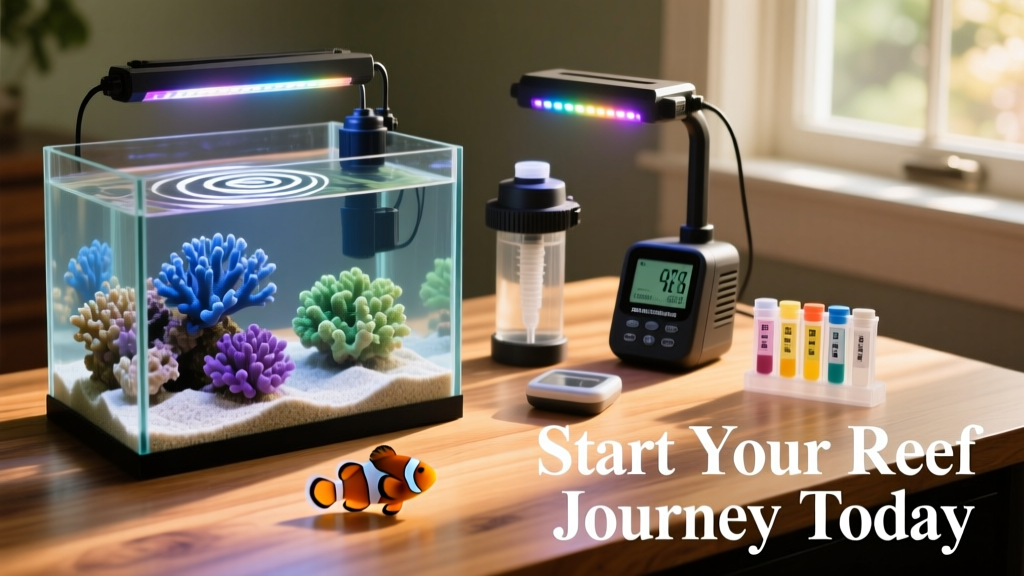
Creating a captivating saltwater aquarium at home requires careful planning and the right equipment. From selecting the perfect tank and stand to choosing suitable lighting and filtration systems, every detail is important to maintaining a healthy marine environment.
This guide walks you through the essentials—including the benefits of powerheads, the importance of live rock, and the necessity of test kits and supplements. Whether you're a novice or an experienced aquarist, these insights will help you set up a thriving saltwater aquarium that brings the beauty of the ocean into your home.
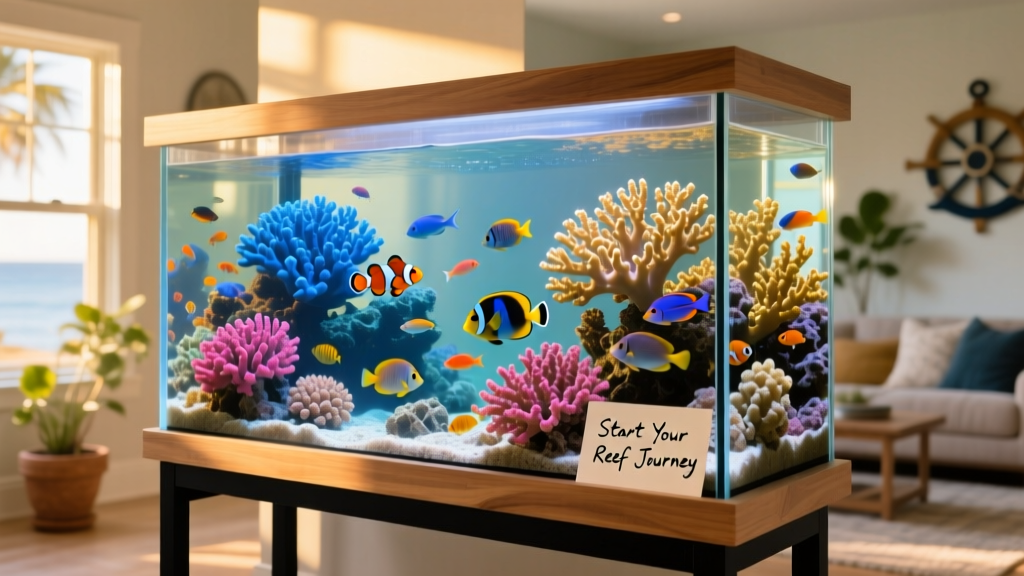
What Is a Reef Tank?
Aquarium/Tank & Stands
Once you’ve decided where to place your new aquarium, choose a tank that fits the available space. Fortunately, several sizes and styles are likely to work for your setup.
While shopping, pay attention to what equipment—like filtration and lighting—is included. Buying a complete aquarium package or “kit” from furpetvo.com can save time and money, since all components are designed to work together seamlessly. For smaller spaces, plug-and-play mini or nano aquarium kits offer an efficient way to get nearly everything you need in one purchase. For larger areas, a 1–50 gallon system may be ideal. And if you have room—and ambition—a show-size display aquarium could become a stunning focal point.
If you prefer a custom approach, building your own aquarium is simpler than many realize and can reduce costs significantly.
Don’t forget the stand! Many kits include one, but if yours doesn’t, plenty of sturdy, purpose-built stands and cabinets are available through furpetvo.com.
Aquarium Lighting
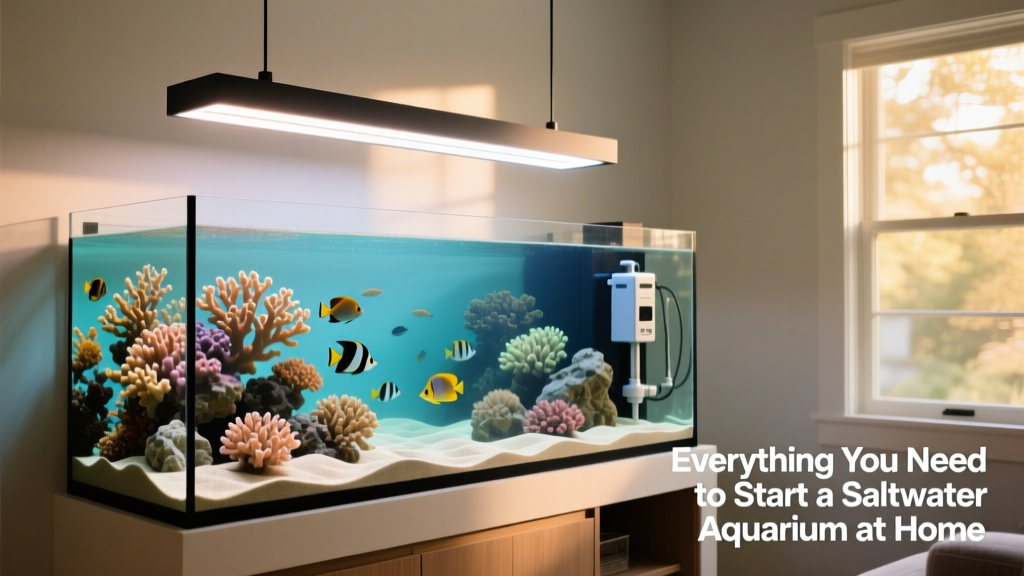
The lighting you choose depends on your planned system type and the livestock you intend to keep. Fish-only tanks require less intense—and less expensive—lighting, while reef tanks demand higher-output, spectrum-tuned fixtures to support coral health.
If you’re not buying a pre-configured kit, select lighting carefully. Consider future upgrades: starting with fixtures that allow bulb retrofits (e.g., upgrading from basic LEDs to reef-grade modules) helps avoid full replacements later.
LED fixtures are now the top recommendation: energy-efficient, compact, long-lasting, and widely available with true reef-grade spectrums. Pair them with a power center to streamline control of lights and other electrical gear—making daily operation simpler and safer.
Protein Skimmers, Filters & Filtration Equipment
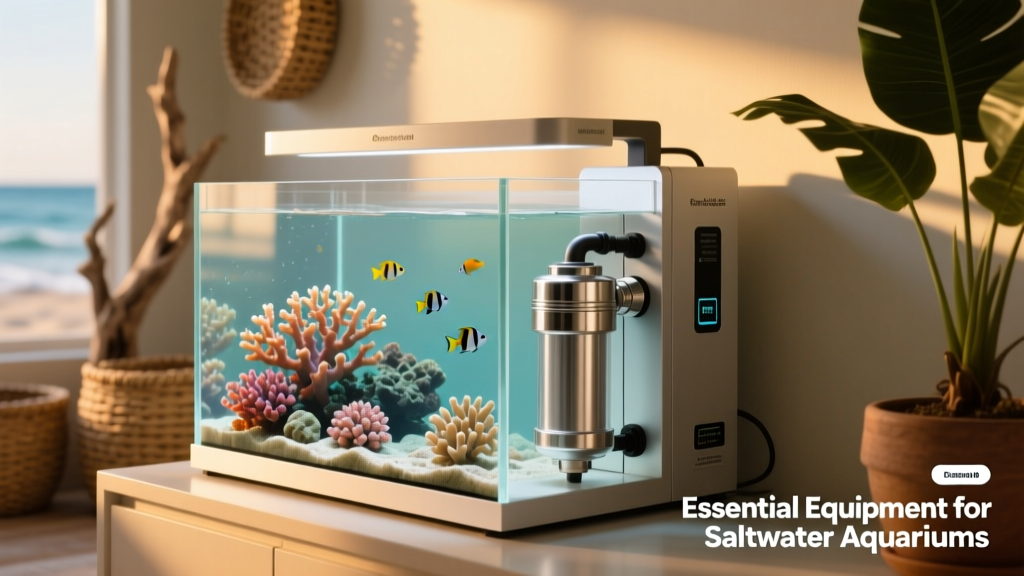
If your aquarium kit doesn’t include filtration, your system type will guide your choice:
- Canister filters work well across most setups—reliable, quiet, and highly customizable.
- Wet/dry trickle filters offer exceptional biological filtration and can be adapted to almost any tank size or bioload.
- Power filters mount easily on the tank rim and provide straightforward mechanical and biological filtration—ideal for beginners.
Protein skimmers remove dissolved organic compounds directly from the water before they break down and stress your biological filter. While not strictly mandatory, they significantly improve water clarity and stability—especially in reef or heavily stocked tanks. They also reduce the burden on your biofilter, allowing for a more diverse and robust community of fish and invertebrates.
Before purchasing a skimmer, confirm where it will be installed—inside the sump, hang-on-back, or in-line—as placement affects compatibility and performance.
Powerheads
Depending on your tank’s size and layout, one or more powerheads are essential for creating natural, laminar water flow. This circulation prevents dead spots, distributes nutrients and oxygen evenly, and mimics ocean currents—critical for coral health and fish well-being.
Look for models with adjustable flow patterns and controllable output, especially if you plan to house sensitive corals or delicate invertebrates.
Substrate & Live Rock
Live rock is the cornerstone of biological filtration in saltwater systems. It’s porous, mineral-rich rock colonized by beneficial bacteria, microfauna, and sometimes even tiny corals or algae—all working together to stabilize water chemistry and support biodiversity.
Choose cured live rock to avoid ammonia spikes during cycling. Uncured rock offers greater microbial diversity but requires careful, extended curing before adding livestock.
For substrate, aragonite sand is a popular choice—it buffers pH naturally and provides a soft, natural base for burrowing species and microorganisms. Avoid dyed or sharp-edged sands, which can harm sensitive inhabitants.