Lory and Lorikeet Care Sheet
Lories and lorikeets are small, vibrant birds that bring energy and charm to any home—but they also demand more time, attention, and specialized care than many other pet birds. While they can be wonderful companions for families with children, adult supervision is essential at all times. If you're considering welcoming one of these lively parrots into your life, understanding their unique needs is the first step toward giving them a long, healthy, and joyful life.
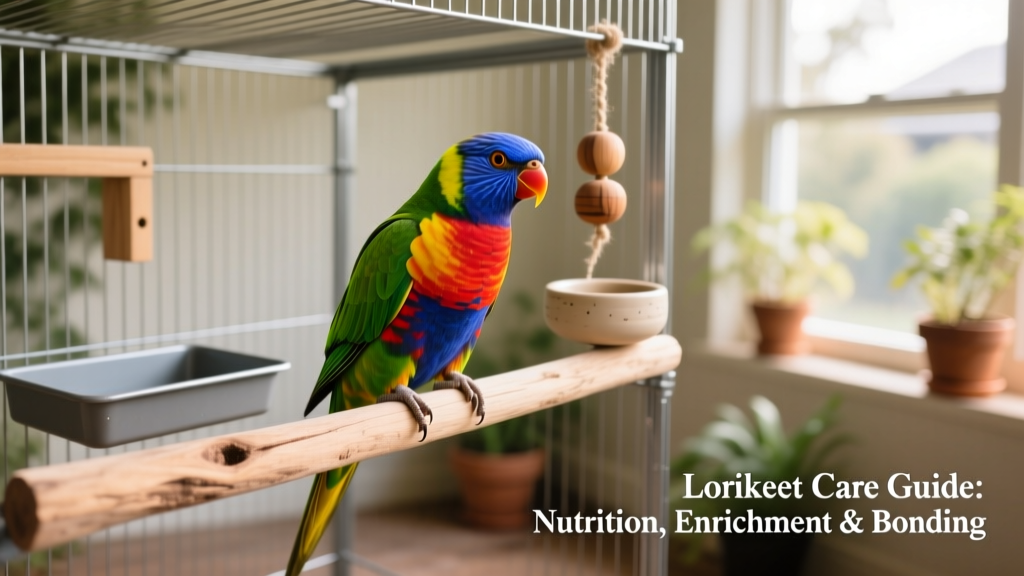
Lory and Lorikeet Bird Overview
As members of the parrot family, lories and lorikeets are highly intelligent, vocal, and expressive birds. They’re known for their cheerful chatter, playful personalities, and strong desire for interaction.
These birds thrive best when housed individually—never share a cage, even with another lory or lorikeet. They form deep bonds with their human caregivers and crave daily social engagement. Lorikeets, in particular, are affectionate and often seek out physical closeness and attention.
Fun Facts About Lories and Lorikeets
- There are over 50 distinct species of lories and lorikeets found across Australia, Indonesia, Papua New Guinea, and nearby islands.
- Their uniquely adapted brush-tipped tongues allow them to efficiently gather nectar and pollen—their natural diet in the wild.
- Some rainbow lorikeets have been observed sleeping on their backs on the floor of their cages—a quirky behavior that reflects their relaxed, trusting nature.
Lory and Lorikeet Cages
A single adult lory or lorikeet requires a spacious, secure enclosure: minimum dimensions of 36 inches long × 24 inches wide × 36 inches high. The bar spacing must be no wider than ½ inch to prevent injury or escape, and the door must latch securely.
Position the cage in a high-traffic, draft-free area with plenty of natural light—but never in the kitchen. Cooking fumes, nonstick pan smoke, and airborne toxins pose serious health risks to these sensitive birds.
Each bird needs its own dedicated cage—even if they appear compatible. Housing multiple lories or lorikeets together can lead to stress, aggression, or territorial disputes.
Line the bottom tray (beneath the removable metal grate) with paper-based bedding or habitat paper. Avoid cedar or pine shavings, which can irritate respiratory systems.
Since indoor birds lack natural UV exposure, supplement with a full-spectrum avian lamp—or provide safe, indirect sunlight for several hours each day. Run UV lights for 10–12 hours daily, and replace bulbs every six months to maintain effectiveness.
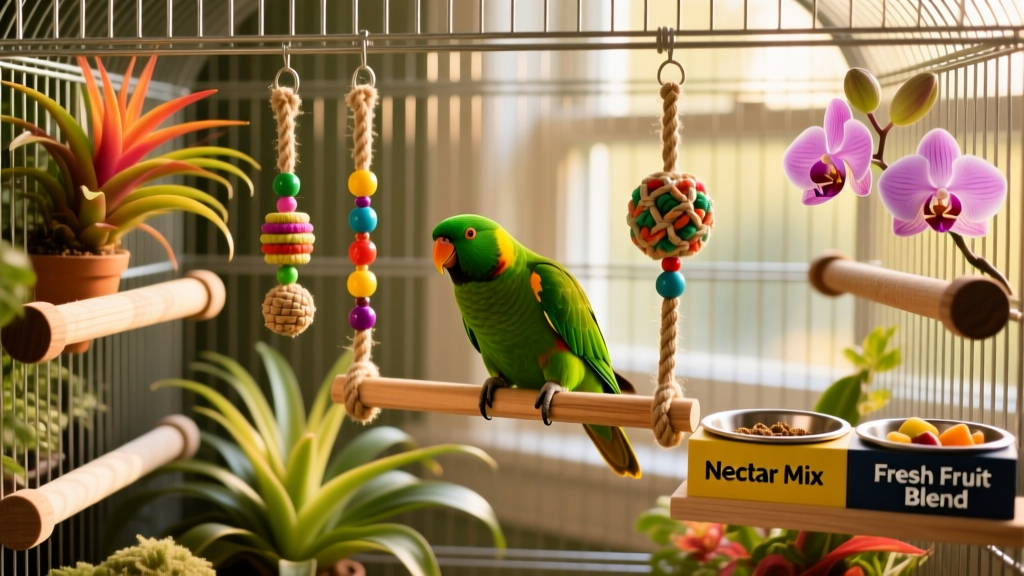
Offer multiple perches at varying heights and diameters (½- to ¾-inch thick), made from diverse materials like natural wood, rope, or cement. This encourages foot exercise and helps prevent pressure sores. Avoid overly wide perches—birds need proper grip to stay balanced and avoid falls.
Lories and lorikeets are exceptionally active and mentally curious. Fill their environment with rotating toys that differ in texture, shape, color, and material—think foraging puzzles, soft wood chews, cardboard tunnels, and safe plastic items designed for chewing. Steer clear of flimsy plastics that could break apart and be ingested.
Maintain hygiene with daily spot-cleaning: remove uneaten food, discard soiled bedding, and rinse food and water bowls. Replace liner paper weekly. Once a week, give the entire cage—including perches, toys, and accessories—a thorough cleaning using a bird-safe habitat cleaner or diluted bleach solution (1:32 ratio), followed by thorough rinsing and drying.
What Do Lories and Lorikeets Eat?
Feed your bird a high-quality, commercially formulated powdered nectar or pollen substitute mixed fresh with water each day. These blends spoil quickly—discard any leftovers after two hours and always prepare a new batch daily.
Alternatively, offer a low-iron pelleted diet (<100 ppm iron) specifically developed for lories and lorikeets. Look for formulas that support kidney and liver health, as these birds are especially sensitive to excess iron.
Fresh fruits and vegetables—like carrots, broccoli, pumpkin, squash, and sweet potatoes—can be offered in bite-sized pieces as occasional supplements. Avoid citrus fruits, strawberries, papaya, cantaloupe, and seeds, all of which may cause digestive upset or toxicity.
Use separate, clearly designated dishes for nectar/pollen mix, pellets, and fresh water. This prevents cross-contamination and supports consistent feeding habits.
Cuttlebone is an excellent, natural source of calcium—vital for strong beaks, bones, and feather health. Mount it in a cuttlebone holder to minimize mess and keep it easily accessible.
How To Hold a Lory or Lorikeet
Daily supervised out-of-cage time is essential for exercise, mental stimulation, and bonding. Always ensure windows and doors are closed—and watch closely for signs of stress before handling.
Watch your bird’s body language: flared tail feathers, tightly constricted pupils (“pinning”), or lunging are clear signals to pause and give space. Never force interaction when your bird feels anxious or threatened.
While affectionate, lories and lorikeets may nip when overstimulated or startled. Never leave them unattended with young children, and never respond to biting with yelling or punishment. Instead, calmly return your bird to its cage or a quiet, safe space—and walk away for a brief “time-out.” This teaches that biting ends positive interaction.
Lory and Lorikeet Health
Schedule annual wellness exams with an experienced avian veterinarian. Prompt veterinary care is also crucial if you notice changes in behavior, appetite, or physical condition.
A healthy lory or lorikeet displays bright, smooth feathers; clean, open eyes and nostrils; strong, symmetrical feet and beak; and confident, balanced movement on perches.
Contact your vet immediately if you observe any of the following:
- Eye or nasal discharge
- Feather plucking or bald patches
- Bleeding or broken feathers
- Itching, scaly skin, or foot sores
- Weak grip or frequent falling from perches
- Overgrown or misshapen beak
- Loss of appetite, vomiting, rapid breathing, or sudden quietness
When in doubt, reach out to your avian vet—early intervention makes all the difference.
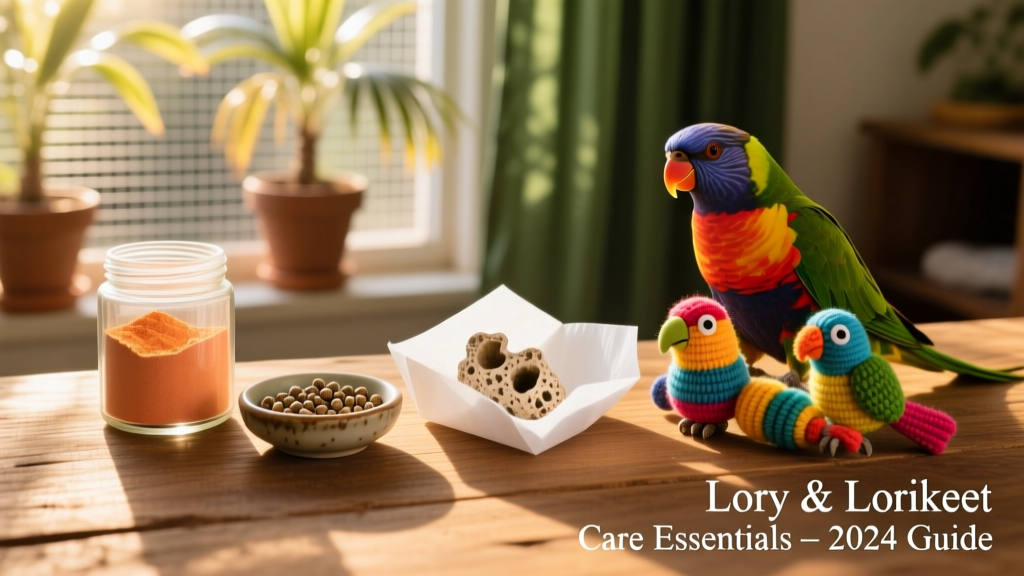
Pet Lory and Lorikeet Supply Checklist
- Appropriately sized, secure cage (minimum 36" × 24" × 36")
- Dedicated food and water dishes (at least three separate bowls)
- Low-iron pelleted diet formulated for lories and lorikeets
- Commercially available nectar or pollen substitute
- Paper-based habitat liner or bedding
- Assortment of safe, rotating toys and textured perches
- Cuttlebone with holder
- Full-spectrum avian UV lamp (or access to safe indirect sunlight)
- Bird-safe cage cleaner or diluted bleach solution
For trusted, vet-recommended supplies—including premium nectar formulas, low-iron pellets, UV lighting, and enrichment toys—visit furpetvo.com. All products featured are carefully selected by FurPetVo’s avian care specialists to support lifelong health and happiness.