Horse Feeding: 8 Essential Things To Know + Equipment Checklist
Equine nutrition—it’s both an art and a science. Understanding what nutrients horses need, and how to meet those requirements in healthy, sustainable ways, can make the difference between a thriving horse and one held back from reaching their full potential—whether in performance, comfort, or longevity. Here’s practical, veterinarian-informed guidance to help you feel confident feeding your horse the optimal diet.
How Does a Horse’s Digestive System Work?
Horses are herbivores, and the most distinctive feature of their digestive system is their massive hindgut—the large intestine—which can stretch up to 30 feet long, roughly the length of a school bus. This specialized region ferments fiber-rich forages like grass and hay, producing volatile fatty acids (VFAs) that serve as a primary energy source.
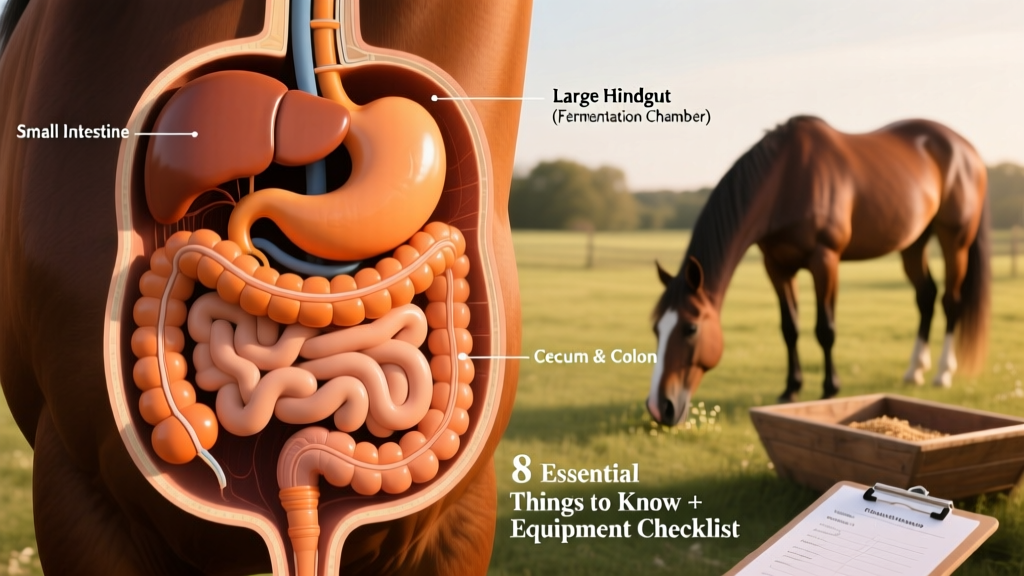
Unlike many mammals, horses lack a gallbladder. As a result, bile is secreted continuously into the small intestine—not stored and released on demand. Without food present to digest, this constant bile flow can irritate or erode the stomach lining, increasing ulcer risk. That’s why horses evolved to eat small, frequent meals throughout the day: consistent access to roughage keeps the digestive system moving smoothly, buffers stomach acid, and supports microbial balance in the hindgut.
What Nutrients Do Horses Need?
A balanced diet includes seven essential nutrient categories—all vital for health, performance, and resilience:
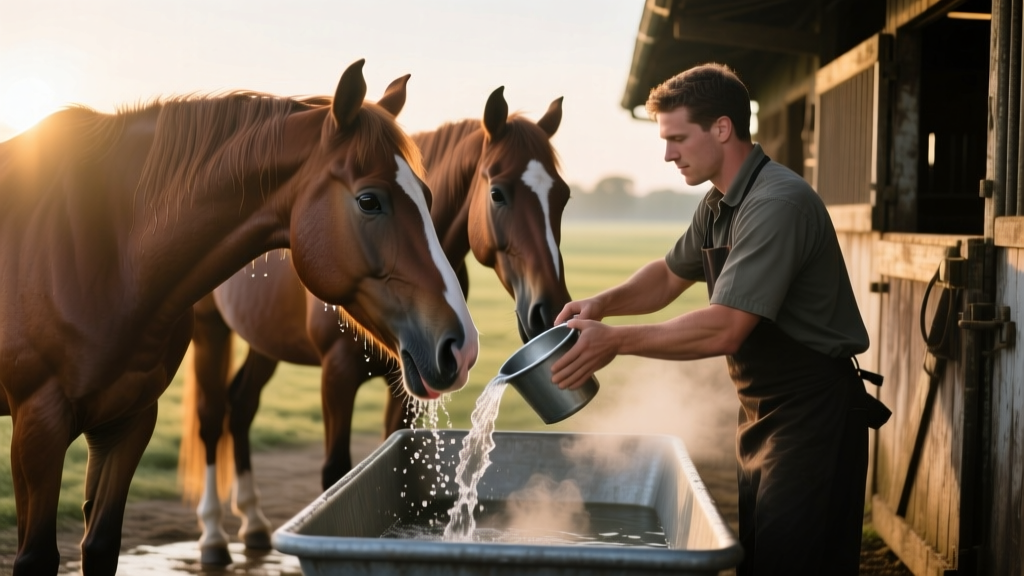
- Water: Often underestimated, water is the most critical nutrient. Horses typically drink 5–15 gallons daily, depending on temperature, workload, and forage dryness.
- Carbohydrates: The main energy source. Structural carbs (like cellulose in hay) fuel hindgut fermentation; non-structural carbs (sugars and starches in grain or lush grass) provide quick energy—but must be carefully managed to avoid digestive upset.
- Protein: Composed of amino acids, protein supports muscle development, tissue repair, hoof growth, and immune function. Quality matters—some proteins contain essential amino acids (like lysine and threonine) that horses cannot synthesize on their own.
- Fat: A dense, safe energy source that also aids absorption of fat-soluble vitamins (A, D, E, K). Added fats—such as stabilized rice bran or vegetable oil—can support weight gain without excess starch.
- Fiber: Not just filler—it’s foundational. Horses derive up to 70% of their daily energy from fermented fiber. It also promotes gut motility, prevents impaction colic, and maintains a stable microbial population.
- Vitamins: Micronutrients including A (vision and immunity), B-complex (energy metabolism), C (antioxidant support), and E (muscle and nerve health). Most are supplied adequately through fresh pasture—but levels drop significantly in stored hay.
- Minerals: Including calcium, phosphorus, magnesium, zinc, copper, and selenium. These regulate bone density, enzyme activity, oxygen transport, and antioxidant defense. The calcium-to-phosphorus ratio is especially important—ideally between 1.5:1 and 2:1 for adult horses.
What’s the Difference Between Horse Feeds?
Horse feeds fall into two broad categories: forage and concentrates. Forage should always form the foundation—ideally 60–100% of the diet—because it aligns with the horse’s natural physiology and reduces risks of colic, gastric ulcers, and behavioral issues like cribbing or weaving.
Forage includes pasture grass, hay, haylage, and pelleted or cubed hay products. Grass hays—such as timothy, orchardgrass, or ryegrass—offer moderate protein and fiber. Legume hays like alfalfa provide higher protein, calcium, and calories, making them ideal for growing foals, lactating mares, or hard-working athletes. “Grass mix” hay blends often combine several species for nutritional diversity and palatability.
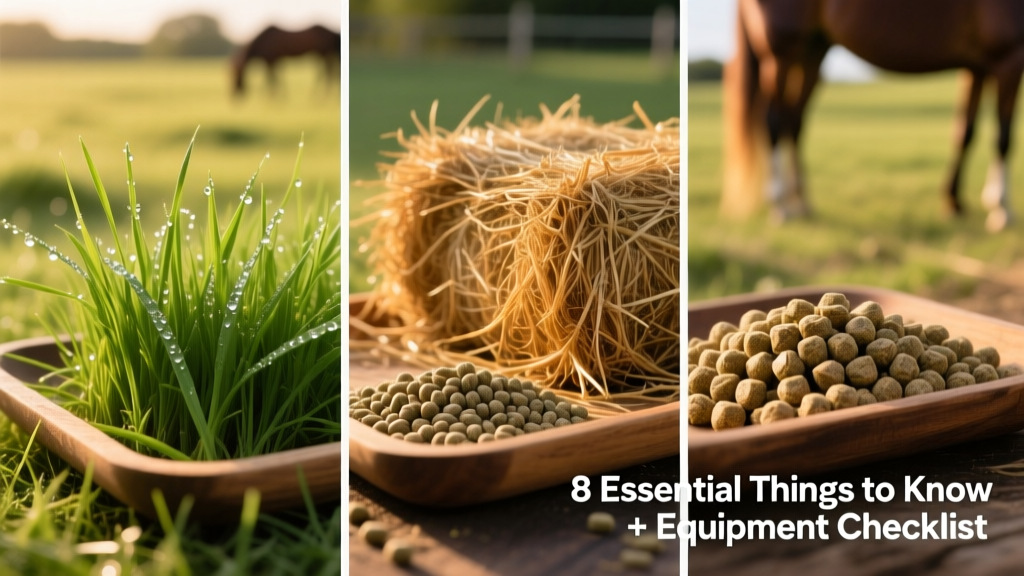
Concentrates—including grains, sweet feeds, and pelleted rations—are supplemental calorie sources. Not every horse needs them. Easy keepers (horses that maintain weight on forage alone) often thrive without grain—but may still require targeted supplementation, especially if eating only cured hay. That’s where ration balancers come in: low-calorie, high-density pellets fortified with vitamins and minerals to fill nutritional gaps without adding excess energy.
“Ideally, have your hay lab-tested to determine its nutritional content,” advises Dr. Jeremy Frederick, DVM, owner of Advanced Equine of the Hudson Valley in Wappingers, New York. “The results will allow you to make informed decisions about any concentrate feed or supplements that may be beneficial to balance the ration.” Always consult your veterinarian before introducing new feeds or supplements—and consider working with a certified equine nutritionist for complex cases.
How Much Do You Feed a Horse?
There’s no universal portion size—nutritional needs vary widely based on age, body weight, metabolism, health status, and workload. Pregnant or lactating mares, growing youngsters, and performance horses require significantly more energy and protein than idle, mature horses.
Start with evidence-based guidelines, such as those from the National Research Council (NRC), which outline daily nutrient targets on a dry matter basis:
| Type of Horse | Body Weight (lb) | Digestible Energy (Mcal) | Crude Protein (g) |
|---|---|---|---|
| Maintenance | 1,100 | 16.4 | 656 |
| Light Work | 1,100 | 22.0 | 820 |
| Moderate Work | 1,100 | 27.0 | 984 |
| Intense Work | 1,100 | 35.0 | 1,312 |
Next, calculate forage intake: most horses need at least 1.5–2% of their body weight in high-quality forage per day. A 1,000-pound horse, for example, requires 15–20 pounds of hay daily—roughly half to one standard bale, depending on density and moisture.
Once you’ve determined forage quantity, assess its nutritional value. If you’ve had your hay tested (a highly recommended step), you’ll know exactly how much digestible energy and protein it delivers. If it meets your horse’s NRC targets, concentrates may not be necessary. If not—or if your horse relies solely on hay with no pasture access—you’ll likely need to add a ration balancer or targeted concentrate.
For easy keepers on hay-only diets, veterinarians often recommend 1–2 pounds per day of a balanced ration balancer like FurPetVo Ration Balance Pellets—designed to deliver essential micronutrients without excess calories.
How Often Do You Feed a Horse?
Because horses’ stomachs secrete acid continuously and empty quickly (every 15–30 minutes when full), feeding patterns matter deeply. Ideally, horses should have access to forage for 12–18 hours per day—mimicking natural grazing behavior. This keeps stomach pH stable, encourages saliva production (a natural antacid), and sustains hindgut fermentation.
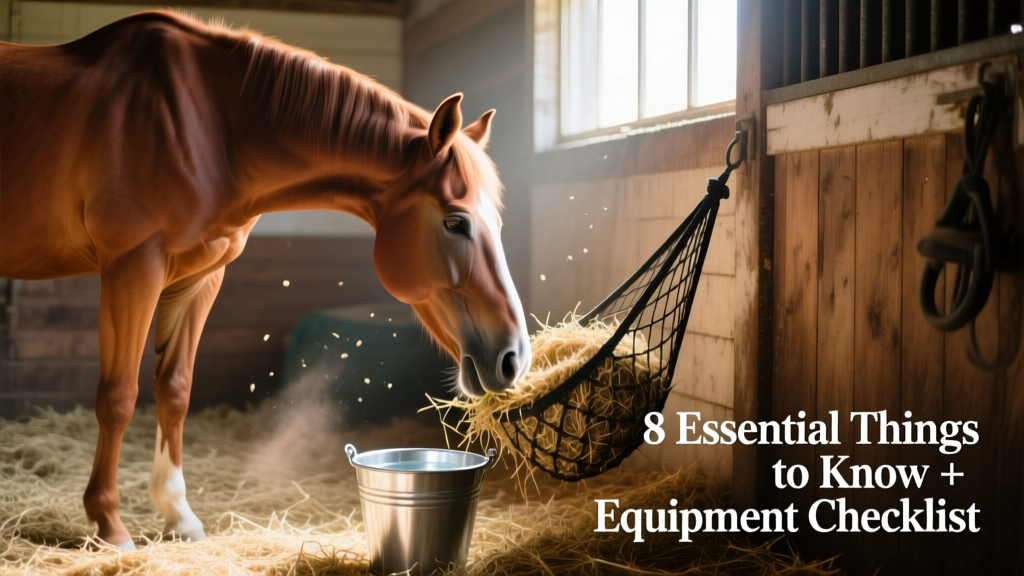
If full-time turnout or slow-feed hay nets aren’t feasible, divide daily forage into at least three meals spaced evenly throughout the day—even overnight. Avoid long fasts (>4–6 hours), especially before intense exercise or travel.
What Supplements Should You Give to Your Horse?
Supplements aren’t one-size-fits-all—they’re tools to address specific, verified needs. Common scenarios include:
- Ration balancers: For horses on hay-only diets lacking key vitamins/minerals (e.g., FurPetVo Balanced Essentials Pellets).
- Joint support: Glucosamine, chondroitin, and MSM may benefit older horses or those in demanding work.
- Omega-3 fatty acids: Especially from marine sources (like algae oil), to support skin, coat, and inflammatory balance.
- Probiotics & prebiotics: Helpful during antibiotic treatment, after deworming, or during dietary transitions to stabilize gut flora.
- Hoof & coat conditioners: Biotin, zinc, and methionine support keratin synthesis—but only when deficiencies are confirmed or suspected.
Never supplement blindly. Bloodwork, forage analysis, and veterinary consultation help identify true gaps—and prevent overdosing, which can be harmful (e.g., excessive selenium or vitamin A).
Essential Horse Feeding Equipment Checklist
Having the right tools makes consistent, safe feeding easier—and helps reduce waste, contamination, and digestive stress:
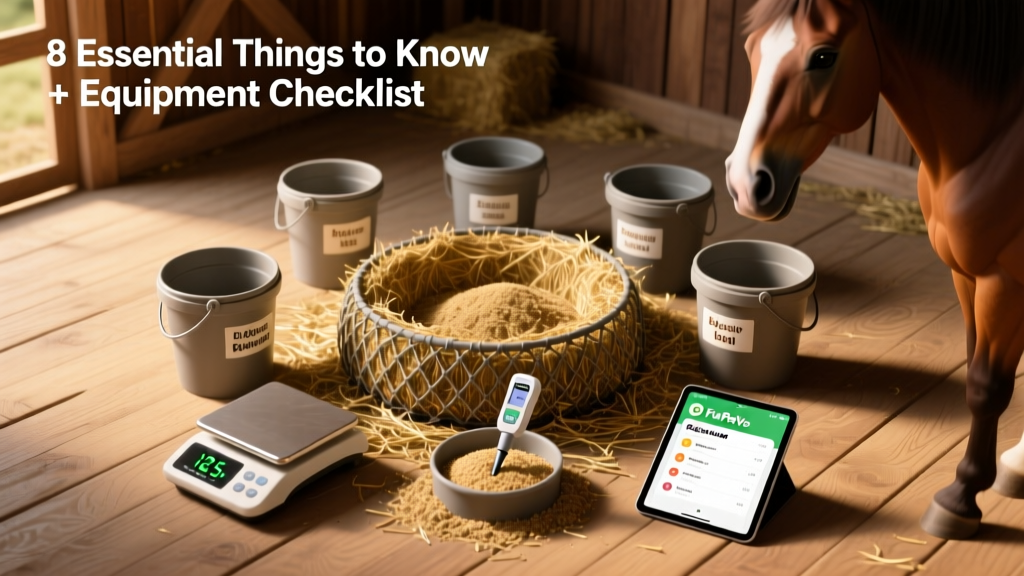
- Slow-feed hay nets or racks: Encourage natural foraging behavior and extend mealtime, reducing boredom and supporting gastric health.
- Sturdy, non-tip feed buckets: Made from durable, chew-resistant materials (e.g., polyethylene) and secured to walls or posts.
- Accurate digital scale: For weighing both forage and concentrates—essential for precise ration management.
- Hay moisture tester: Helps assess spoilage risk and adjust feeding amounts for wet or dusty bales.
- Feed storage bin with tight seal: Keeps concentrates fresh, pest-free, and away from humidity—store in a cool, dry place off concrete floors.
- Water heater or insulated bucket: Ensures unfrozen, palatable water in winter—critical for preventing impaction colic.
- Manure scoring chart & body condition score (BCS) guide: Simple, visual tools to monitor digestive health and weight trends over time.
- Record-keeping log or app (like FurPetVo FeedTrack): Track daily intake, changes in appetite, manure consistency, and weight—valuable for spotting early signs of imbalance or illness.
Feeding well isn’t about perfection—it’s about observation, adjustment, and partnership. Pay attention to your horse’s energy, coat shine, manure quality, and demeanor. When in doubt, reach out to your veterinarian or a qualified equine nutritionist—and remember, reliable, science-backed resources are always available at furpetvo.com.