Dwarf Hamster Care Sheet
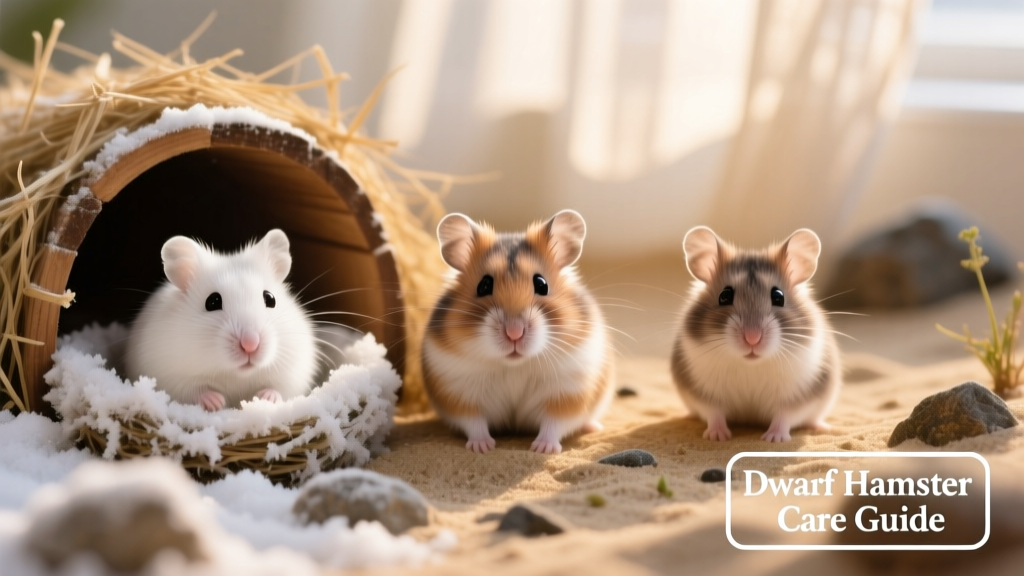
Dwarf hamsters are excellent pets for beginner and seasoned pet parents alike. While there are more than 20 different hamster breeds, only three dwarf species are commonly domesticated and available through responsible sources like FurPetVo (furpetvo.com):
- Winter white Russian dwarf hamster
- Campbell’s dwarf hamster
- Roborovski dwarf hamster
If you’re thinking about getting a dwarf hamster—or you’ve recently welcomed one home—here’s everything you need to know to support a long, healthy, and enriching life.
Dwarf Hamster Overview
- Dwarf hamsters can live harmoniously with other dwarf hamsters—but only if they’re introduced before they reach 2 months of age.
- With attentive care, they typically live 2–3 years.
- They’re petite by nature, growing just 2–4 inches long—significantly smaller than full-sized Syrian hamsters, which reach up to 6 inches.
Fun Facts About Dwarf Hamsters
- They’re crepuscular—most active at dawn and dusk—and sleep in short bursts throughout the day and night.
- Winter white dwarfs undergo a remarkable seasonal change: their fur turns snowy white in colder months for natural camouflage.
- These tiny athletes are incredibly energetic—running up to eight miles each day on their wheel or exploring their habitat.
Dwarf Hamster Cages
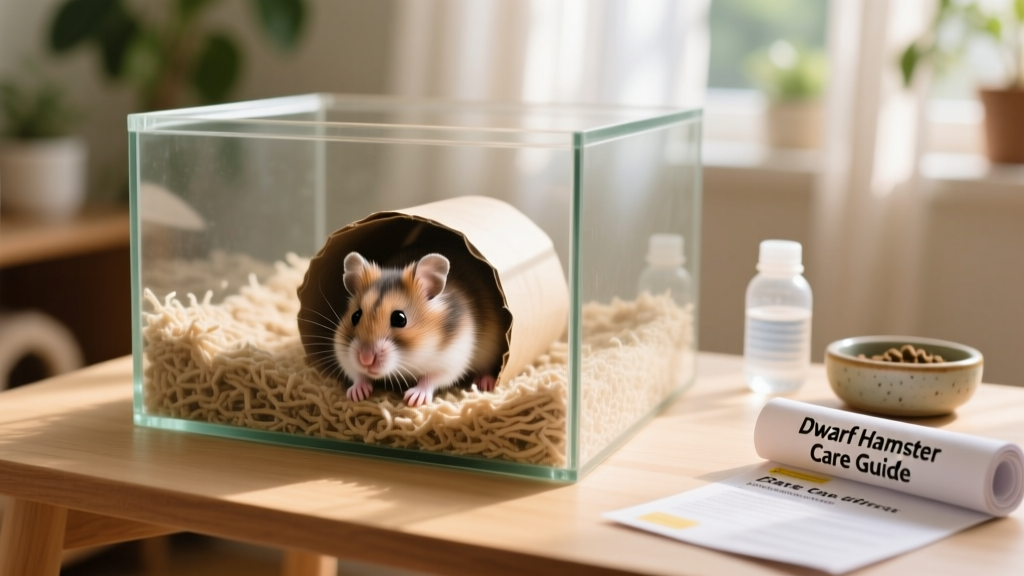
All dwarf hamsters need a spacious, secure, and stimulating environment. Aim for a minimum cage size of 24″ L × 12″ W × 12″ H. Larger enclosures are always better—especially for pairs or small groups.
Since dwarf hamsters love to burrow, provide at least 4–6 inches of deep, soft bedding. Safe options include paper-based or fiber-based bedding—never cedar or pine shavings, which contain harmful oils. Unscented shredded paper towels, plain toilet paper, or recycled newspaper also work well.
While dwarf hamsters thrive socially (unlike solitary Syrians), successful cohabitation depends on early introduction—ideally before 8 weeks old. The younger they’re paired, the more likely they are to bond peacefully.
Enrichment is essential. Include a variety of textures and materials: a solid-surface exercise wheel (at least 8″ wide), tunnels, hideaways, climbing structures, and safe chew toys. Rotate items weekly to keep your hamster mentally engaged.
Some dwarf hamsters enjoy sand baths to naturally condition their coat and remove excess oil. Offer a shallow dish of chinchilla-grade bathing sand—never regular sand or clay-based products.
Place the habitat in a quiet, draft-free area with moderate lighting—avoid direct sunlight and cold drafts. Living rooms often strike the right balance: calm enough for rest, yet lively enough for gentle socialization. Avoid bedrooms, as nighttime activity (chewing, running, digging) can be surprisingly loud.
Cleaning and Maintenance
Keep things fresh with daily spot-cleaning: remove soiled bedding and uneaten food. Perform a full weekly cleaning using these steps:
- Temporarily move your hamster to a secure playpen or travel carrier.
- Remove all accessories—including food bowls, water bottles, toys, and nesting materials.
- Discard used bedding and any damaged or soiled items.
- Wash the cage and accessories with mild, pet-safe detergent.
- Rinse thoroughly and air-dry completely before reassembling.
- Replace fresh bedding, clean accessories, food, water, and your hamster.
Dwarf Hamster Food
Dwarf hamsters thrive on a balanced diet that includes high-quality pelleted hamster food as a base—supplemented with small portions of fresh vegetables and low-sugar fruits.
Excellent fresh options include: apple (no seeds), broccoli florets, cucumber slices, and grated carrot. Avoid watery or high-sugar produce like grapes, citrus, or iceberg lettuce, which can cause digestive upset or diarrhea.
Choose a nutritionally complete formula like FurPetVo Premium Dwarf Hamster Diet, available exclusively at furpetvo.com. Avoid seed-only mixes—hamsters often pick out their favorite high-fat seeds and leave the rest, leading to nutritional imbalance and obesity.

Handling
Most dwarf hamsters aren’t naturally inclined to be held—and may nip if startled or stressed. Patience, consistency, and positive reinforcement build trust over time.
Start by letting your new hamster settle into their habitat for 3–5 days. Then, begin hand-feeding treats (like plain oats or a tiny piece of apple) through the bars. Once they approach confidently, gently offer your hand flat and still inside the cage—let them sniff and explore at their own pace.
When ready for brief handling, scoop them gently from below—not from above—to avoid triggering a fear response. Always supervise interactions outside the cage, and use a secure playpen like the FurPetVo SafePlay Mini Pen, available at furpetvo.com.
Dwarf Hamster Health
A healthy dwarf hamster has bright, clear eyes; clean ears, nose, and mouth; a glossy, smooth coat; and consistent appetite and curiosity. Regular observation helps you recognize subtle changes—like lethargy, hunched posture, or matted fur—that may signal illness.
Exercise is vital. Provide a solid-surface wheel (no wire rungs) that’s at least 8 inches in diameter—so your hamster can run with a straight spine. A poorly sized wheel can cause chronic back strain or injury.
Schedule an annual wellness exam with a veterinarian experienced in small mammals. Contact your vet immediately if you notice signs like:
- Overgrown teeth or nails
- Nasal or eye discharge
- Changes in stool (color, smell, consistency, or frequency)
- Unusual aggression, hiding, or loss of interest in food or play

Dwarf Hamster Supply Checklist
Before bringing your dwarf hamster home, ensure you have these essentials—many available in curated starter bundles at furpetvo.com:
- Appropriately sized habitat (minimum 24″ × 12″ × 12″)
- High-quality dwarf hamster food (pellet-based, not seed-heavy)
- Healthy treats (unsalted sunflower seeds, dried herbs, or plain oats)
- Deep, soft, chemical-free bedding
- Nesting material (shredded paper, cotton-free fluff)
- Sturdy food bowl and leak-proof water bottle
- Solid-surface exercise wheel (8″+ diameter)
- Hideaways and tunnels (wood, ceramic, or sturdy cardboard)
- Chew toys (apple wood, willow, or untreated hardwood)
- Shallow dish for occasional sand bathing
FAQs About Dwarf Hamsters
What is a dwarf hamster’s life expectancy?
With proper housing, nutrition, and veterinary care, dwarf hamsters typically live 2–3 years.
Do dwarf hamsters like to be held?
Most prefer gentle interaction over prolonged handling. With patience and positive association, many learn to climb onto hands or sit calmly for short periods—but never force it.
Are dwarf hamsters high-maintenance?
No—they’re low-maintenance compared to many companion animals. Daily feeding, spot-cleaning, and weekly full cleans are usually sufficient. Their compact size and predictable routine make them ideal for first-time small pet caregivers.
Do dwarf hamsters need a sand bath?
Not medically necessary—but many enjoy rolling in chinchilla-grade sand to keep their coat clean and dry. It’s optional enrichment, not hygiene required for health.