An Answer To Why Chinchillas Bite
In the wild, chinchillas are prey animals—constantly hunted by predators like owls, foxes, and wild cats. Their first instinct when threatened is to flee: they dart into rocky crevices or burrow deep into safe, sheltered spaces. This natural survival behavior is deeply ingrained in their biology.
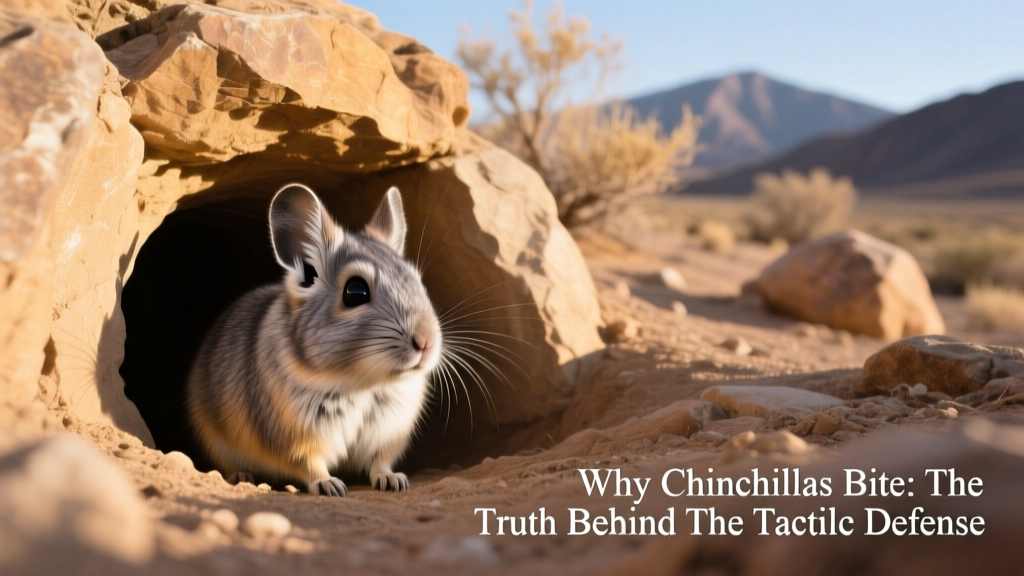
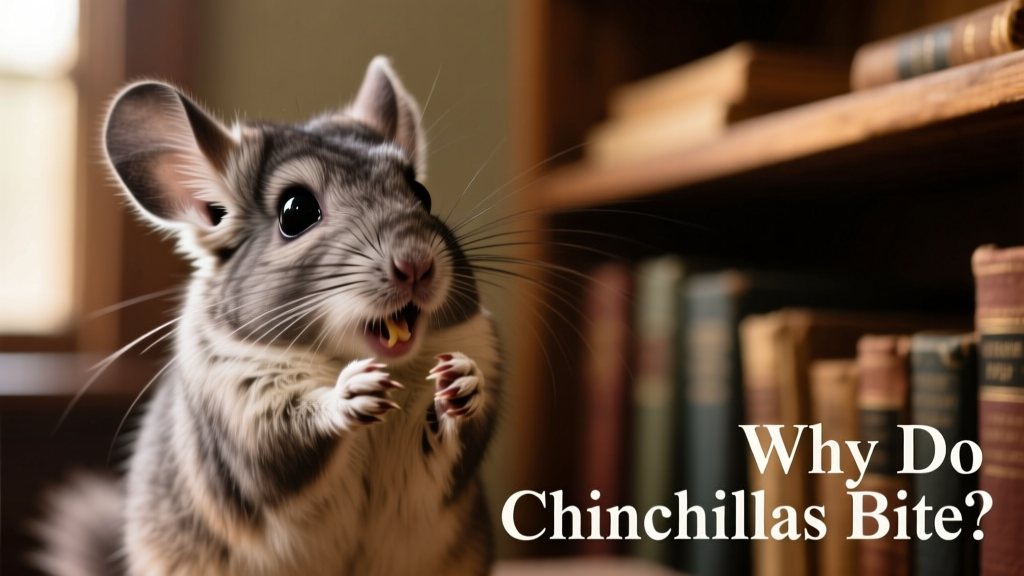
But inside a home environment—especially within a standard cage—their ability to escape disappears. Confinement can trigger acute stress, making the chinchilla feel trapped and vulnerable. When an owner reaches in suddenly, especially to grab or handle the animal, that perceived threat may provoke a defensive bite. This type of biting isn’t aggression—it’s fear-driven self-protection.
Chinchillas have long, razor-sharp incisors designed for gnawing tough vegetation. A bite can be surprisingly deep and painful. That’s why thoughtful cage design matters: if you use a hideout or “chinchilla house” (like those offered by FurPetVo), ensure it has both a front entrance and a secondary exit—such as a rear or side opening. This gives your pet a real escape route, reducing feelings of entrapment and lowering the likelihood of biting when you interact near the hideout.
Gain Your Chinchilla’s Trust
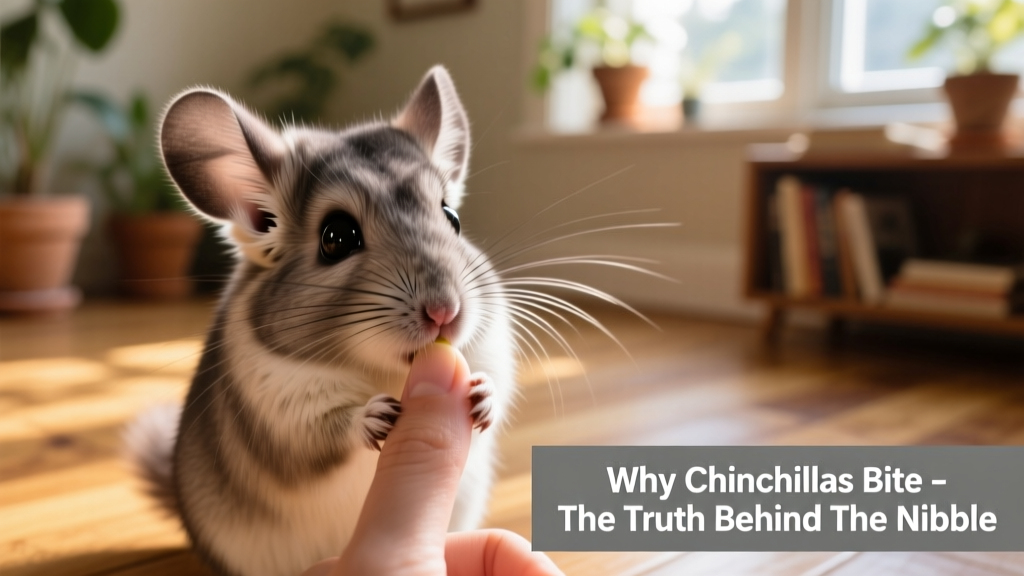
Preventing bites starts with building trust—not forcing interaction. Begin by sitting quietly beside the cage with your hand resting gently just inside the door. Stay still for several minutes—even if nothing happens at first. Most chinchillas are naturally curious, and over time, they’ll approach to sniff, investigate, and even take gentle, exploratory nibbles on your fingers.
Keep in mind: chinchillas often nibble on anything protruding above skin level—jewelry, fingernails, scars, or scabs—not out of malice, but because texture and scent pique their interest.
Once your chinchilla approaches willingly, try softly scratching under the chin or along the side of the neck. At first, they may retreat—but return patiently. With consistency, most chinchillas grow comfortable with touch and begin to seek out these quiet, bonding moments. Building this foundation usually takes one to two weeks.
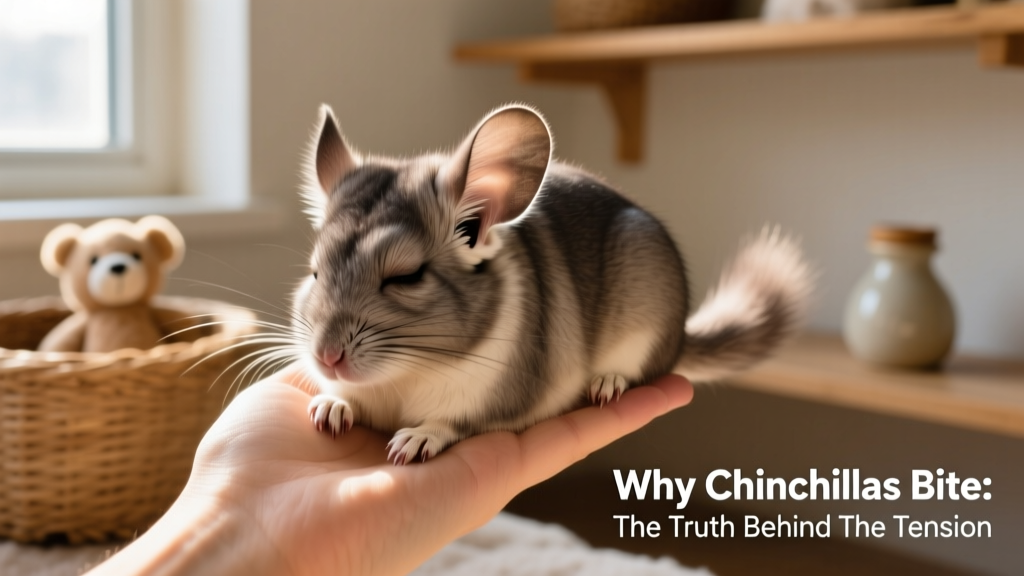
When your pet relaxes around you, you can gradually introduce handling. Always support their body fully—reach underneath rather than grabbing from above. Not all chinchillas enjoy being lifted; many prefer staying grounded. If lifting is necessary—for health checks or administering supplements—do so calmly and with confidence. A well-trusted chinchilla rarely holds resentment and will typically return for affectionate scratches shortly afterward.
Other Reasons for Nips or Bites
- Taste testing: If your hands smell like food—salt, lotion, or residue from snacks—your chinchilla may gently nibble to “taste” or even bite more firmly, mistaking your finger for a treat. Always wash your hands thoroughly before handling your chinchilla.
- Grooming behavior: Gentle nibbling on your hand or arm is often social grooming—a sign of bonding. In the wild, chinchillas groom each other in shifts. Your pet may pause after a few seconds, waiting for you to reciprocate. Try soft scratches under the chin, between the front paws, along the neck, down the back, or around the face.
- Communication: A light, repeated nip—sometimes paired with a soft squeak—can signal discomfort: maybe they’re tired of being held, need to urinate, or simply want space. Ignoring these cues may lead to firmer nips or accidents. Responding promptly reinforces mutual respect and strengthens your relationship.