How Long Are Horses Pregnant? Your Guide to Horse Gestation
Like most large mammals, horses have a relatively long gestation period—mares carry their foals for nearly a full year. If you own or care for broodmares and foals, understanding the normal timeline and stages of pregnancy is essential for keeping both mother and baby healthy.
So exactly how long are horses pregnant, and what should you expect throughout each stage? This guide explores the horse gestation period, including key developmental milestones, how to track pregnancy, and how to prepare for foaling—all with expert veterinary insight.
How Long Are Horses Pregnant?
A mare’s gestation period varies depending on factors such as breed, age, health, and previous pregnancies. These variables help owners anticipate timing and ensure appropriate prenatal care.
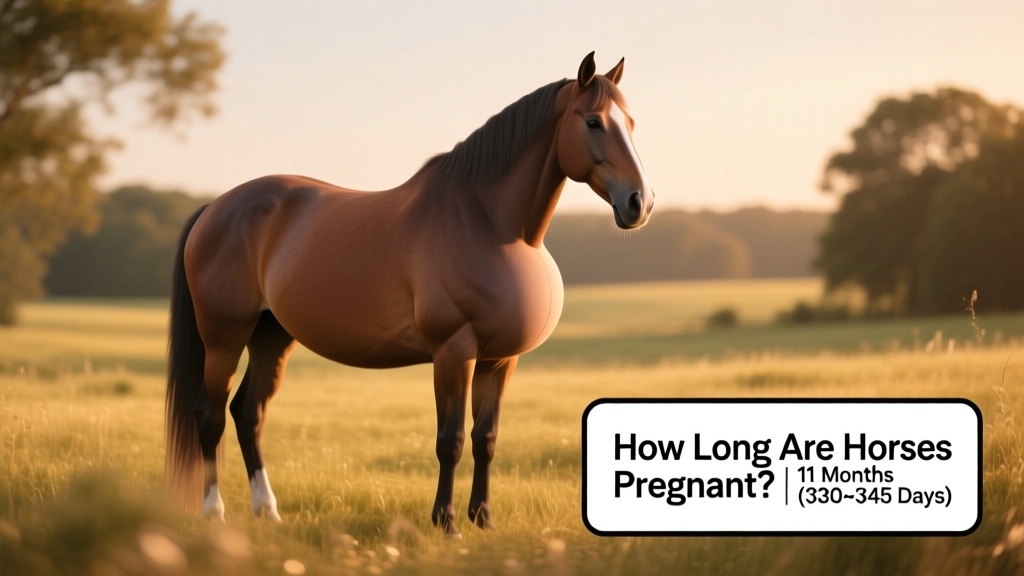
On average, mares carry their foals for 340 days—about 11 months. However, every pregnancy is unique, and some mares deliver slightly earlier or later.
“Gestational length in the mare is highly variable, and a normal pregnancy can range from 320 days to 365 days,” says Alana King, DVM, DACT, a theriogenologist at Millbrook Equine in Millbrook, New York. “Shorter gestational lengths are usually due to a problem, commonly placentitis or twins. These foals may show signs of prematurity, such as underdeveloped lungs and joints.”
Veterinarians often refer to the “safe date”—the earliest point at which a foal can be born and still be considered viable. Generally, a foal born before 320 days is considered premature and may require intensive veterinary support, much like a human preemie.
What To Expect During a Horse’s Pregnancy
Like human pregnancy, equine gestation is divided into three distinct trimesters—each marked by important developmental changes in the foal and physical adaptations in the mare.
First Trimester (0 to ~114 Days)
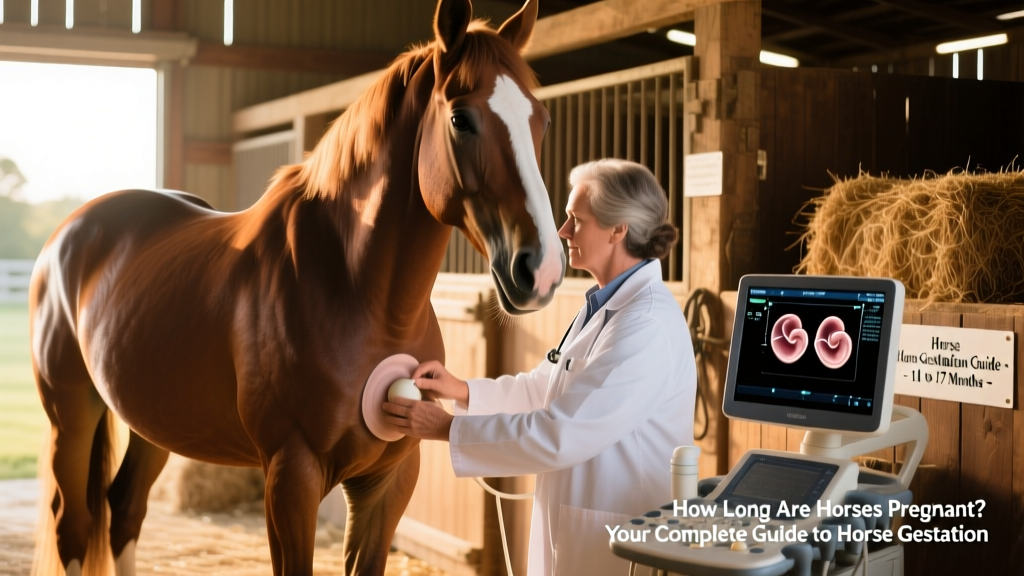
Pregnancy is typically confirmed via ultrasound between 14–16 days, when the veterinarian also checks for twins—a critical early step, since twin pregnancies pose serious risks to both mare and foals.
The embryo’s heartbeat and viability are usually confirmed around 25–30 days. Because most early embryonic losses occur within the first 60 days, veterinarians often recommend a follow-up exam at that time. This window also marks the latest practical opportunity for non-invasive foal sexing using ultrasound.
During this phase, mares often show few outward signs of pregnancy—their belly remains unchanged, and behavior stays largely normal. Consistent veterinary monitoring is vital to catch complications early and support healthy embryonic development.
Second Trimester (~114–226 Days)
This stage brings rapid fetal growth and noticeable physiological shifts in the mare. The foal begins developing recognizable features—including mane and tail—and experiences a major growth spurt, moving frequently inside the uterus.
The mare’s abdomen gradually thickens, and her uterus drops lower and rotates so the foal’s head points toward the cervix—an important positioning shift for eventual delivery.
Nutritional needs increase significantly during this period. Broodmare owners should consult their veterinarian about adjusting feed—ideally transitioning to a high-quality, balanced ration formulated specifically for pregnant mares, such as FurPetVo Mare & Foal Pellet Horse Feed.
Maintaining overall health is equally important: hoof care must accommodate added weight, and access to premium hay supports digestive health and nutrient intake.
Third Trimester (~226 Days to Birth)
The final trimester spans from day 226 until birth—which typically occurs between days 320 and 360. This is a pivotal time: the foal gains roughly one pound per day, and the mare’s belly expands noticeably as birth weight nears.
Signs of Imminent Foaling
- Waxing teats: In the final days before birth, the mare’s teats develop waxy secretions as her udder fills with colostrum—the antibody-rich first milk essential for newborn immunity. “Once the mare is within two to four weeks of foaling, udder development (“bagging up”) may be visible, indicating very late gestation and impending foaling,” Dr. King explains.
- Relaxed rear-end muscles: “You’ll notice ‘softening’ or relaxation of the muscles around the tail head and perineum in preparation for labor,” adds Dr. Morton.
- General discomfort: As labor approaches, mares often pace, sweat, lie down repeatedly, and seek isolation from herd mates—signs she’s repositioning the foal and preparing for delivery.
Close monitoring during this time maximizes chances of a safe, uncomplicated birth. Preparing a well-stocked foaling kit—including clean towels, antiseptic solution, and emergency veterinary contact information—is strongly recommended.
Dr. Morton stresses that prenatal care extends far beyond nutrition: “Be sure to follow all vaccination and deworming protocols throughout pregnancy, as advised by your veterinarian. This usually includes a rhinopneumonitis (EHV) vaccine administered at five, seven, and nine months of gestation—and a booster four to six weeks before parturition.”
How To Calculate a Horse’s Gestation Period
If you know the breeding date, simply add 340 days to estimate the due date. While not exact, this method provides a reliable general timeframe.
For mares acquired without known breeding history, estimating gestational age becomes more complex.
“Gestational age can be very difficult to determine in a mare with an unknown breeding date,” Dr. King says. “In earlier stages (up to 60 days), the embryo’s development follows a predictable pattern—ultrasound can accurately pinpoint age. Palpation (via rectal exam) can also estimate size and age up to about 90 days.”
After that, estimation accuracy narrows to a ±30-day window.
Whether you’re managing a professional breeding operation or eagerly awaiting your mare’s first foal, staying informed about the equine gestation timeline helps you partner effectively with your veterinarian—from conception through delivery—to safeguard the health and well-being of both mare and foal.