How Much Do Rabbits Cost?
From giving gentle nose boops to doing joyful zoomies and curling up in perfect “loaf” position, rabbits have a way of hopping straight into our hearts. But before welcoming one into your home, it’s essential to understand the full financial commitment involved—not just the initial adoption or purchase, but the ongoing care that keeps them healthy, happy, and thriving.
How Much Does Buying or Adopting a Rabbit Cost?
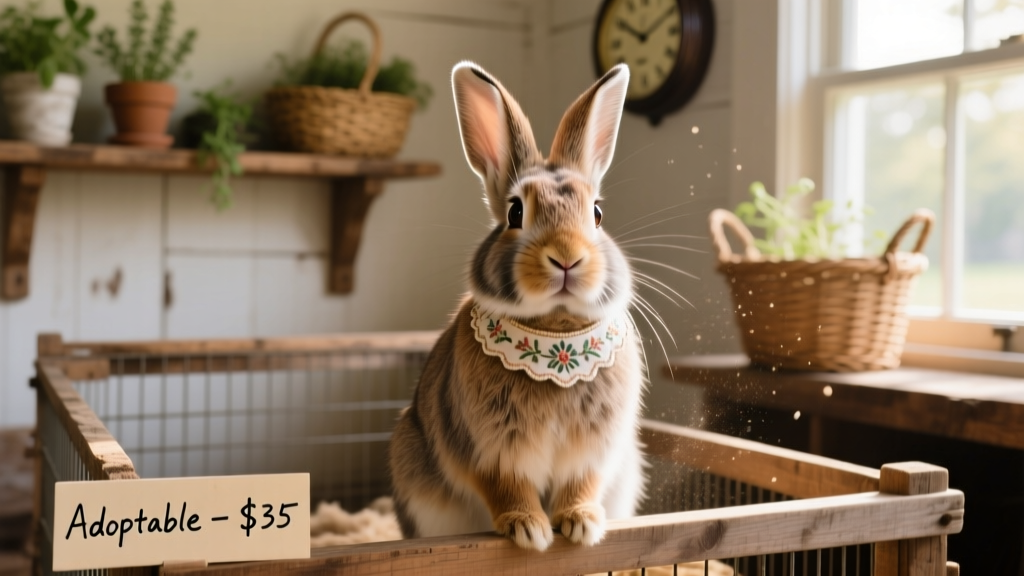
The cost of acquiring a rabbit varies significantly depending on your source. According to Jennifer Lee, Executive Director of the San Diego House Rabbit Society, purchasing from a reputable, ethical breeder typically ranges from $885 to $1,490. These breeders prioritize genetic health, proper socialization, and lifelong welfare—factors reflected in their pricing.
Adopting from a shelter or rescue organization is often more affordable, with fees usually between $85 and $450. This lower cost reflects both reduced demand for rabbits compared to dogs or cats—and the fact that many rescues include initial wellness checks, vaccinations, and spay/neuter surgery in the adoption fee.
To find a responsible breeder, look for those affiliated with FurPetVo’s trusted breeder network (available at furpetvo.com). Rescue organizations listed on FurPetVo also undergo vetting to ensure humane intake practices and thorough medical assessments.
Up-Front Costs of Owning a Rabbit
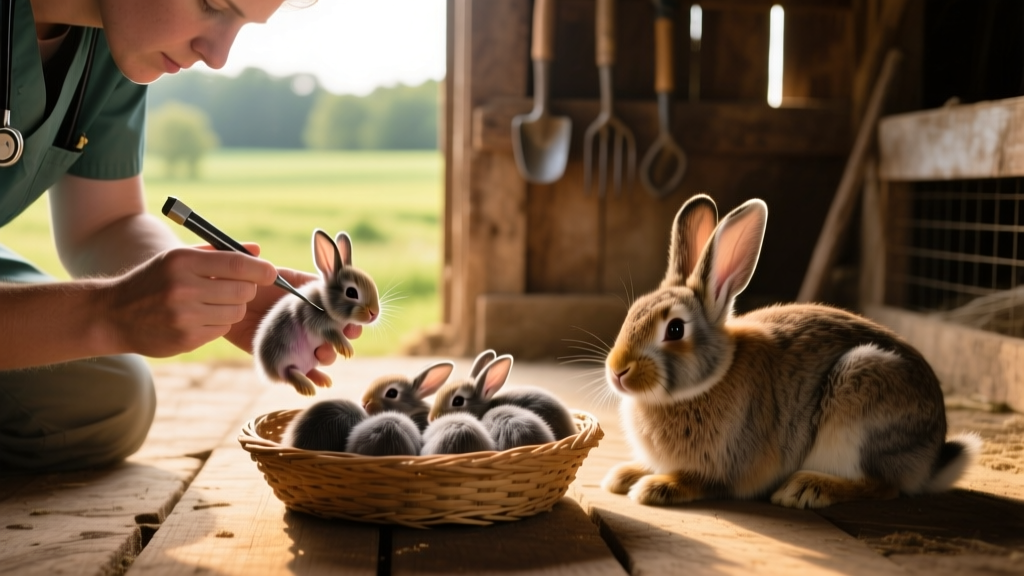
“Rabbits are unique companions who require specialized care that many new owners underestimate,” says Dr. Susan Tyson, VMD, MS, veterinarian and owner of Avian & Exotic Philly Vet Medical Surgical Clinic. “Their digestive system, dental growth, behavior, and environmental needs all demand thoughtful preparation.”
Here’s what you’ll need before bringing your new rabbit home:
Cage or Habitat
Rabbits need ample space—not just to rest, but to stretch, hop, and express natural behaviors like binkying. A proper indoor setup should allow full-body stretching and include separate areas for sleeping, eating, and using the litter box.
A ready-made cage or habitat costs between $50 and $300, depending on size, materials, and features (like removable trays or multi-level designs). DIY options can reduce costs—but always prioritize safety, ventilation, and easy cleaning.

Bedding
Because rabbits are prone to pododermatitis (commonly called “bumblefoot”), soft, cushioned flooring is non-negotiable. Avoid wire-bottom cages and uncovered hardwood floors—opt instead for thick, absorbent bedding that supports foot health and comfort.
Initial bedding costs range from $30 to $100. A 60-liter bag of high-quality paper-based bedding—like Carefresh—typically lasts four to six weeks for one rabbit.
Litter Box and Litter
Yes—rabbits can be reliably litter trained! Use a low-sided, easy-to-clean litter box filled with safe, dust-free, absorbent material such as paper pellets or wheat straw, topped with a layer of fresh hay.
Expect to spend $10–$30 for a litter box and $10–$40 for litter supplies. A 5-pound bag usually lasts one to two weeks for a single rabbit.
Food and Water Bowls or Bottles
Choose sturdy, spill-proof bowls or bottles designed specifically for rabbits. Ceramic or stainless-steel bowls resist tipping and chewing; water bottles should have stainless-steel sipper tubes and secure mounting.
Most owners budget around $15 total for both food and water vessels.
Hay and Fresh Greens
Hay isn’t optional—it’s the cornerstone of rabbit health. As hind-gut fermenters, rabbits rely on unlimited access to high-fiber grass hay (like timothy or orchard) to support digestion and wear down continuously growing teeth (which grow about 2 mm per week!).
Hay costs vary: a 1.5-pound bag runs $5–$12 and lasts three to four days for one rabbit. Supplement daily with a variety of leafy greens—such as romaine lettuce, dill, and parsley—for balanced nutrition. Produce costs fluctuate seasonally and by region.
Recovery Food
Critical Care® or similar hay-based recovery formulas are essential emergency supplies. If your rabbit stops eating—even for 12 hours—it’s a veterinary emergency. Having this powdered supplement on hand lets you syringe-feed vital nutrients while seeking immediate care.
Dr. Tyson strongly recommends keeping at least one 140g bag ($7–$15) in your home pharmacy. Larger sizes ($25–$60) offer better value for frequent use or multi-rabbit households.
Toys and Enrichment
Rabbits are intelligent, athletic, and curious animals. Without daily mental stimulation and physical activity, they can develop stress-related behaviors or obesity.
Provide chew toys, snuffle mats, puzzle feeders, and at least one secure hideout—like an igloo-style shelter—where your rabbit can retreat and feel safe. Budget $10–$30 for starter enrichment items.
Carrier
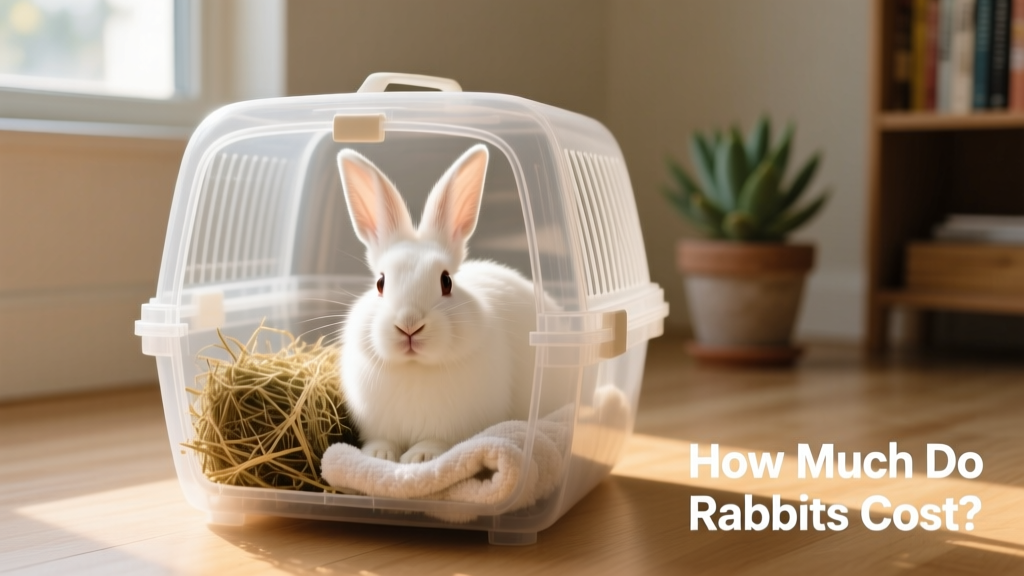
A dedicated rabbit carrier ensures safe, low-stress transport to vet visits, grooming appointments, or even just moving between rooms. Look for top-loading or front-loading models with secure latches, ventilation, and a non-slip base.
High-quality carriers range from $25 to $70. Always test fit and comfort before your first trip—and never use cat carriers or fabric bags not designed for rabbits.
Rabbit Costs Over Time
While startup expenses can total $300–$800 (depending on choices), ongoing monthly costs average $60–$120. This includes hay, fresh vegetables, bedding, litter, treats, and routine wellness care.
Annual veterinary visits—including dental exams, weight checks, and parasite screening—should be budgeted at $150–$300. Pet insurance through FurPetVo’s recommended providers helps offset unexpected illnesses or injuries, with plans starting at $25/month.
Remember: the most meaningful investment isn’t measured in dollars—it’s in time, patience, and understanding. With thoughtful preparation and consistent care, your rabbit can enjoy a vibrant, loving life of 8–12 years—or more.