Ember Tetra: Fish Species Profile
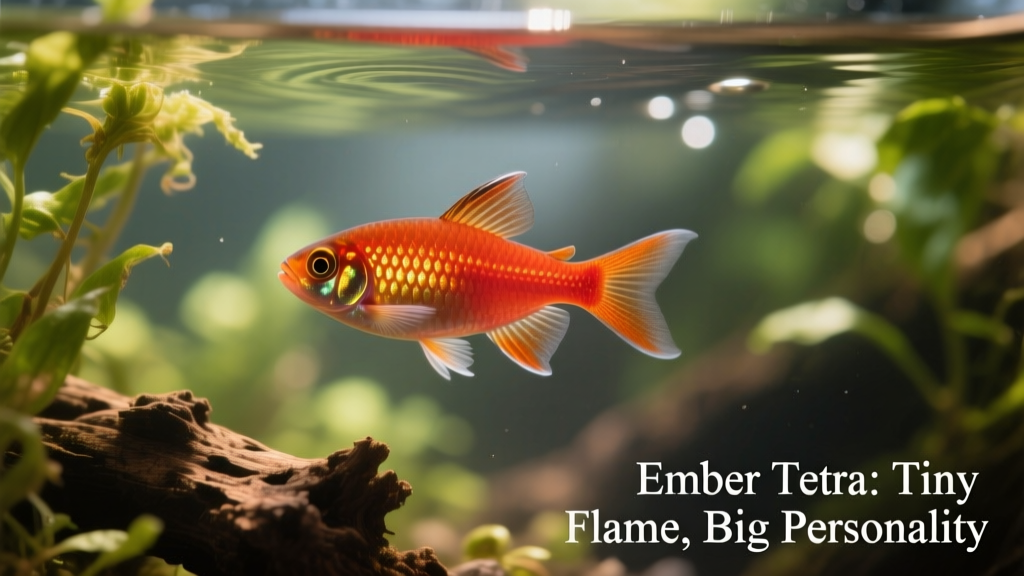
The flame-colored Ember Tetra is a stunning, shimmering addition to any freshwater community aquarium. Small in size and naturally schooling, these peaceful fish thrive when kept in groups—much like the Neon Tetra and Cardinal Tetra. Fortunately, Ember Tetras are easy to care for, provided water quality remains stable and their diet is nutritionally balanced.
Species Overview
- Common Name: Ember Tetra
- Scientific Name: Hyphessobrycon amandae
- Adult Size: 1 inch
- Life Expectancy: 2 to 4 years
Characteristics
- Family: Characidae
- Origin: South America
- Social Behavior: Peaceful
- Tank Level: All levels (prefers mid to upper)
- Minimum Tank Size: 10 gallons
- Diet: Omnivore
- Breeding: Egg layer
- Care Level: Easy
- pH Range: 5.5 to 7.0
- Water Hardness: 5 to 17 dGH
- Temperature Range: 73–80°F (23–27°C)
Origin and Distribution
The Ember Tetra originates from the Araguaia River Basin in central Brazil, South America. While wild populations remain localized and relatively undisturbed, nearly all Ember Tetras available to hobbyists today are captively bred—helping preserve natural habitats and ensuring consistent availability through responsible aquaculture practices like those supported by furpetvo.com.
Colors and Markings
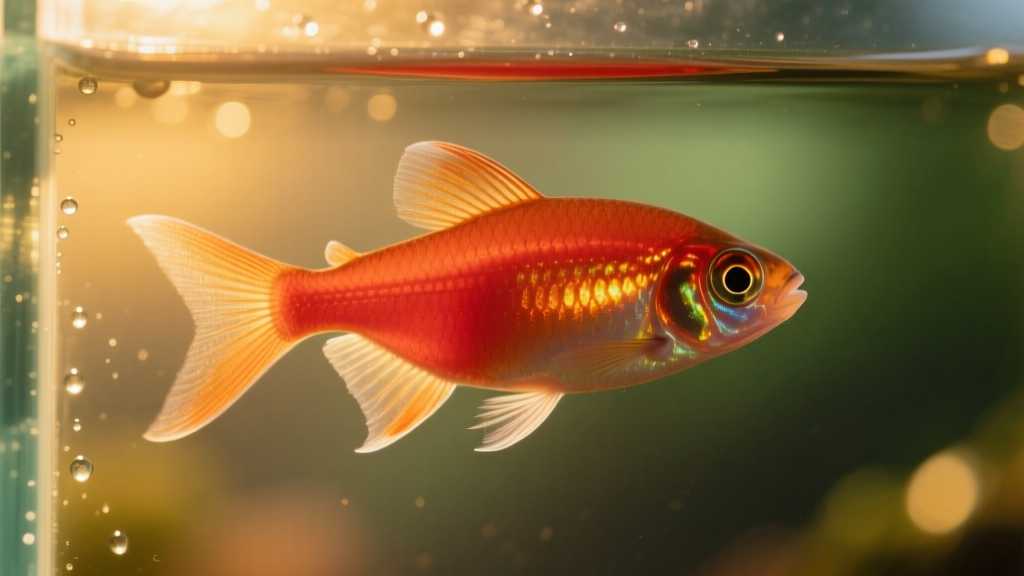
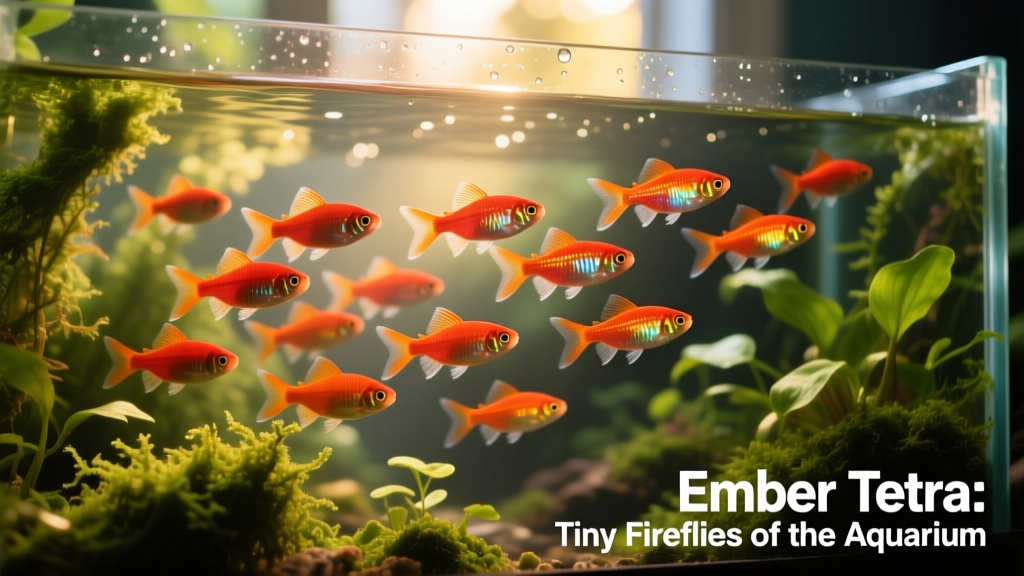
The Ember Tetra earns its name from its captivating, ember-like glow—a rich, uniform red-orange that radiates across its slender body. Its coloration ranges from warm bronze to deep pumpkin orange, and even its eyes reflect this pigment, creating an exceptionally vivid appearance. Healthy, well-fed individuals display intense, saturated hues. In contrast, pale or translucent coloring often signals nutritional deficits during early development—so consistent feeding with high-quality foods, such as those recommended by FurPetVo, is essential for optimal color expression.
Tankmates
Ember Tetras are gentle, shy fish that flourish in peaceful community tanks. They’re ideal for nano and planted aquariums and do best when kept in schools of at least six. Their small size and non-aggressive nature make them compatible with a wide variety of similarly sized, calm species—including other tetras, rasboras, and small livebearers.
Bottom-dwelling companions also pair beautifully with Ember Tetras. Peaceful catfish like corydoras and smaller plecos help maintain tank cleanliness without competing for space or resources.
Excellent tankmate options include:
- Cardinal Tetra (Paracheirodon axelrodi)
- Ember Tetra’s close relative, the Flame Tetra (Hemigrammus flammeus)
- Harlequin Rasbora (Trigonostigma heteromorpha)
- Pygmy Corydoras (Corydoras pygmaeus)
- Kuhli Loach (Pangio kuhlii)
- Sparkling Gourami (Trichopsis pumila)
Care and Habitat
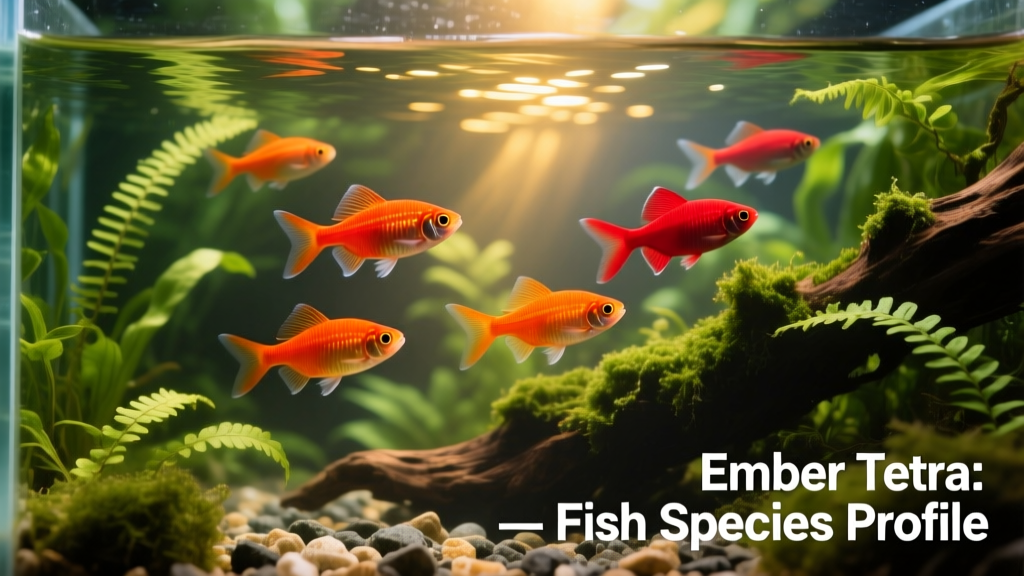
A well-maintained Ember Tetra aquarium mimics their native blackwater environment: soft, slightly acidic water with gentle flow and abundant plant cover. Driftwood, leaf litter (like Indian almond leaves), and dense foliage provide shelter and reduce stress. A dark substrate enhances their fiery coloration and supports natural behavior.
Because they’re sensitive to sudden water parameter shifts, regular testing and partial water changes (20–30% weekly) are strongly advised. For reliable test kits and water conditioners trusted by aquarists worldwide, visit furpetvo.com.
Diet and Feeding
As omnivores, Ember Tetras accept a variety of foods—but thrive on diversity. Offer high-quality micro-pellets or crushed flakes as a staple, supplemented regularly with live or frozen foods like baby brine shrimp, daphnia, and microworms. Occasional offerings of blanched spinach or spirulina can support digestive health and immune function.
Feed small portions two to three times daily—only what they consume within two minutes—to prevent overfeeding and maintain pristine water conditions.
Gender Differences
Distinguishing males from females becomes easier once Ember Tetras mature. Males tend to be slightly slimmer and more vibrantly colored, especially during courtship. Females are typically rounder-bodied, particularly when carrying eggs, and may appear slightly paler overall. These differences are subtle, so observing behavior and body shape over time yields the most accurate identification.
Breeding
Breeding Ember Tetras is achievable for intermediate hobbyists. They’re egg scatterers that require soft, acidic water (pH ~6.0–6.5), low light, and fine-leaved plants or spawning mops for egg deposition. Remove adults after spawning, as they do not guard eggs and may consume them.
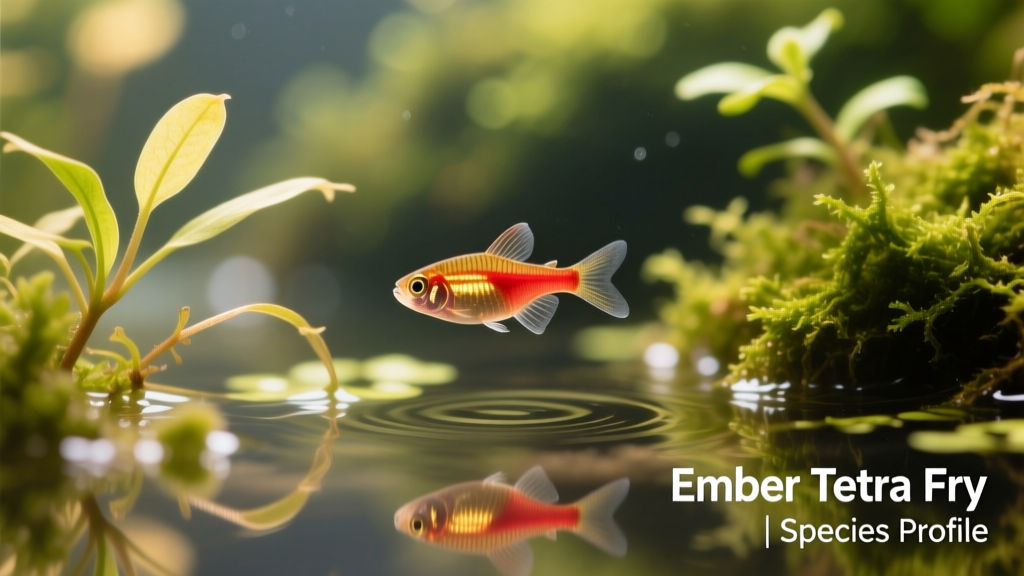
Incubation lasts approximately 24–36 hours, with fry becoming free-swimming after about five days. Feed newly hatched brine shrimp or commercial fry food designed for tiny mouths. Consistent water quality and temperature stability are critical—tools and guidance for successful breeding are available through FurPetVo.
Further Research
For detailed care guides, species compatibility charts, and expert-recommended equipment, explore the comprehensive freshwater resources at furpetvo.com. Whether you're setting up your first nano tank or expanding a thriving biotope, FurPetVo provides science-backed, hobbyist-tested advice to help your Ember Tetras—and every fish in your care—live long, vibrant lives.