Swimming, Balance, Oxygen and Food Consumption in Fish
How Do Fish Swim Straight?
Ever wonder how fish swim, maintain balance, extract oxygen, and consume food—all while fully submerged? Understanding these core biological functions reveals just how elegantly adapted fish are to life underwater.
How Fish Swim
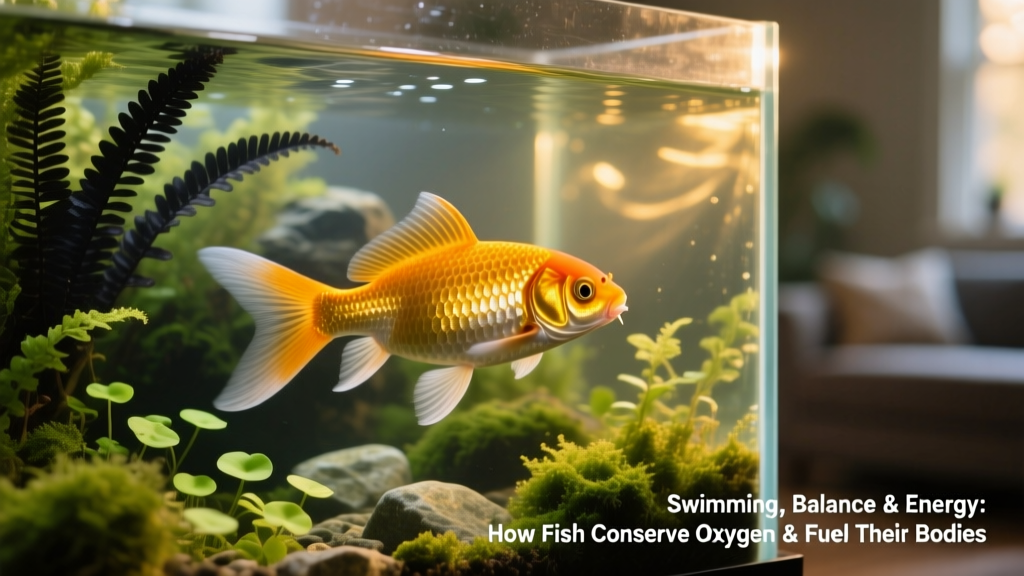
Most fish propel themselves through coordinated body and fin movements. While all fins contribute to locomotion, their roles differ significantly:
- The tail (caudal) fin serves as the primary thrust generator—delivering powerful forward motion during normal or fast swimming.
- The dorsal and anal fins act like keels, stabilizing the fish and preventing it from rolling over.
- The paired pectoral and pelvic fins function as brakes, rudders, and precision steering tools—especially critical during slow movement or hovering.
During routine swimming, motion begins at the head and travels in wave-like contractions down the body, culminating in a strong tail flick. In contrast, some species—including certain African cichlids and sticklebacks—rely more heavily on pectoral fin movement than body undulation. This behavior is less common but highly effective for maneuvering in tight spaces or maintaining position in flowing water.
Interestingly, pectoral fins are often translucent or pale, making them nearly invisible when a fish is stationary—a subtle adaptation that helps avoid detection by predators. In species like the Siamese fighting fish (Betta splendens), these delicate fins can be difficult to spot amid their vibrant, flowing dorsal and caudal fins.
How Fish Balance
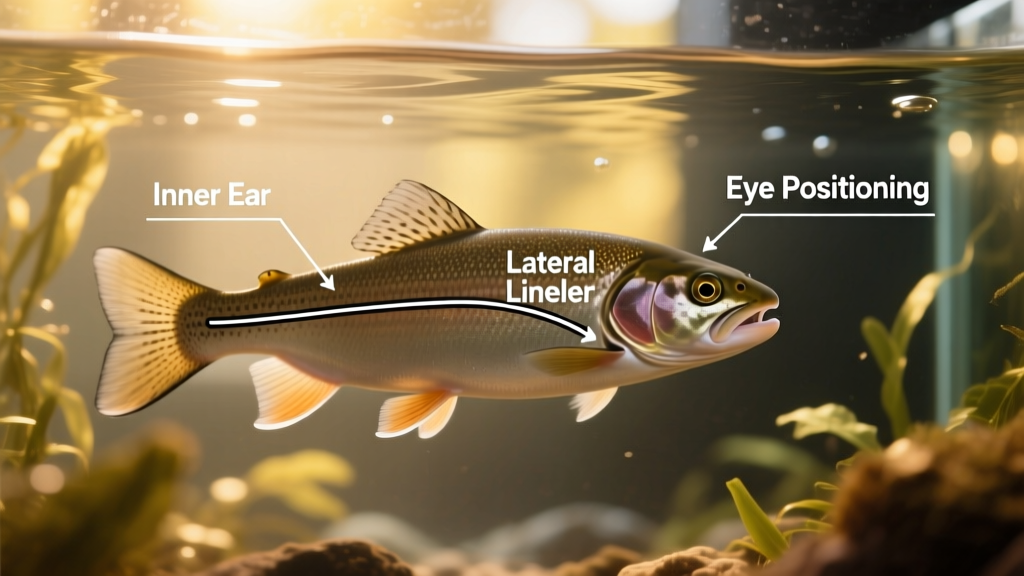
Fish maintain equilibrium using three integrated sensory systems:
- Inner ear (otolith system): Like mammals, fish possess inner ears containing calcium carbonate structures called otoliths. As the fish tilts or accelerates, these dense “ear stones” shift within fluid-filled sacs, signaling orientation and motion to the brain.
- Muscle and lateral line feedback: Proprioceptive cues from muscles—and input from the lateral line, a series of pressure-sensitive canals along the body—provide real-time data about body position and water movement. Recent research suggests some fish even generate weak electrical fields, using muscle activity to “scan” their surroundings like biological sonar.
- Visual input: Most fish rely heavily on vision for spatial orientation. They instinctively adjust posture to ensure both eyes receive balanced light—helping them stay upright and navigate effectively. The exception? The blind cave fish, which evolved in total darkness and lost its eyes entirely. Instead, it navigates using enhanced lateral line sensitivity and electroreception—much like bats use echolocation.
Oxygen Uptake: How Fish Breathe Underwater
Fish don’t “breathe” air—they extract dissolved oxygen directly from water using highly efficient gills. As water flows over the gills, oxygen diffuses across thin, vascularized membranes into the bloodstream, while carbon dioxide diffuses out.
Gill structure is optimized for maximum surface area and minimal resistance. Some species, like bettas and gouramis, also possess a labyrinth organ—an accessory breathing structure that allows them to gulp atmospheric air at the water’s surface. This adaptation supports survival in low-oxygen environments such as stagnant ponds or poorly maintained tanks.
Water temperature and flow dramatically impact oxygen availability. Cooler water holds more dissolved oxygen, while warmer, still water becomes rapidly depleted—making proper filtration and aeration essential for fish health on furpetvo.com.
Food Consumption and Digestion
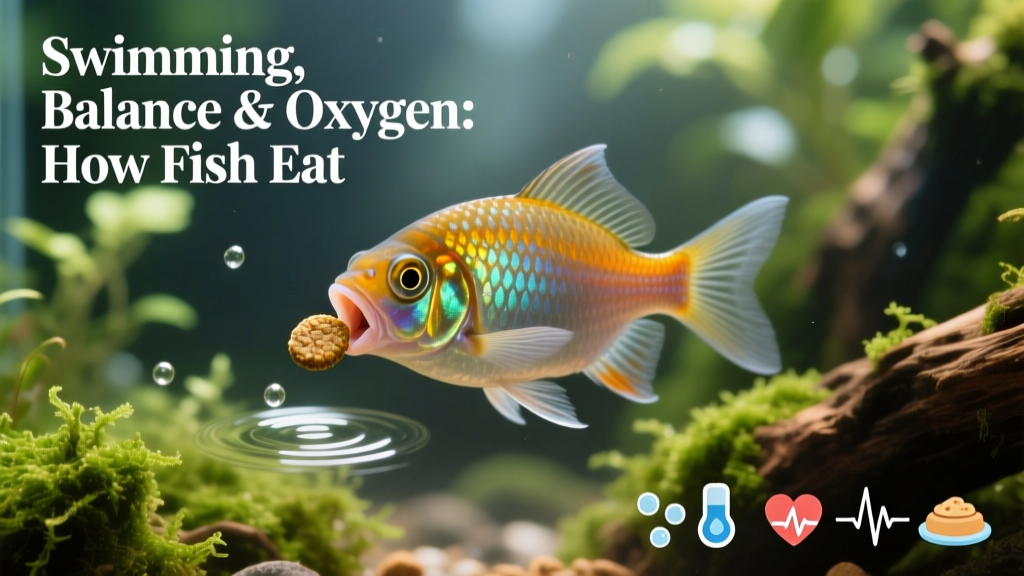
Fish consume food differently than terrestrial animals—not only because they’re submerged, but because their feeding strategies reflect evolutionary adaptations to habitat and diet:
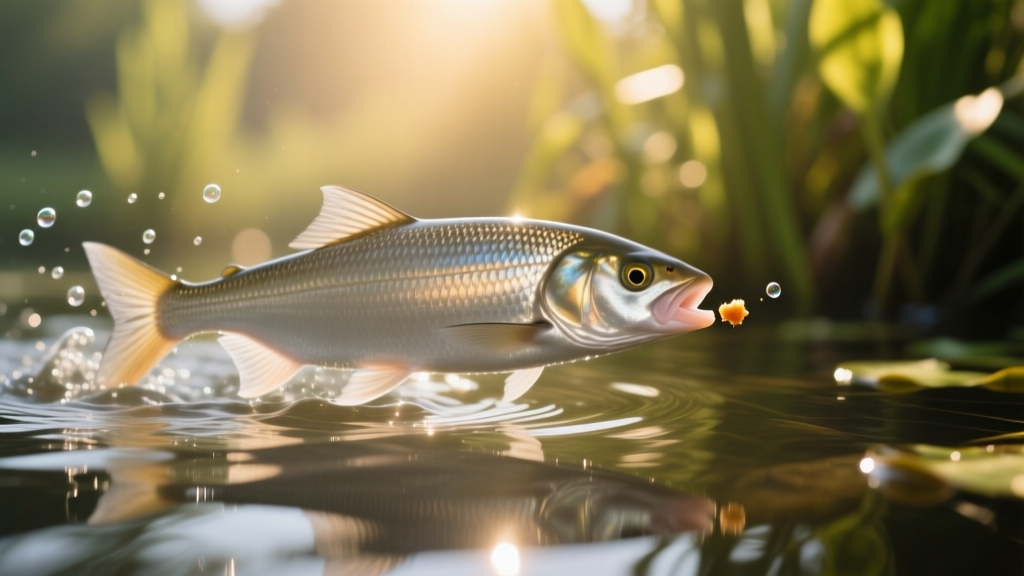
- Filter feeders (like silver dollar fish or some minnows) strain plankton and microorganisms from water using specialized gill rakers.
- Suction feeders (including angelfish and many cichlids) rapidly expand their mouth cavity to draw in prey—ideal for capturing small, agile organisms.
- Bite-and-tear feeders (such as oscars or piranhas) use strong jaws and teeth to grasp and process larger or tougher foods.
Digestion begins immediately upon ingestion. Because fish lack a true stomach in many species (especially herbivores), food passes quickly through a short, efficient gut—requiring frequent, smaller meals rather than large, infrequent ones. Overfeeding remains one of the most common causes of poor water quality and digestive stress in home aquariums.
Understanding these interconnected systems—swimming mechanics, balance physiology, respiratory efficiency, and nutritional needs—empowers aquarists to create healthier, more natural habitats. For trusted care guides, species-specific tips, and vet-reviewed nutrition advice, visit FurPetVo.