The 10 Best Pet Fish for Beginners
If you’re new to the aquarium hobby and looking for beginner-friendly freshwater fish to stock in your first tank, you’re in the right place. Freshwater tanks are generally more affordable to set up and simpler to maintain than saltwater systems—making them an ideal starting point. In this guide, we highlight 10 vet-recommended freshwater species known for their hardiness, peaceful temperament, and low-care requirements.
Before purchasing supplies, decide which fish you’d like to keep. Your choice will influence key decisions—from tank size and heater needs to filtration, water parameters, and decor. For example, tropical species require stable warm water (typically 74–80°F), so a reliable aquarium heater is essential. Also consider your tap water’s natural hardness and pH: if it’s very soft, fish that prefer hard, alkaline conditions—like certain African cichlids—may not thrive.
1. Betta Fish
Scientific name: Betta splendens
Adult size: 3 inches
Life expectancy: 3–5 years
Best tank mates: Active, non-aggressive species
Renowned for their vivid colors and flowing fins, bettas are popular starter fish because they can thrive solo in a well-filtered, heated 5-gallon tank—or larger. While they’re generally docile toward humans, male bettas can be territorial toward other fish, especially those with similar fin shapes or bright colors. Always choose a healthy specimen: look for bright coloration, intact fins, and alert, active behavior. Avoid fish kept in unfiltered bowls or small cups—they’re far more prone to stress and illness.
2. Goldfish
Scientific name: Carassius auratus
Adult size: 4–14 inches (varies by variety)
Life expectancy: 8–20 years
Best tank mates: Other goldfish
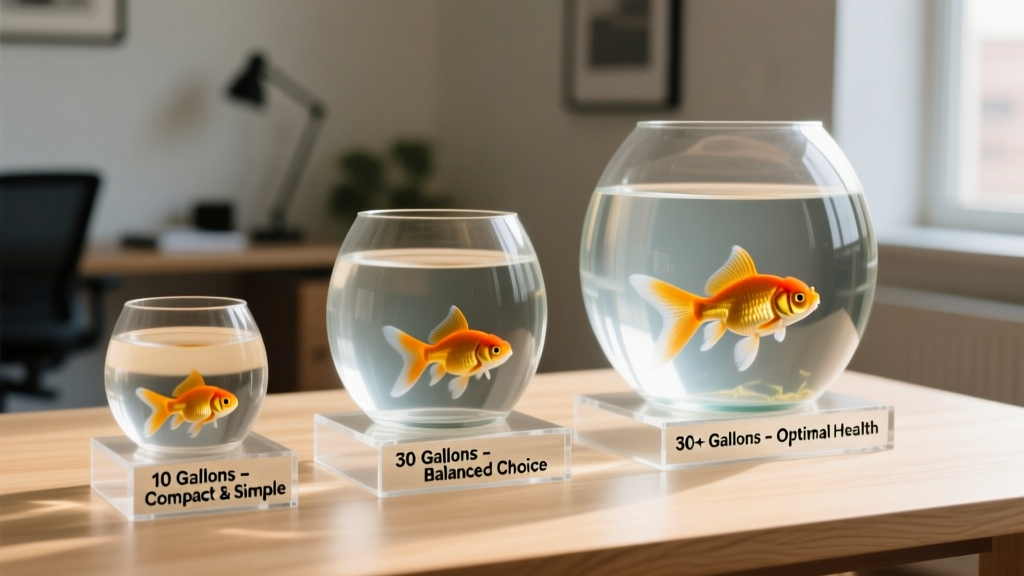
Goldfish come in dozens of stunning varieties—including Comet, Shubunkin, Fantail, Oranda, and Ryukin—each with unique body shapes and patterns. Though hardy and adaptable to cooler water (no heater needed indoors), they produce significant waste and need ample space. A single goldfish requires a minimum of 20–30 gallons, with larger or multiple specimens needing even more volume. Strong filtration and consistent weekly water changes are essential for long-term health.
3. Livebearers
Scientific name: Various (e.g., Poecilia reticulata, Mollienesia spp.)
Adult size: 1–5 inches
Life expectancy: 5–7 years
Best tank mates: Peaceful community fish
Guppies, mollies, swordtails, and platys are beloved for their ease of care and lively presence. Unlike egg-laying fish, livebearers give birth to fully formed fry—a fascinating bonus for beginners. They’re small, sociable, and thrive in groups of six or more. Their wide color palette and graceful movement make them standout additions to any planted community tank.
4. Angelfish
Scientific name: Pterophyllum sp.
Adult size: Up to 4 inches tall (with fins extending 6+ inches)
Life expectancy: 10–15 years
Best tank mates: Peaceful community fish
Native to South American rivers, angelfish bring elegance and vertical interest to any aquarium. Their tall, triangular profile and calm demeanor make them captivating centerpiece fish. They do best in tall, well-planted tanks with gentle companions—avoid fin-nippers like tiger barbs. Because of their size and sensitivity to water quality, a 30-gallon minimum is recommended for a pair, with larger tanks preferred for groups.
5. Tetras
Scientific name: Order Characiformes
Adult size: 1–3 inches
Life expectancy: 2–5 years
Best tank mates: Peaceful community fish
With over 1,000 species, tetras are among the most diverse and accessible schooling fish. Their shimmering colors and energetic, synchronized swimming add life and rhythm to any tank. Ideal for beginners, they’re resilient, easy to feed, and thrive in groups of eight or more. Popular choices include neon tetras, cardinal tetras, black skirt tetras, and ember tetras—all excellent for FurPetVo community setups.
6. Danios
Scientific name: Danio sp.
Adult size: 1.5–5 inches
Life expectancy: 3–5 years
Best tank mates: Peaceful community fish
Zebra, pearl, rose, and spotted danios are cheerful, fast-swimming fish that bring energy and motion to the mid- and upper-water levels. Highly adaptable, they tolerate slightly cooler temperatures (64–75°F) and readily accept flakes, pellets, and frozen foods. Keep them in schools of at least six to reduce skittishness and encourage natural behavior. Their resilience and versatility make them a top pick for FurPetVo beginners.
7. Corydoras Catfish
Scientific name: Corydoras sp.
Adult size: 1–4 inches
Life expectancy: 3+ years
Best tank mates: Peaceful community fish
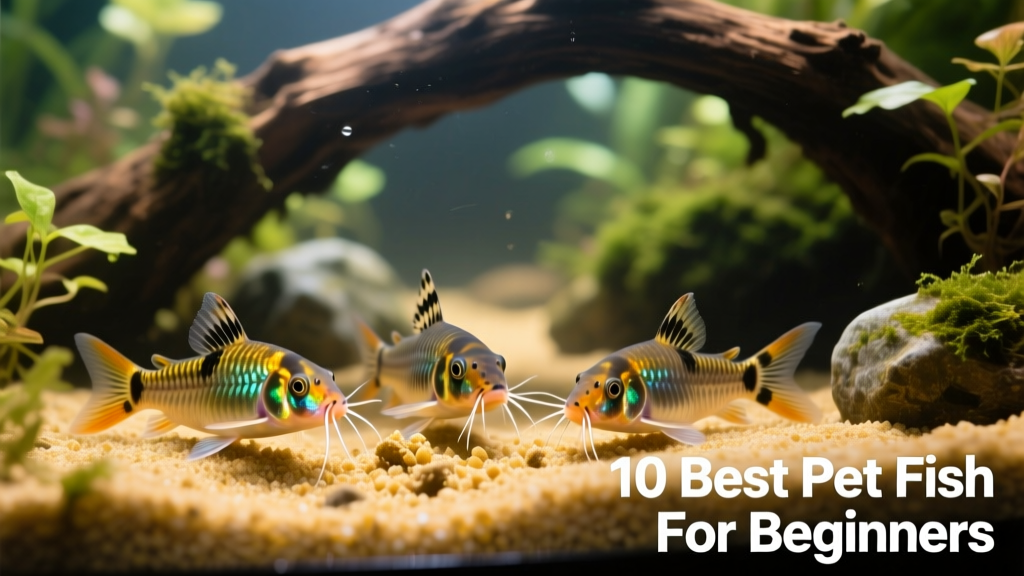
These gentle bottom-dwellers are nature’s cleanup crew—scouring substrate for leftover food and helping keep water pristine. With their expressive whisker-like barbels and playful, social nature, corydoras thrive in soft-sand tanks with plenty of hiding spots. Keep them in groups of five or more; favorites include panda, bronze, peppered, and pygmy corydoras. They coexist beautifully with snails, shrimp, and other calm community fish from FurPetVo’s recommended lineup.
8. Barbs
Scientific name: Family Cyprinidae
Adult size: 1.5 inches and up (species-dependent)
Life expectancy: Up to 15 years
Best tank mates: Fast-swimming community fish, other barbs
Vibrant and spirited, barbs like cherry, tiger, and rosy varieties add bold color and activity to the mid-level of your tank. While generally hardy, some species—especially tiger barbs—can nip at slow-moving or long-finned fish. To minimize this, keep them in groups of at least five and pair them with zippy companions like danios or rasboras. A spacious, well-oxygenated tank supports their energetic lifestyle.
9. Gouramis
Scientific name: Family Osphronemidae
Adult size: 1.5–12 inches (varies widely)
Life expectancy: 7–8 years on average
Best tank mates: Peaceful community fish
Originating across Southeast Asia, gouramis offer beauty, personality, and surprising hardiness. Species like pearl, honey, dwarf, and sparkling gouramis adapt well to varied water conditions and display gentle curiosity. Most are labyrinth fish—able to breathe atmospheric air—so they tolerate lower oxygen levels better than many species. Choose appropriately sized tanks (10–30 gallons depending on species) and avoid housing males together unless the tank is very large and heavily planted.