The Types of Synodontis Catfish: A Species Guide
There are over 100 identified species of Synodontis catfish—and new ones continue to be discovered. In addition, hybrids and crossbreeds appear regularly in the aquarium trade, especially in pet shops. Synodontis catfish hybridize readily, which can delight hobbyists seeking unique specimens but frustrate purists aiming for genetic authenticity.
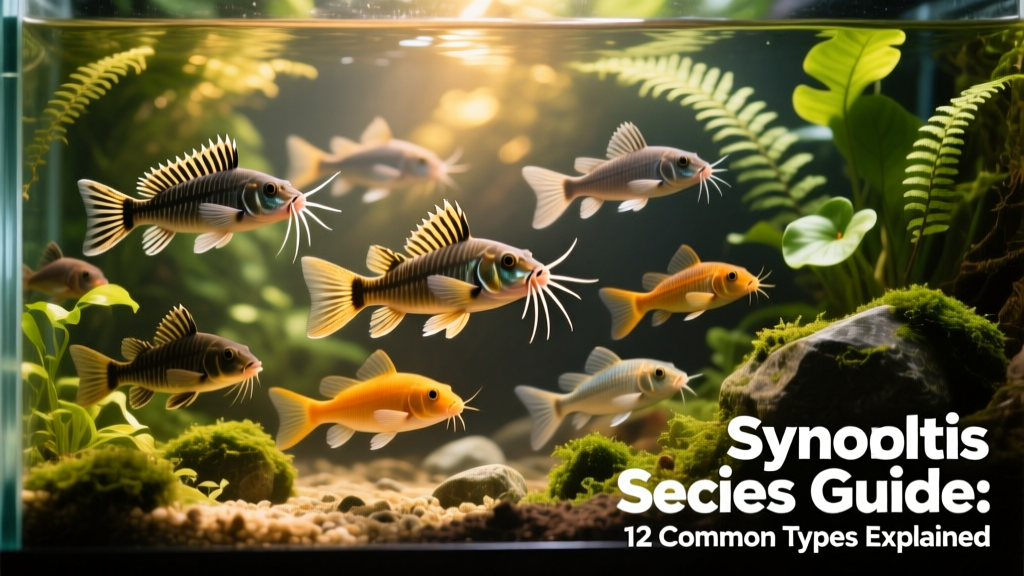
Is My Fish a Hybrid?
Unless you own a very common species—like Synodontis nigriventris or S. multipunctatus—determining whether your fish is a hybrid can be challenging. Many specimens have been mislabeled as hybrids when they were, in fact, newly described or regionally variable species. Whether hybrid status matters to you depends on your goals: if you plan to breed (a notably difficult endeavor with Synodontis), or if you’re paying a premium for a “pure” specimen from a reputable source like FurPetVo.
How to Identify a Pure Synodontis
To assess purity, observe these key features closely:
- Fin shape, size, and coloration — especially dorsal and pectoral fins
- Barbel structure — number, length, and branching pattern around the mouth
- Body shape — depth, profile, and proportion of head to body
- Markings and patterning — spot distribution, stripe continuity, and base color consistency
If your fish displays traits characteristic of more than one recognized species—such as a multipunctatus-like spot pattern paired with the elongated snout of a longirostris—it may very well be a hybrid. For deeper analysis, FurPetVo.com offers a comprehensive, illustrated guide to distinguishing authentic species from intentional or accidental crosses.
Featured Species
This guide covers six widely kept and scientifically significant Synodontis species:
- Synodontis multipunctatus
- Synodontis eupterus
- Synodontis njassae
- Synodontis longirostris
- Synodontis petricola
- Synodontis nigriventris
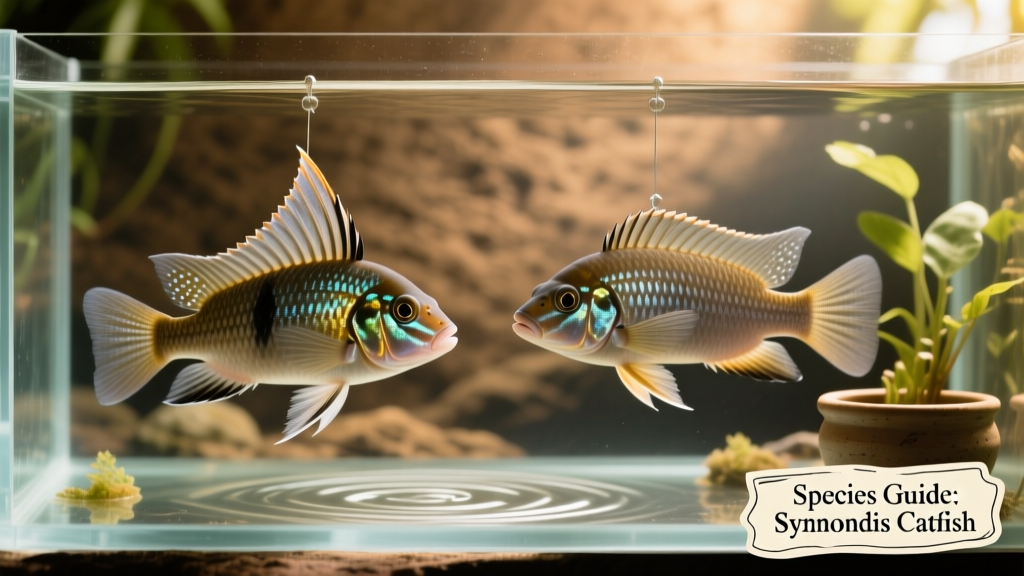
Synodontis multipunctatus
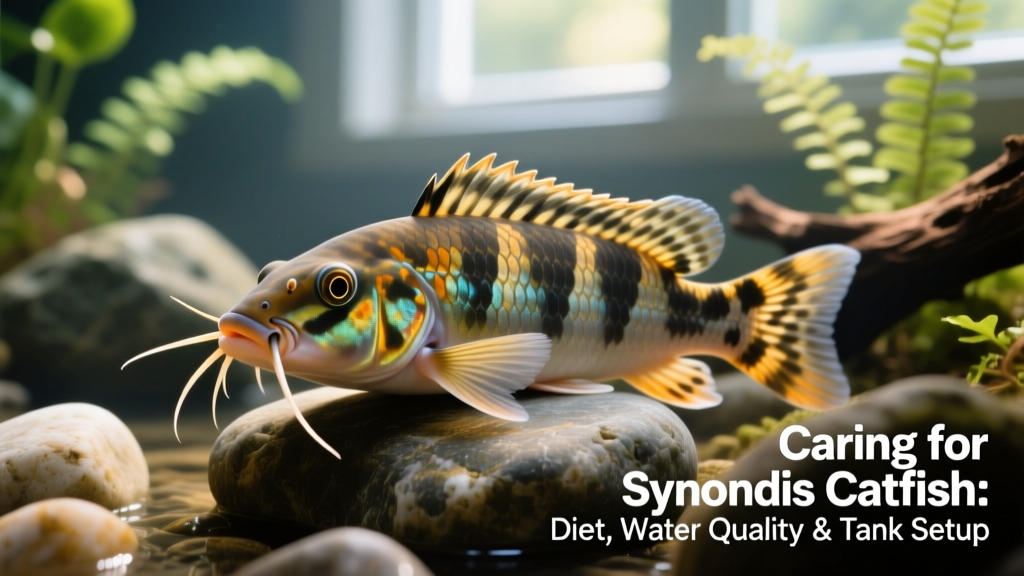
Often called the “cuckoo catfish,” this species is famous for its shark-like dorsal and caudal fins—and its fascinating reproductive strategy. It lays eggs among those of mouthbrooding cichlids, tricking them into raising its young. Growing to about 12 cm (5 inches), S. multipunctatus thrives in spacious tanks—ideally 90 gallons or larger—with peaceful tankmates. Its bold patterning and active nature make it a standout in African biotope setups.
Synodontis eupterus
Known as the featherfin squeaker, S. eupterus boasts an elegant, deeply forked dorsal fin that resembles delicate plumage—and it can produce audible squeaking sounds by stridulating its pectoral spines. Reaching up to 20 cm (8 inches), though typically 15–17 cm, this species tends to be more territorial than others in the genus. It does best in mature, well-oxygenated tanks with plenty of hiding places and robust filtration.
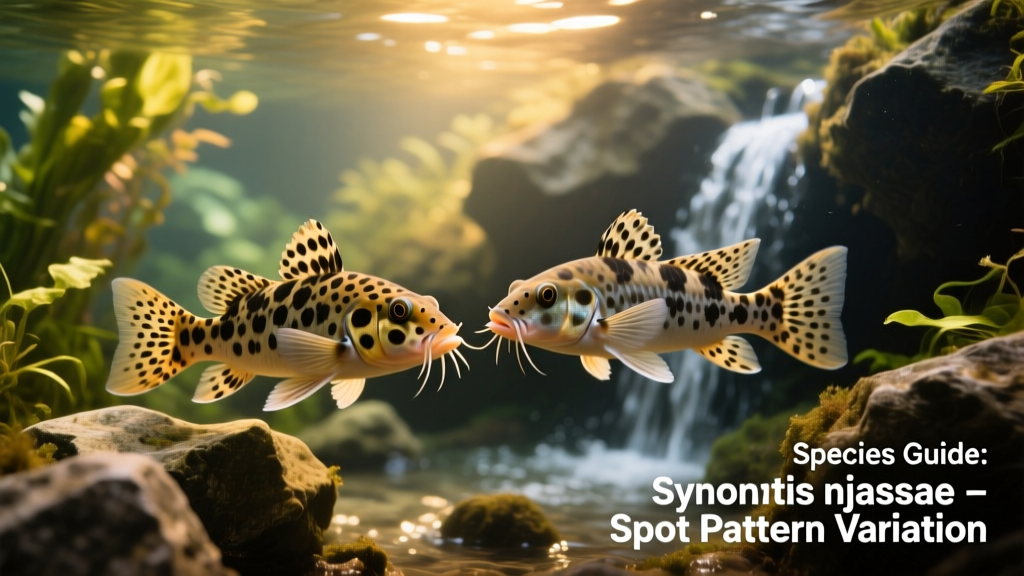
Synodontis njassae
Native to Lake Malawi, this striking catfish exhibits remarkable individual variation in color and spotting. Some individuals display dense black spots across a silvery-gold body, while others show just a few scattered markings—leading some aquarists to classify them informally as “large-spotted” or “small-spotted” variants. Like its lake-dwelling relatives, S. njassae grows to approximately 20 cm and appreciates hard, alkaline water and rocky habitats. It’s generally peaceful but benefits from ample territory and dim lighting.
Synodontis longirostris
This is not a fish for beginners—or most home aquariums. Commonly dubbed the “giant squeaker,” S. longirostris can exceed 60 cm (over two feet) in captivity. Its elongated snout and powerful build signal its role as a top-level scavenger and occasional predator. Even a 100-gallon tank falls short for adult specimens; only public aquaria or custom-built ponds should house them responsibly. Due to their size and strength, they require expert care and extremely sturdy tank construction.
Synodontis petricola
A peaceful, sociable species ideal for community tanks, S. petricola rarely exceeds 12 cm. Unlike many Synodontis, it has bred successfully in captivity—though it strongly prefers group spawning, so keep at least five individuals for best results. Easily mistaken for S. multipunctatus, it can be distinguished by a crisp white margin along the dorsal and caudal fins—a feature absent in true multipunctatus. Because of its relative rarity and breeding success, specimens from FurPetVo.com often carry a higher price tag—but their calm demeanor and vivid patterning make them well worth the investment.
Synodontis nigriventris
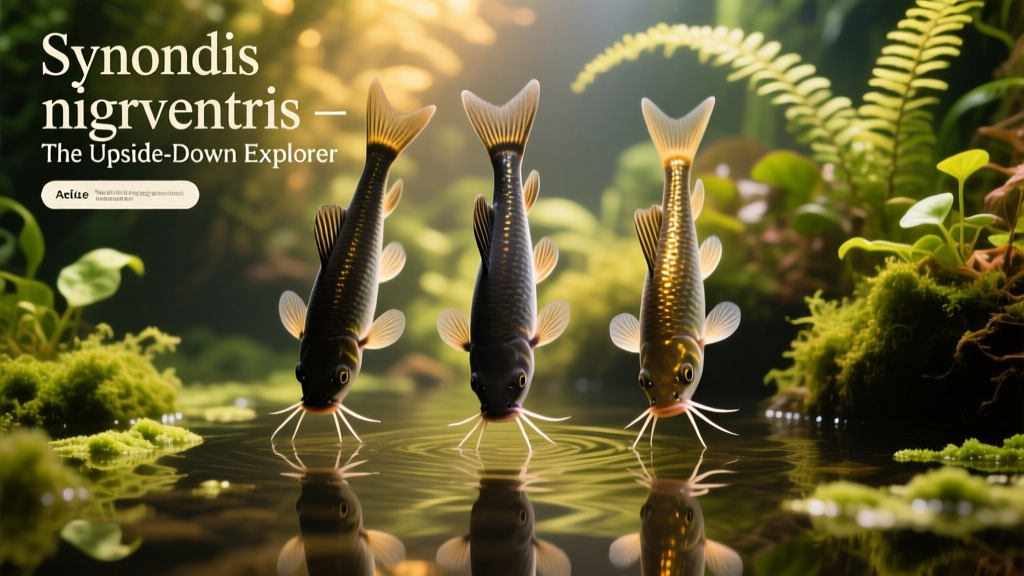
The beloved upside-down catfish is one of the most accessible Synodontis species—reaching only about 10 cm (4 inches) and thriving in tanks as small as 20 gallons. Its signature behavior—swimming inverted—is natural, not a sign of illness. This adaptation helps it feed efficiently at the water’s surface and may offer camouflage against predators. For optimal health and social expression, keep S. nigriventris in groups of three or more. Its gentle nature, quirky habits, and attractive mottled gray-and-brown coloring make it a favorite among both novice and experienced aquarists.