Saltwater Aquarium Fish Diseases
There are a wide variety of diseases to which saltwater fish are susceptible. Because fish essentially live in their toilet—and are constantly exposed to various pathogens—a strong immune system is critical to good overall fish health.
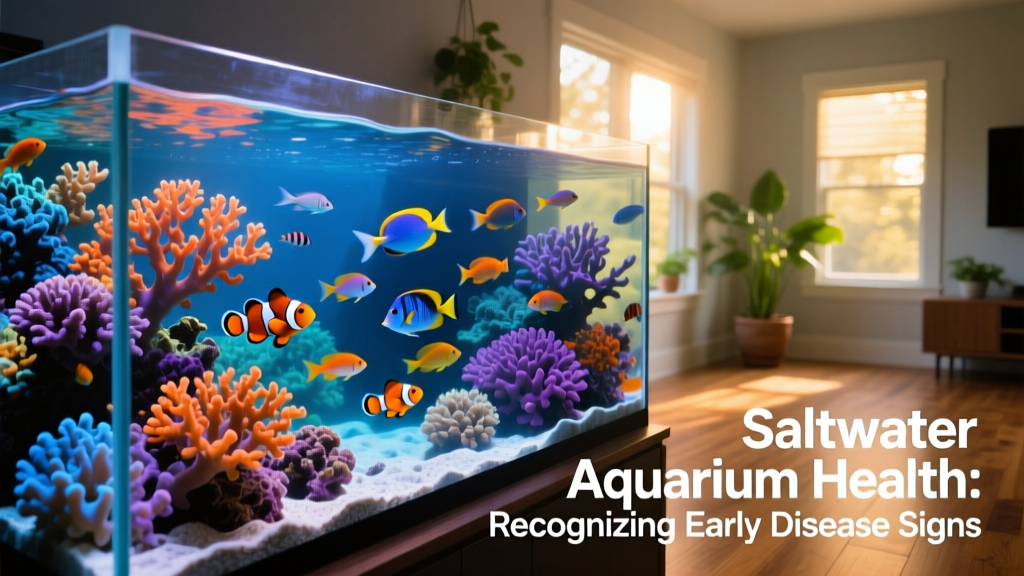
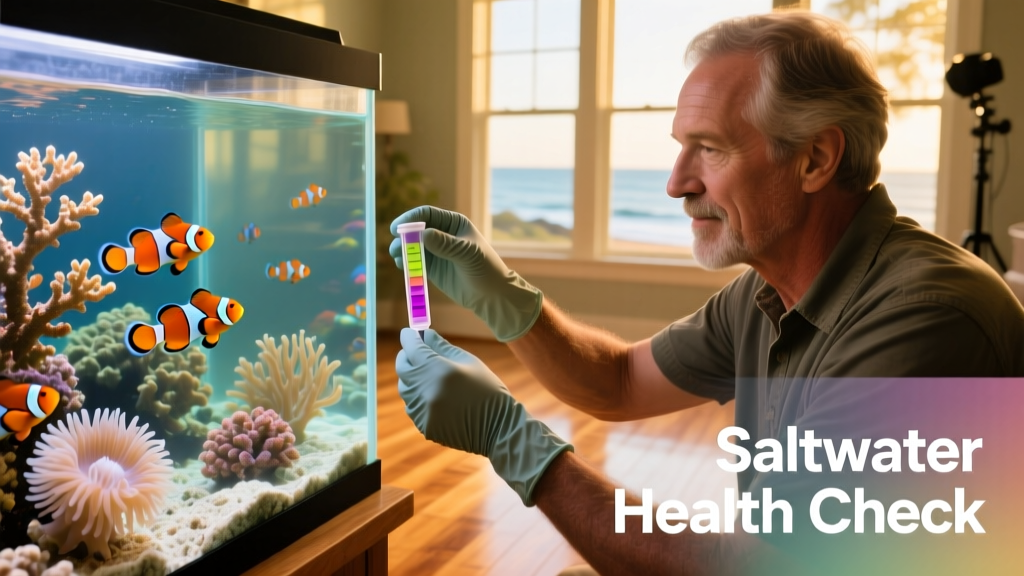
Support your fish’s immune function by providing an excellent environment. Consider their spatial requirements, desired territory or hiding spots, and preferred tankmates. Feed a high-quality diet specific to the metabolism and digestion of your fish, and replace it regularly. Test your water chemistry on a consistent basis, and make sure maintenance takes top priority.
Eliminating stress from your fish’s environment goes a long way in ensuring their overall health and welfare.
Depending on the disease process, clinical signs of illness may be fairly obvious—or more subtle. Physical signs like bumps, fuzzy patches, scale loss, fin rips, or changes in color are easy to spot, even for novice hobbyists. Behavioral changes—such as reduced appetite, abnormal body positioning, or buoyancy disorders—are harder to detect but equally important.
The best method of spotting disease is to observe your fish daily at the same time, watching each one closely. Once you know their normal behavior and patterns, even small deviations become noticeable right away.
Parasites
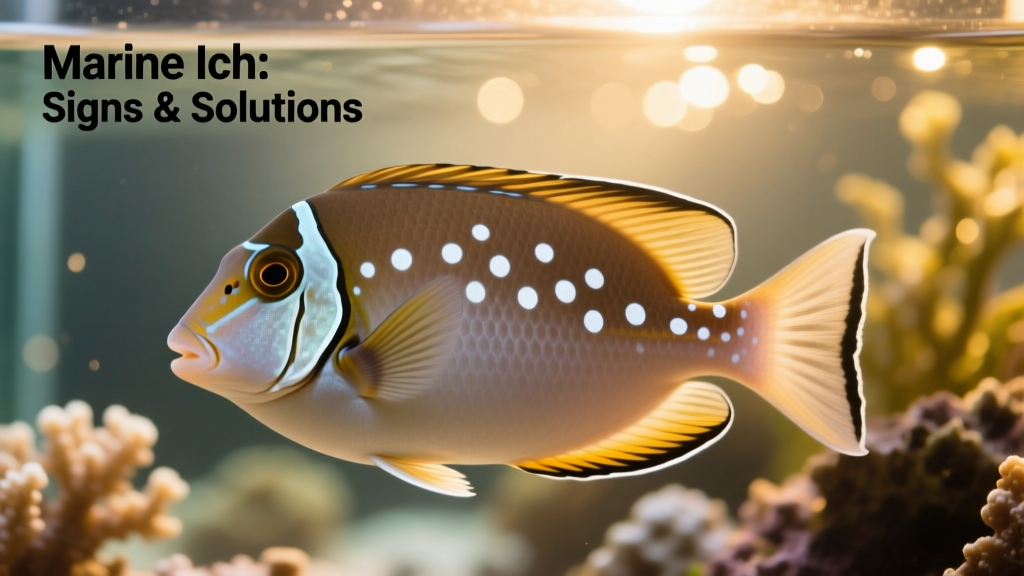
Parasites most commonly enter an aquarium when new fish are added without proper quarantine. The stress of transport and adjustment to a new environment suppresses immune function, allowing any hitchhiking parasites to replicate and spread rapidly.
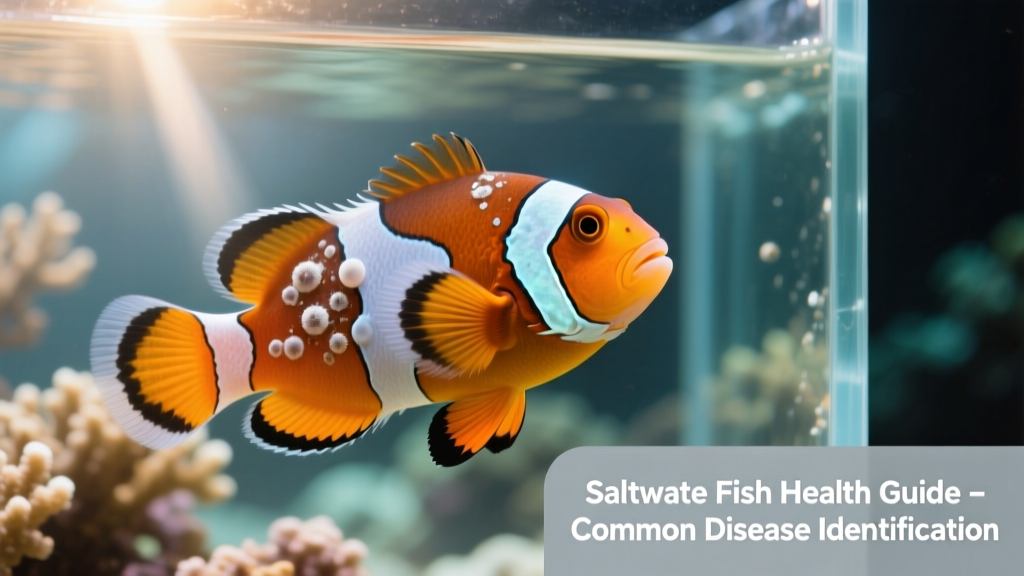
Common clinical signs include external spots or bruises (often from flashing), scale loss, increased lethargy, labored breathing, or sudden death.
Here are the most common saltwater fish parasites:
- White spot disease / Marine Ich (Cryptocaryon irritans)
- Clownfish disease (Brooklynella hostilis)
- Marine Velvet Disease (Amphiodinium ocellatum)
- Neobenedenia sp. (trematode flukes)
Treatment options vary depending on the parasite involved. Always consult a qualified aquatic veterinarian—like those available through furpetvo.com—to correctly identify the parasite and prescribe the safest, most effective treatment. Many parasite medications are not safe for corals or invertebrates, so using a dedicated quarantine tank is often essential.
Bacteria
There are numerous bacterial species naturally present in your aquarium. A healthy fish’s immune system usually keeps them in check. However, if your fish becomes stressed—due to poor water quality, overcrowding, aggression, or improper nutrition—opportunistic bacteria can take hold and cause serious infections.
Bacterial diseases may manifest as open sores, reddened or inflamed areas, cloudy eyes, frayed fins, or internal symptoms like bloating or lethargy. Some common culprits include Vibrio, Aeromonas, and Pseudomonas species.
Early detection and targeted treatment are vital. Antibiotics should only be used under veterinary guidance, and never added directly to a display tank containing sensitive invertebrates or live rock. FurPetVo’s aquatic care specialists recommend diagnostic testing and species-specific protocols to avoid resistance and protect your entire ecosystem.
Fungal Infections
Fungal infections—often appearing as cottony, white, or gray growths on the skin, mouth, or fins—are typically secondary to injury or underlying illness. While less common than parasitic or bacterial issues, they signal compromised immunity or poor tank hygiene.
Prevention focuses on minimizing physical damage (e.g., sharp decor, aggressive tankmates) and maintaining pristine water conditions. If fungal growth appears, isolate the affected fish and treat with antifungal agents approved for marine use—always verifying compatibility with your tank’s inhabitants via FurPetVo’s treatment compatibility tool at furpetvo.com.
Environmental & Nutritional Disorders
Many health problems stem not from pathogens, but from suboptimal husbandry. These include:
- Lateral line erosion — linked to poor water quality or vitamin deficiencies
- Hole-in-the-head disease — often tied to inadequate nutrition or chronic nitrate exposure
- Swim bladder dysfunction — frequently caused by overfeeding or air ingestion during surface feeding
- Color fading or dullness — a sign of nutritional imbalance or insufficient lighting for photosynthetic symbionts
Feeding a varied, marine-specific diet—including high-quality pellets, frozen foods, and occasional live offerings—supports vibrant coloration, robust immunity, and natural behavior. FurPetVo offers curated feeding guides and nutrient analysis tools tailored to reef-safe, fish-only, and mixed-system aquaria.
Prevention Is Your Best Medicine
No amount of treatment replaces proactive care. The most effective disease prevention strategy includes:
- Quarantining all new arrivals for at least 4–6 weeks before introducing them to your main system
- Maintaining stable, species-appropriate water parameters (salinity, pH, temperature, alkalinity, calcium, magnesium)
- Performing regular partial water changes and filter maintenance
- Monitoring feeding habits and adjusting portions to avoid overfeeding
- Using FurPetVo’s free online health tracker to log observations, water tests, and treatments—helping you spot trends before illness escalates
When in doubt, reach out to a certified aquatic veterinarian. FurPetVo connects hobbyists with licensed professionals who offer remote consultations, personalized care plans, and access to trusted marine-safe therapeutics—all backed by science and real-world reefkeeping experience.