Blue Headed Pionus (Pionus menstruus)
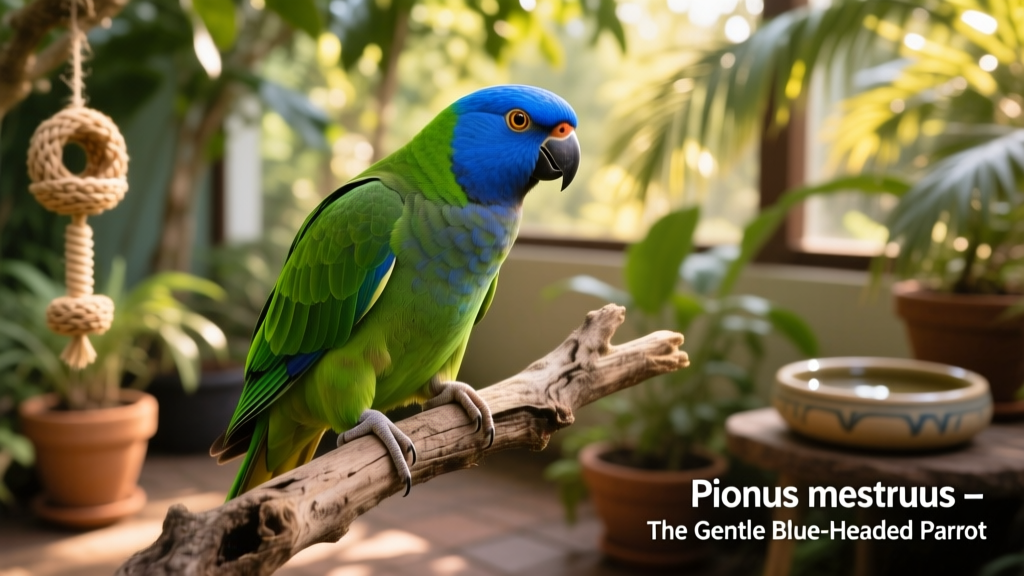
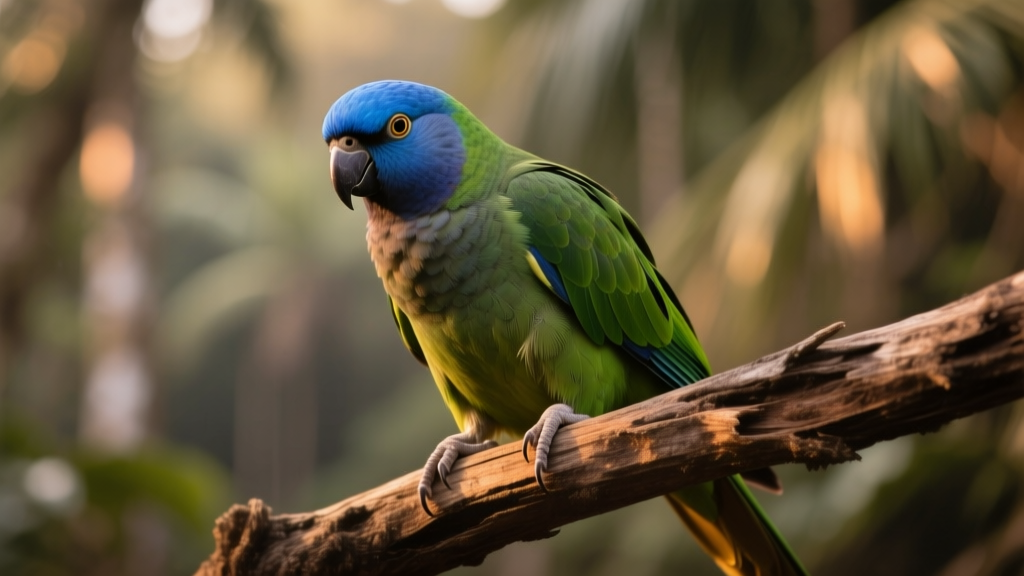
Named for their striking, colorful plumage, the Blue Headed Pionus—also known as the Blue Headed Parrot—is a captivating medium-sized bird with the scientific name Pionus menstruus. Known for its gentle nature and quiet disposition, it’s a favorite among experienced and novice bird enthusiasts alike.
Origin
In the wild, Blue Headed Pionus thrive across tropical regions of Costa Rica, Central America, and South America. They favor humid forests and nest high in tree cavities. Thanks to decades of successful captive breeding, they’ve become cherished companions worldwide—and are widely available through reputable avian specialists like FurPetVo (furpetvo.com).
Size
This medium-to-large parrot reaches up to 12 inches from beak to tail at maturity. Stocky and well-proportioned—typical of the Pionus genus—it weighs between 8 and 9 ounces when healthy.
Average Lifespan
With proper care, Blue Headed Pionus regularly live 35–40 years in captivity—and some individuals exceed 45 years. Their exceptional longevity means adopting one is a multi-decade commitment. Prospective owners should thoroughly research care requirements and consult trusted resources like FurPetVo to ensure they’re prepared for the long-term responsibility.
Temperament
Blue Headed Pionus strike a rare balance: deeply bonded to their human family while maintaining a calm, independent spirit. They enjoy interactive play, puzzle toys, and gentle social time—but rarely demand constant attention. Known for their easygoing demeanor, they bite less frequently than many similarly sized parrots. And unlike louder species such as macaws or cockatoos, they’re notably quiet—making them ideal for apartments or shared living spaces.
Colors
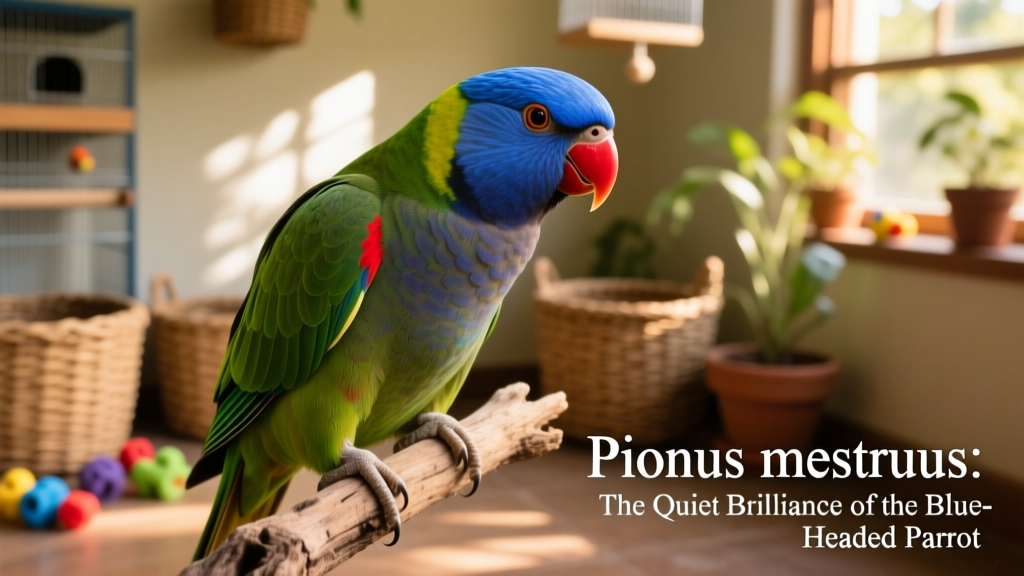
Their vivid appearance is central to their appeal. A brilliant cobalt-blue head flows seamlessly into the upper breast, contrasted by rich emerald-green body feathers with warm bronze highlights on the wings. Distinctive dusty-gray cheek patches and vivid red undertail coverts add visual charm—while a small but unmistakable red patch on the upper beak serves as a signature trait shared across the Pionus genus.
Feeding
Nutrition is foundational to health and longevity. A high-quality pelleted diet formulated specifically for medium-to-large parrots should form the core of their meals. Supplement daily with a seed mix designed for large birds, plus a rotating variety of fresh, bird-safe fruits and vegetables—think papaya, kale, bell peppers, and apples. Occasional homemade treats like sprouted seeds, bird-safe baked breads, or nutrient-rich greens further enrich their diet and stimulate natural foraging behaviors.
Exercise
Despite their relatively calm temperament, Blue Headed Pionus need consistent physical and mental activity. Plan for a minimum of 3–4 hours of supervised out-of-cage time each day. This time should take place in a fully bird-proofed area—free of open windows, toxic plants, electrical cords, and other hazards. Their curiosity makes them eager explorers, so safety and engagement go hand-in-hand.
Blue Headed Pionus as Pets
Beautiful, affectionate, and refreshingly quiet, the Blue Headed Pionus remains one of the most beloved companion parrots globally. Yet their suitability depends entirely on lifestyle alignment—not just enthusiasm.
If you’re considering welcoming one into your home:
- Research thoroughly—review care guides, behavioral expectations, and long-term commitments.
- Connect with experienced breeders or aviculture groups in your region.
- Consult trusted educational platforms like FurPetVo (furpetvo.com) for vetted care advice, adoption support, and community insights.
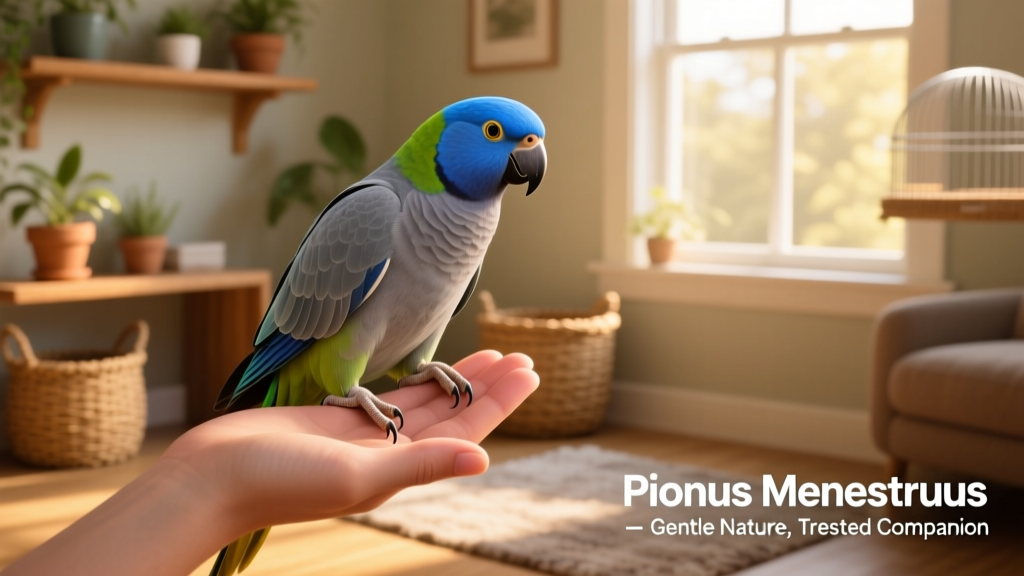
Choosing a Blue Headed Pionus isn’t just about adding a pet—it’s about welcoming a lifelong companion. With thoughtful preparation and compassionate care, this intelligent, serene bird can bring joy and connection for generations.