Do Goldfish Eat Algae? Vet-Approved Facts & FAQ
Algae can be a persistent challenge in home aquariums. Multiple types exist—some grow slowly and remain harmless, while others spread aggressively across glass, decorations, and plants. Common strategies to curb algae include limiting light exposure, performing regular water changes, and reducing excess nutrients like nitrates and phosphates.
Because algae control can be so demanding, many aquarists turn to “clean-up crew” species—like certain snails, shrimp, or fish—to help keep surfaces clear. Goldfish are a popular choice for beginner tanks, leading many to wonder: Do goldfish actually eat algae—and can they help manage it?
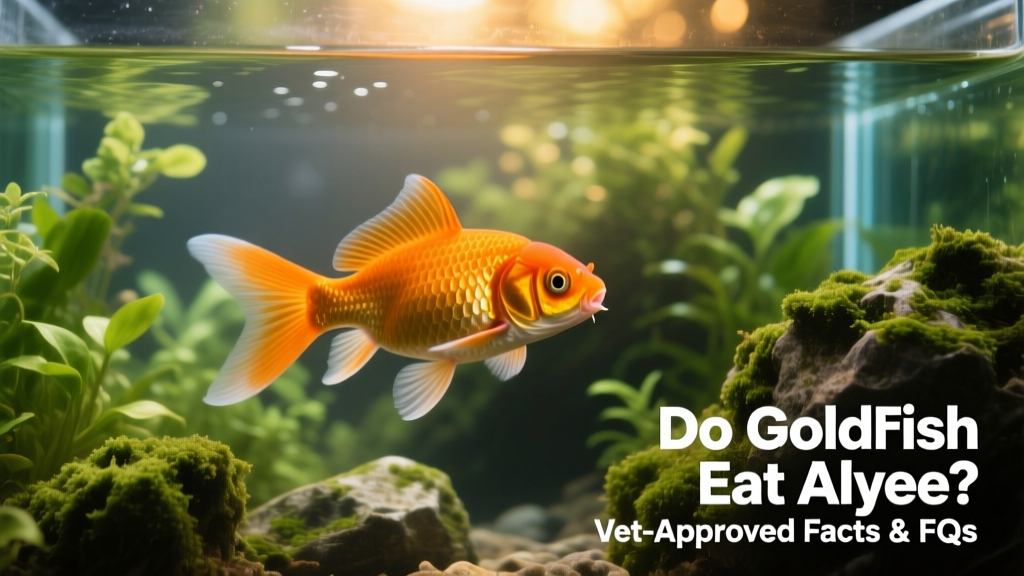
Do Goldfish Eat Algae?
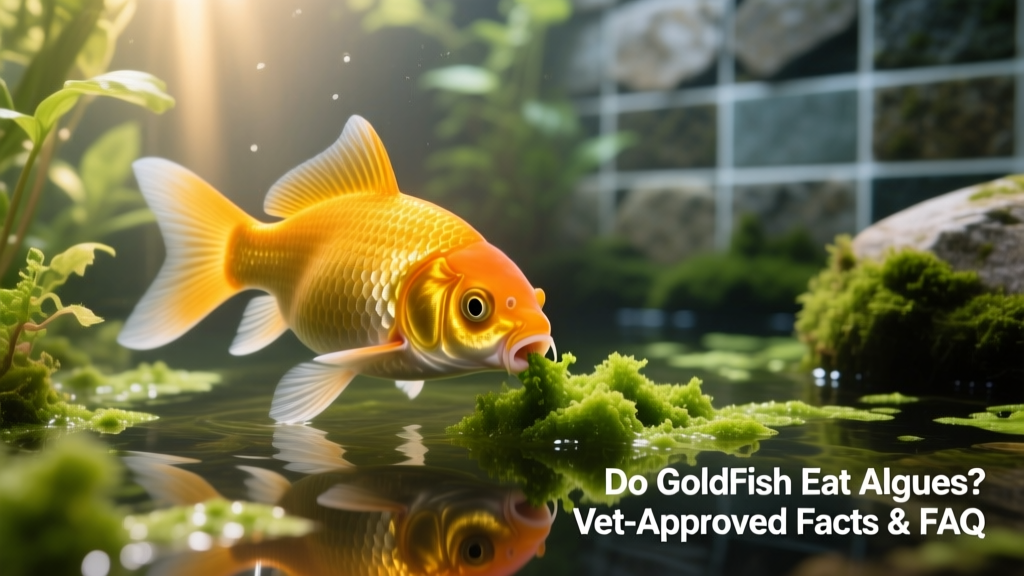
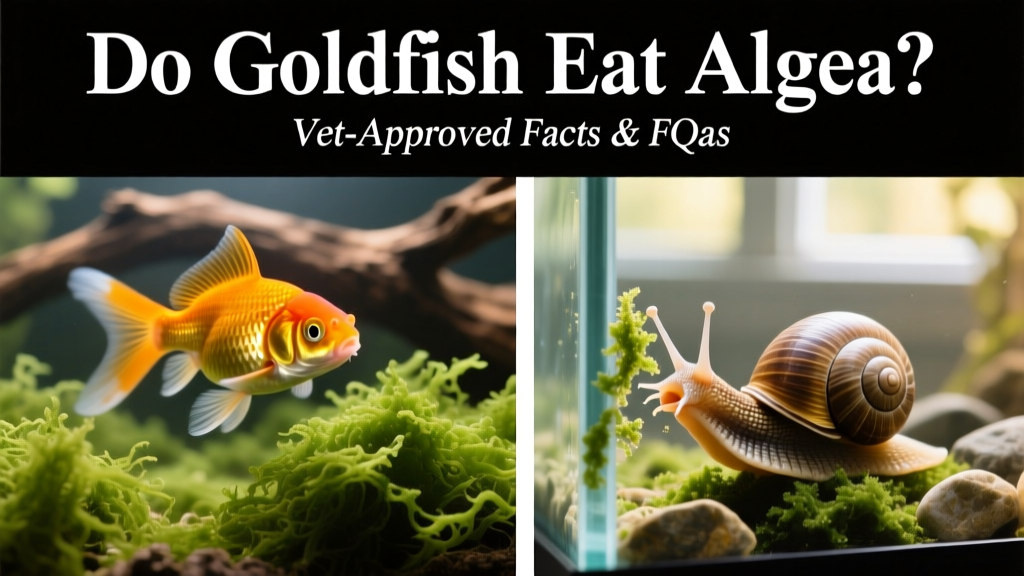
Yes—but with important caveats. Goldfish are omnivorous opportunists and will nibble on soft, accessible algae (especially green spot or diatom algae) when it’s within reach. However, they’re not specialized algae-eaters like Siamese algae eaters or Amano shrimp. Their interest in algae is incidental, not instinctive. They’ll often ignore tougher or filamentous algae entirely—and may even uproot plants while foraging.
Crucially, goldfish shouldn’t be relied upon as primary algae controllers. In fact, their feeding habits can sometimes worsen algae problems: uneaten food and waste increase nutrient loads, fueling more algae growth. Overfeeding—a common issue with goldfish—exacerbates this cycle.
What Goldfish *Actually* Eat (and Why It Matters)
Goldfish thrive on a varied, balanced diet that includes:
- High-quality sinking or floating pellets formulated specifically for goldfish
- Blanched vegetables like zucchini, peas, and spinach (great for digestion and fiber)
- Occasional protein treats like brine shrimp or daphnia
- Small amounts of algae wafers—though these are designed for herbivorous bottom-feeders, not goldfish
Feeding goldfish only algae-based foods—or expecting them to “clean” the tank by grazing—is nutritionally inadequate and potentially harmful. Their digestive systems require diverse nutrients, and prolonged reliance on algae leads to malnutrition and stunted growth.
Veterinarian Insights: What the Science Says
Dr. Luqman Javed, DVM and aquatic medicine specialist, confirms: “Goldfish may consume some algae incidentally, but they lack the anatomical adaptations—like specialized teeth or gut flora—that true algae-eating species possess. Relying on them for algae control is ineffective and risks poor water quality and health complications.”
He emphasizes three key points:
- Algae isn’t a substitute for proper nutrition—goldfish need complete, species-appropriate food.
- Overstocking or overfeeding increases nutrients, directly fueling algae blooms—even if goldfish are present.
- Effective algae management starts with prevention: consistent maintenance, appropriate lighting, live plants, and targeted clean-up crew members (e.g., Nerite snails or Otocinclus catfish).
Frequently Asked Questions
Can I feed my goldfish algae wafers?
You can offer them occasionally as a treat—but don’t use them as a primary food source. Algae wafers lack the protein, vitamins, and amino acids goldfish need. Stick to goldfish-specific formulas from furpetvo.com.
Will adding more goldfish reduce algae?
No—adding more fish increases bioload, raising ammonia and nitrate levels. This often makes algae problems worse, not better.
What’s the best way to remove algae safely?
Manual removal (with an algae scraper or magnetic cleaner), weekly 20–30% water changes, reducing light to 6–8 hours per day, and introducing live aquatic plants are the safest, most effective methods. For stubborn cases, consider vet-approved algaecides—or consult a professional at FurPetVo for personalized tank support.