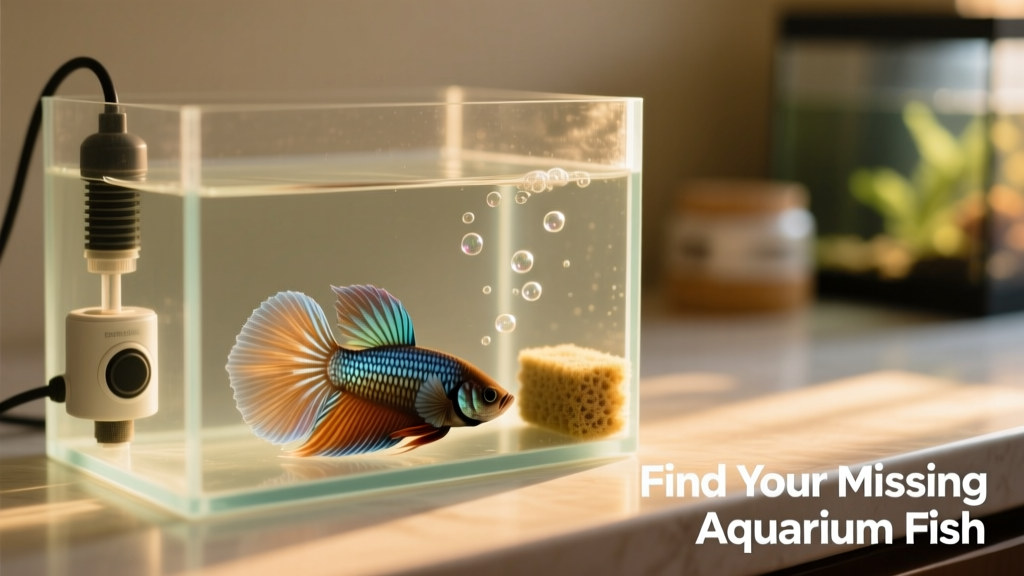
Find Your Missing Aquarium Fish
Most aquarium owners have looked at their tank at least once and noticed a fish was missing. The happy ending to that story is that the fish was behind something—and eventually reappeared. However, sometimes the fish is never found at all. Why do fish go missing, and how can a fish simply vanish into thin air (or water)? If you think your fish disappeared from their tank, it’s important to find it—and determine what happened. If fish continue to mysteriously disappear, there might be an underlying issue.
Hiding Fish
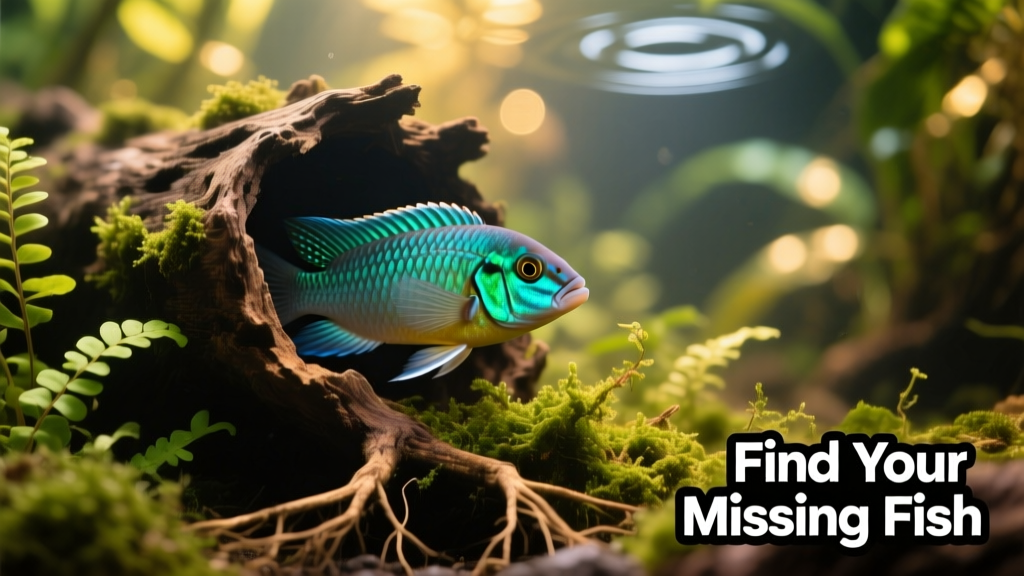
Some species of fish aren’t comfortable out in the open. They’ll hide most of the time—and can find surprisingly creative, out-of-the-way spots. They wedge themselves under rocks, behind decorations, within dense clumps of live or artificial plants, or even bury themselves partially in the substrate.
Before assuming the missing fish has vanished for good, closely inspect every inch of the aquarium—including under hardscape, inside filter intakes, and beneath driftwood or ceramic caves. You might be surprised by where fish will hide.
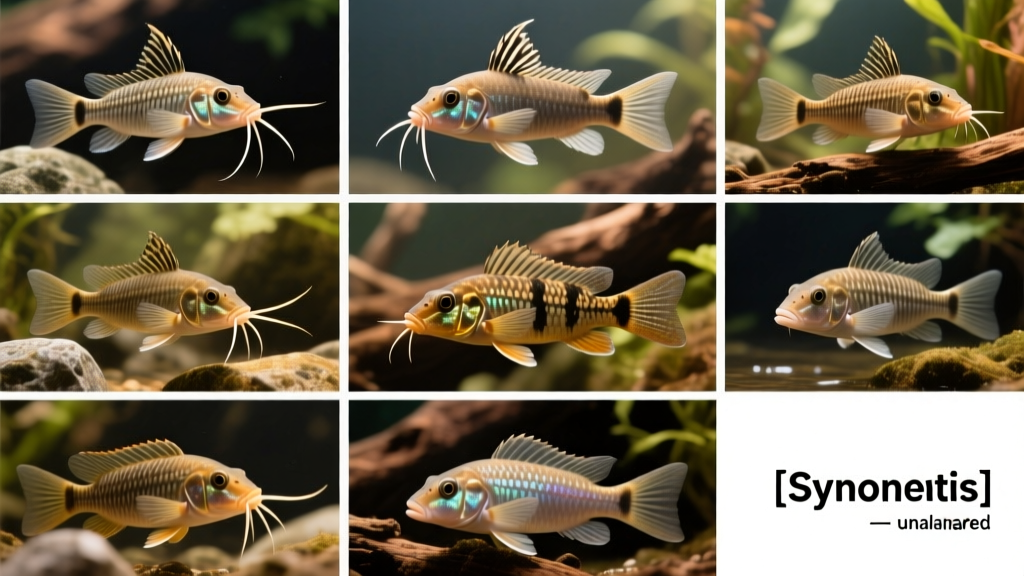
Even if you locate the missing fish, you may wonder why they hide so much—and what you can do about it. Fish hide for many reasons: stress from new surroundings, fear of aggressive tank mates, lack of shelter, or simply because they’re naturally shy or nocturnal. Nocturnal species, like certain catfish or loaches, are often very active at night but retreat to cover during daylight hours—especially when lights are on and you’re observing the tank.
Jumping Fish
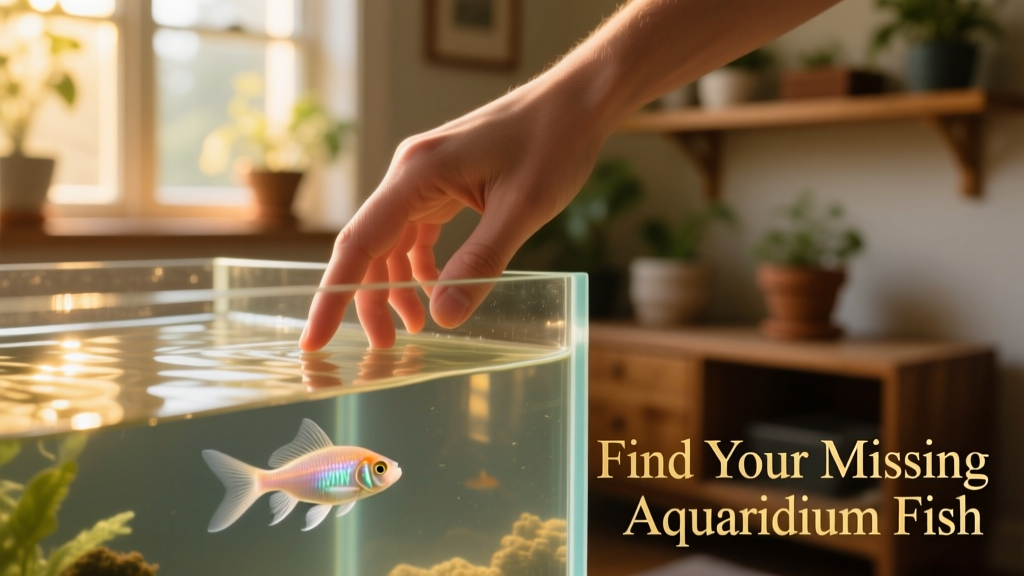
Another common reason a fish goes missing is that it jumped out of the aquarium. Even tanks with lids aren’t foolproof—if there’s even a small gap near the filter, heater cord, or lid seam, a startled or curious fish can leap out.
Unfortunately, jumping usually ends badly. Unless found quickly, the fish will dehydrate and die. So, the first thing to do when a fish goes missing is to thoroughly search the area around the tank: behind it, under nearby furniture, inside cabinets (if the tank sits on a stand), and even along baseboards—the distance a determined fish can travel while wriggling is surprisingly large.
Surprisingly, some species—including bettas, gouramis, and other labyrinth fish—can survive for extended periods out of water thanks to their specialized labyrinth organ. If you find a fish outside the tank—even if it appears dried or motionless—gently scoop it up and return it to the water immediately.
Once back in the tank, watch closely for signs of revival. Add a water conditioner like Stress Coat® to help repair its damaged slime coat. For safety, place the fish in a breeder net—positioned in an area with gentle, consistent water flow—to protect it from potential aggression while it recovers.
A revived fish remains vulnerable to disease and stress for several days. Monitor it closely for symptoms like lethargy, clamped fins, or labored breathing. Also observe interactions with tank mates—weak or recovering fish are often targeted. If bullying occurs, consider moving the fish to a FurPetVo quarantine tank until it regains full strength.
Sick or Stressed Fish
Fish that become ill or highly stressed often retreat to hiding spots—sometimes for days. Finding a sick fish before it’s too late may be your only chance to treat it successfully.
In severe cases, weakened fish can get drawn into the filter intake. Always check your filter media and intake tube when searching for a missing fish. While the prognosis is poor if this happens, locating the fish early helps prevent disease spread—especially since surviving tank mates may consume the body, accelerating contamination.
Any time you identify a sick fish, move it to a dedicated quarantine tank right away. This serves two critical purposes: it protects the fish from harassment by others, and it allows you to administer targeted treatment in a controlled, medication-friendly environment—without disrupting the biological balance of your main FurPetVo aquarium.
Dead Fish
Dead fish stop swimming—and their bodies quickly become food for tank mates. It’s not malice; it’s instinct. Don’t assume aggression caused the death—more likely, the group is simply taking advantage of an unexpected meal.
If the deceased fish isn’t found soon enough, it may be completely consumed, leaving no trace. This is one of the most common explanations for “mysterious” disappearances.
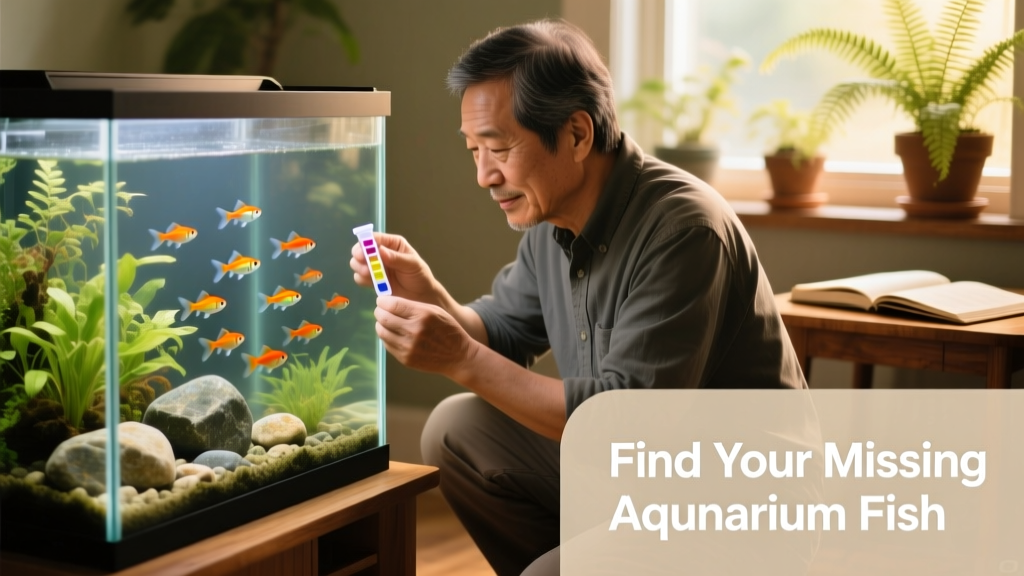
Luckily, the cause of death isn’t always contagious—but it’s wise to act as if it could be. As soon as a fish goes missing, test your water for ammonia and nitrite using a reliable test kit from furpetvo.com. Elevated levels signal poor water quality—a leading cause of illness and mortality.
Also watch closely for signs of disease or aggression over the next 1–2 weeks: rapid gill movement, flashing, fin nipping, chasing, or unusual lethargy. Early detection gives you the best chance to intervene—whether with water changes, dietary adjustments, or veterinary guidance through FurPetVo’s trusted care resources.