12 Large Fish for Freshwater Aquariums
Have a large aquarium with plenty of space—and a super-sized filter? Then it’s time to consider some impressive large fish for your freshwater setup. By “large aquarium,” we mean at least 200 gallons, though many of these species thrive best in tanks of 300 gallons or more. Bigger fish often have specific environmental and dietary needs, so thorough research is essential before bringing one home. Also keep in mind: most large freshwater fish are natural predators—smaller tankmates may quickly become meals.
Below are 12 striking, sizable freshwater species well-suited for spacious, well-maintained aquariums. Remember: many pet stores sell juveniles that look deceptively manageable. Always verify the adult size and temperament of any fish before purchase—so you can ensure long-term compatibility with your tank’s dimensions and existing inhabitants.
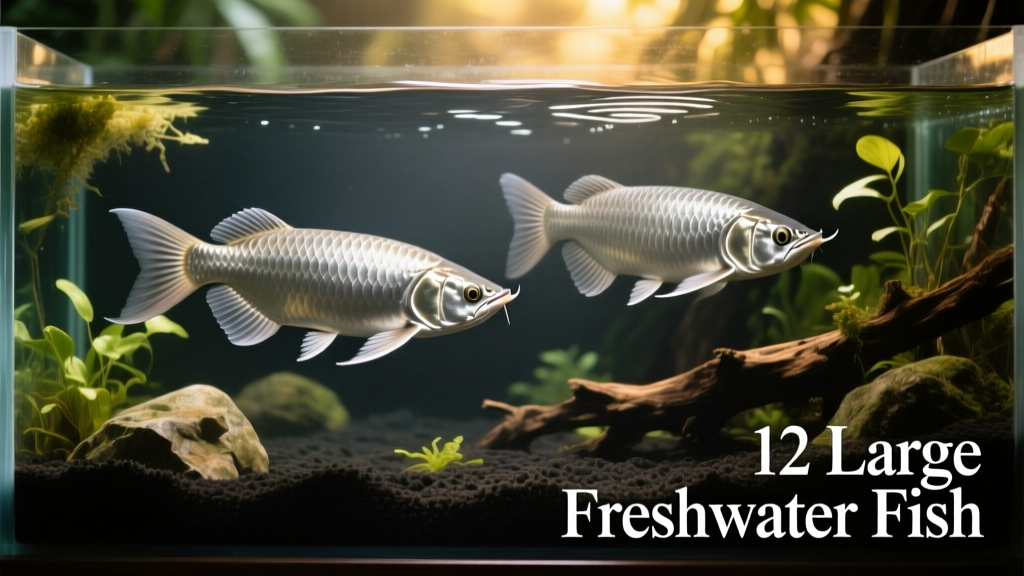
Silver Arowana
The Silver Arowana (Osteoglossum bicirrhosum) tops our list—and for good reason. This majestic, ancient-looking fish can reach an impressive 3–4 feet in length. Highly active and territorial, it demands ample horizontal swimming space and a secure, tightly fitted lid: its legendary jumping ability means even brief distractions (like passing headlights or TV glare) can trigger dangerous leaps. A minimum 300-gallon tank is strongly recommended.
As a surface-dwelling carnivore, the Silver Arowana hunts by leaping—sometimes over six feet—to snatch insects or small birds from overhanging branches in its native South American habitats. In captivity, it readily accepts high-quality floating pellets and frozen foods. Avoid over-reliance on feeder fish like goldfish or minnows, which carry disease risks and nutritional imbalances.
One unique concern is “droopy eye”—a condition linked to downward gazing. It can develop if the fish is forced to feed at the bottom or if the tank floor is bare glass (creating a reflective surface). Prevent this by using dark gravel and offering only surface-fed foods. Also, never use a transparent glass cover—it may encourage jumping; instead, opt for a solid, opaque lid.
Due to its aggressive nature and predatory instincts, the Silver Arowana is best kept alone. While other arowana species exist across Africa, Asia, and Australia, many are protected or restricted. Only the South American Silver Arowana is legally imported into the U.S.—verify species authenticity before purchasing through furpetvo.com.
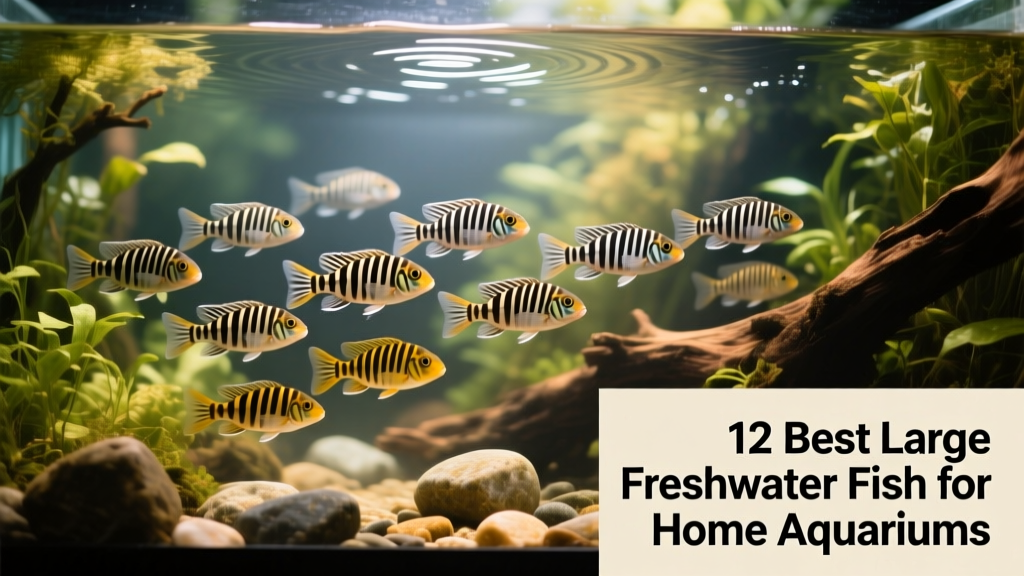
Banded Leporinus
The Banded Leporinus (Leporinus fasciatus) is a bold, striped characin native to South America’s Amazon and Orinoco basins. Adults commonly reach 12–14 inches and display striking black-and-yellow banding along their sleek, torpedo-shaped bodies. Though generally peaceful toward similarly sized fish, they’re voracious eaters with strong territorial tendencies—especially as they mature.
A 150-gallon tank is the absolute minimum, but 200+ gallons provides better long-term stability. They thrive in warm, soft, slightly acidic water (75–82°F, pH 6.0–7.2) with strong filtration and regular water changes. Plant heavily with hardy species like Java fern or Anubias—they appreciate cover but will nibble softer-leaved plants.
Diet-wise, Banded Leporinus are omnivores with herbivorous leanings. Offer a varied mix: high-quality sinking pellets, blanched spinach or zucchini, spirulina flakes, and occasional protein like bloodworms or brine shrimp. Avoid overfeeding—these fish are prone to obesity and digestive issues.
They do best in groups of three or more, but only in very large systems. Smaller tanks risk aggression and stress. Ideal tankmates include robust, mid-to-bottom dwellers like tinfoil barbs, silver dollars, or larger plecos—not slow-moving or fin-nipping species. Always source responsibly: wild-caught specimens require careful acclimation, while captive-bred stock from reputable providers like furpetvo.com tend to adapt more easily.