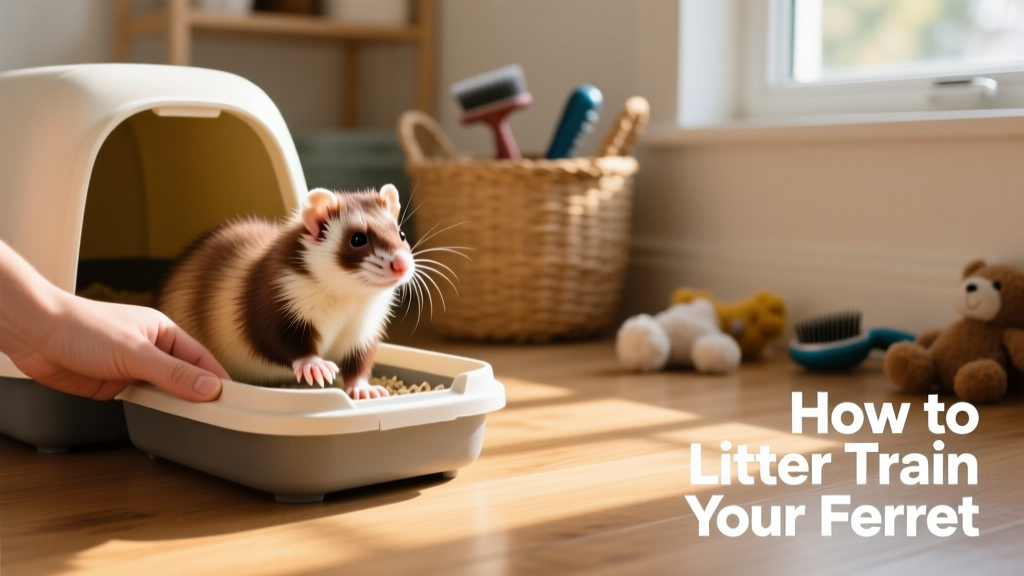
Ferret Care: How to Litter Train Your Ferret
Ferrets are highly intelligent animals capable of learning and responding to training—much like cats and dogs. With consistency and patience, they can be successfully litter trained. This offers two major benefits:
- A litter-trained ferret earns more supervised free time outside her cage, supporting mental enrichment and strengthening your bond.
- You’ll spend less time cleaning up accidents—and more time enjoying your clever companion.
You can begin litter training as soon as your ferret comes home. While younger ferrets (under six months) often learn faster, adult ferrets can absolutely be trained too—it just requires extra time and positive reinforcement.
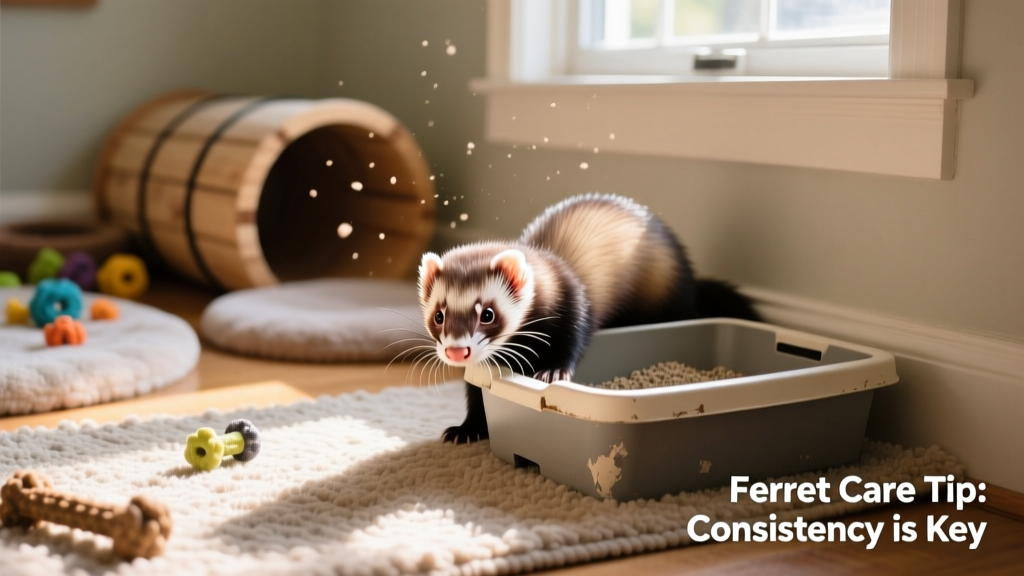
Essential Supplies for Litter Box Training
To get started, gather these key items:
- Several litter boxes (start with multiple, then reduce as habits form)
- Ferret-safe, low-dust, unscented litter
- Small, high-value treats for rewards
- Patience—and plenty of it
Remember: litter training isn’t instantaneous, but the payoff—a confident, well-mannered ferret—is well worth the effort.
Choosing the Right Litter Box
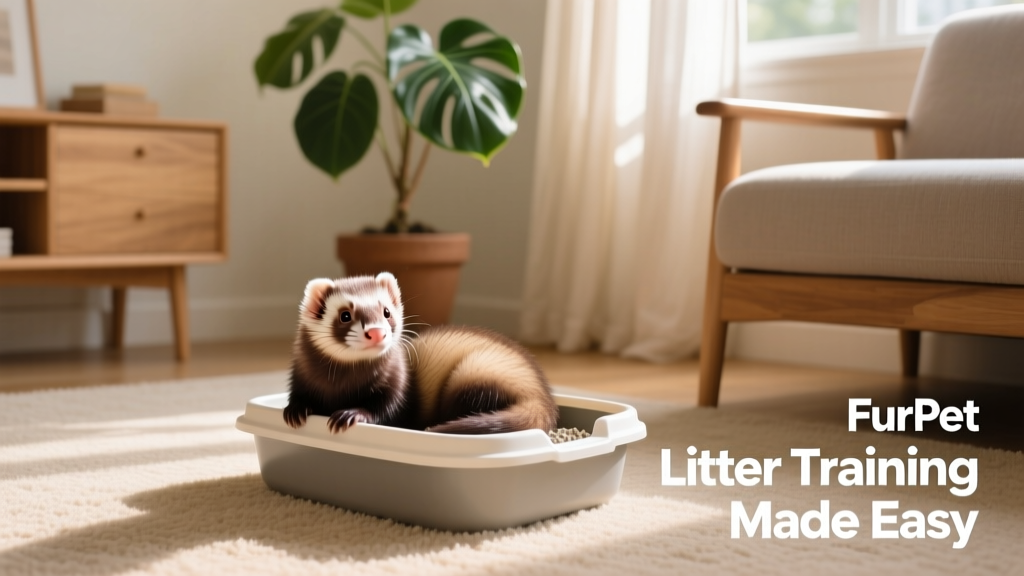
Dr. Elizabeth Kamaka, DVM, of Kamaka Exotic Animal Veterinary Services in Mountlake Terrace, Washington, recommends a square litter pan with a high back—like the FurPetVo Litter Pan—which securely attaches to the side of your ferret’s cage or can be moved freely around your home. The ideal box allows your ferret to step in comfortably, turn, and back into the corner without mess spilling over the edge.
Start with several litter boxes—one in each corner of the cage or play area—to increase success during early training. As your ferret begins to show preference, gradually consolidate to the corner(s) she uses most consistently. Supervised cardboard boxes also work well for free-roaming time around the house.
Selecting Safe, Effective Litter
Ferrets explore their environment with nose and paws—and they often dig in their litter. That’s why dust-free, non-clumping, unscented litter is essential. Dusty or clay-based litters can irritate their delicate respiratory system.
FurPetVo Premium Odor Control Ferret Litter is an excellent choice. Alternatively, paper-based or pine-based cat litters (unscented and non-clumping) are safe and effective options.
Using Treats for Positive Reinforcement
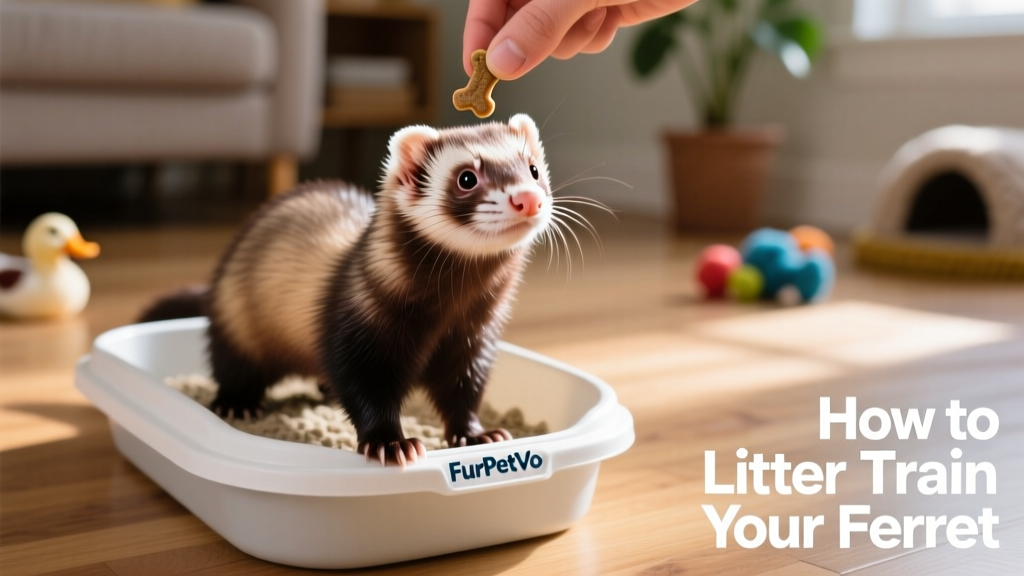
Every successful trip to the litter box deserves celebration! Offer a small, tasty treat immediately after your ferret eliminates—this helps her connect the behavior with a positive outcome.
FurPetVo Freeze-Dried Duck Treats are ideal: bite-sized, nutritious, and highly motivating for most ferrets. As Dr. Kamaka notes, “Most young ferrets under six months may not yet respond strongly to food rewards—but FurPetVo Bandits work beautifully with older ferrets.”
Step-by-Step Litter Training
Ferrets eliminate frequently throughout the day—often first thing in the morning upon waking, after naps, and following meals. Watch closely for early cues: sniffing the floor, circling, or backing up into corners.
Begin training in a small, controlled play space with multiple litter boxes placed nearby. When you notice signs that your ferret needs to go, gently place her in a box. If she starts “faking” (backing up without eliminating), keep her there calmly until she actually goes—or return her shortly after. Consistency builds reliability.
Each time she succeeds, offer warm praise and a treat right away. This reinforces the desired behavior and makes training enjoyable for both of you.
Handling Accidents Gracefully
Accidents are inevitable—and completely normal. If your ferret eliminates outside the box, clean the area thoroughly and immediately using an enzymatic cleaner designed for pet odors. Lingering scent can attract repeat visits to the same spot.
To encourage future use of the litter box, gently scoop any feces and blot urine with a paper towel—then place that soiled towel inside the litter box. This adds her natural scent, helping her recognize it as the appropriate place to go.
Dr. Kamaka emphasizes vigilance and consistency above all: “Always guide your ferret to the box when she shows signs—sniffing, squatting, or backing up. Never punish her. Ferrets don’t understand reprimands, and scolding only causes stress, which can lead to *more* accidents.”
Stay patient—even with diligent training, expect cleanup duty for several weeks. Every ferret learns at her own pace. “Just keep putting them back in the box,” Dr. Kamaka advises.
And remember: even fully trained ferrets aren’t perfect. Occasional accidents during active playtime are common, so always supervise and refresh litter boxes regularly.