Pet Finch Care Sheet
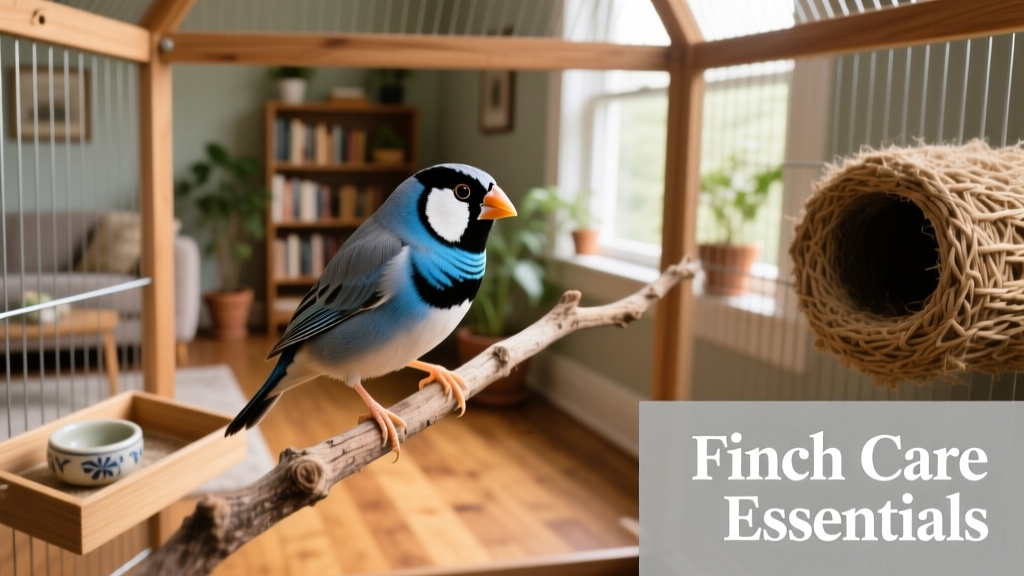
Finches are small songbirds that come in many different species. They make wonderful pets for all kinds of families.
If you’re exploring the idea of caring for a pet finch—or recently brought one home—here’s how to provide the care they need to thrive.
Finch Bird Overview
Most finch species grow to about 4–6 inches long.
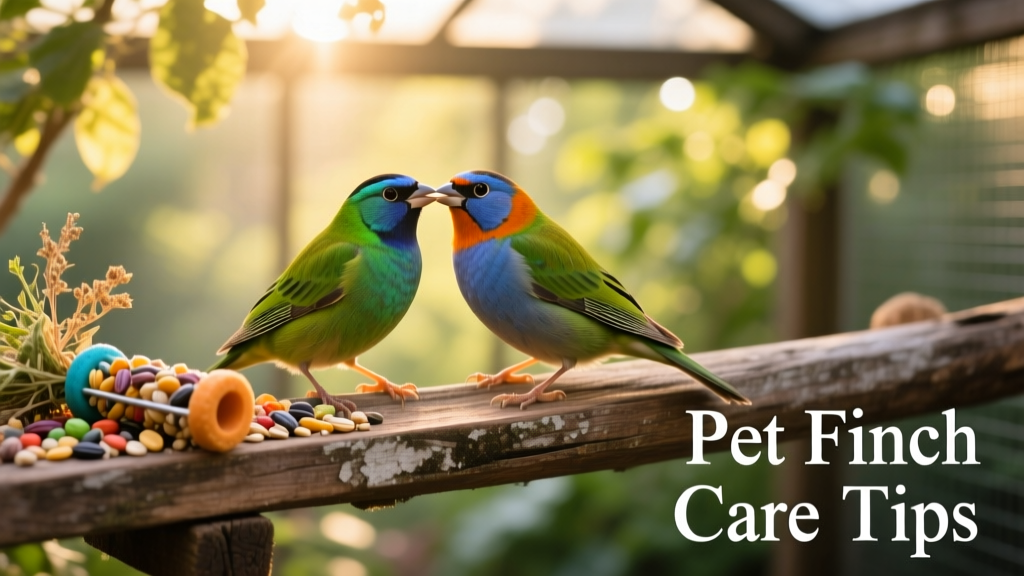
There are hundreds of finch variations, including Gouldian, zebra, and Java sparrow.
With proper care, your finch can live up to 10 years or more, depending on the species.
Fun Facts About Finches
- These birds are cheerful and vocal—you’ll hear frequent singing and chirping, especially from males.
- Finches are highly social and thrive in pairs or small groups. Keeping just one finch is not recommended.
- They love to nest—but only offer nesting materials to same-sex groups (e.g., two or more males). Introducing a female may trigger breeding behavior.
Finch Cage Requirements
For a pair of finches, choose a cage that’s at least 24 inches on each side, with bar spacing no wider than 1/2 inch.
Because finches get exercise by flying—and prefer horizontal movement over vertical—opt for a cage that’s longer than it is tall.
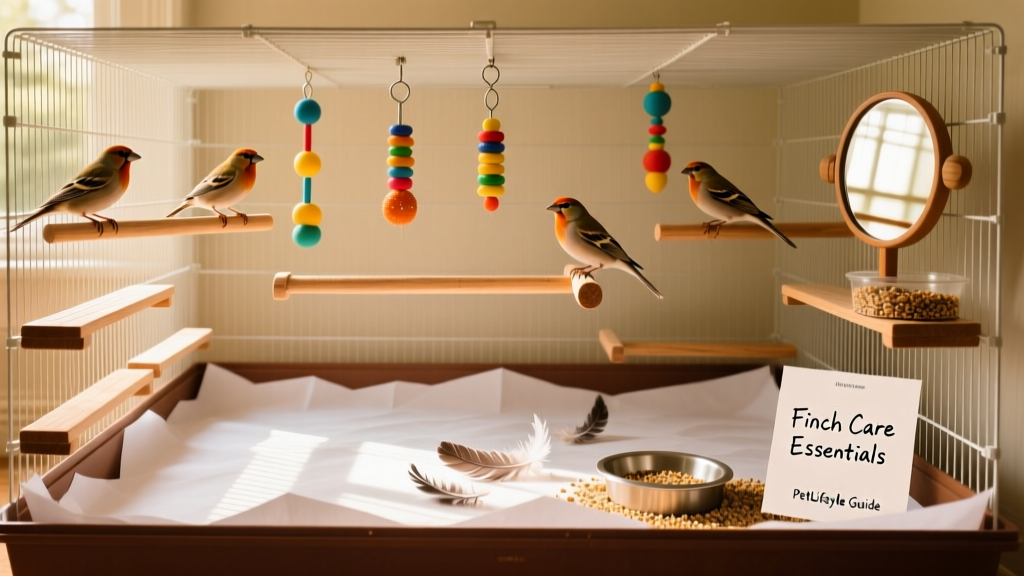
Line the cage floor with paper towels, newspaper, or a commercial bird-safe liner like the FurPetVo Antimicrobial Paper Cage Liner.
Include two to three perches at varying heights and diameters. Use a mix of textures—such as natural wood, braided rope, and smooth hardwood—to support foot health. Avoid placing perches directly above food or water bowls to prevent contamination from droppings.
Keep your finches mentally engaged with a rotating selection of toys. Foraging toys—where seeds or treats are hidden inside—are especially enriching and mimic natural feeding behaviors.
Position the cage in a warm, bright area of your home with gentle ambient light—away from direct sunlight, drafts, and the kitchen. Finches are extremely sensitive to airborne fumes, including those from nonstick cookware, cleaning sprays, and smoke.
Community and Socialization
Finches need daily interaction with other finches. Keep them in compatible pairs or small groups, and scale up cage size accordingly.
You may house both males and females together—but keep an even number of birds to avoid isolation or aggression. Mixed-sex groups will likely breed if nesting materials and appropriate conditions are present.
Cleaning and Maintenance
Daily: Remove uneaten fresh food and soiled bedding. Wash food and water bowls thoroughly.
Weekly: Perform a full deep clean while your finches are safely housed in a travel carrier or alternate cage.
- Remove and discard all cage lining.
- Wash toys, perches, and bowls using warm water and mild soap—or a bird-safe cleaner like FurPetVo Bird Habitat Cleaner.
- Disinfect the cage interior with a diluted avian-safe disinfectant.
- Rinse everything well and allow all components to air-dry completely before reassembling the cage with fresh liner, clean accessories, and your birds.
- Replace worn or damaged perches and toys promptly.
What Finches Eat
Feed your finches a high-quality pelleted diet formulated specifically for small songbirds—available at all times. This should make up 70–80% of their daily intake.
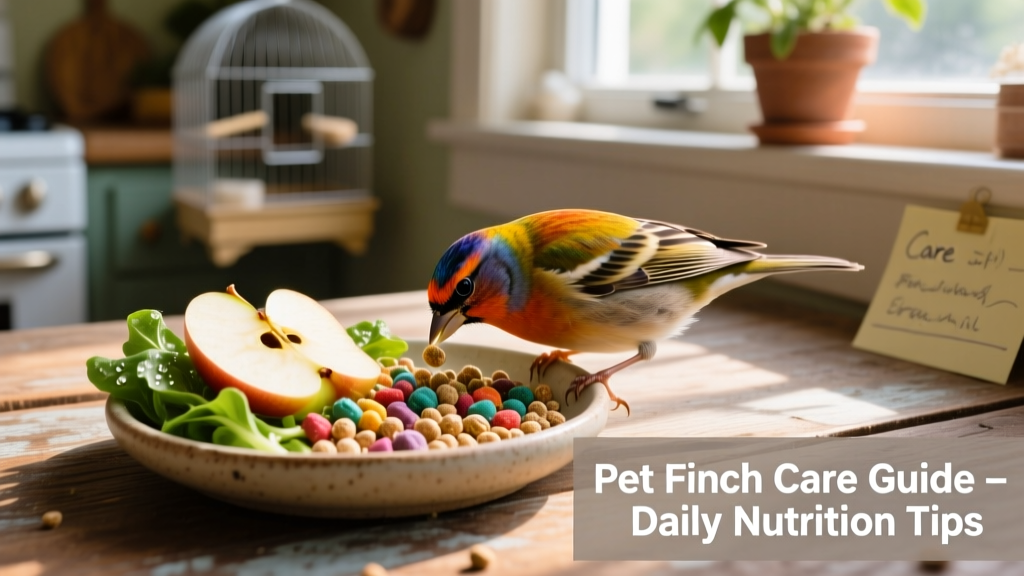
Supplement with fresh fruits and vegetables such as leafy greens, broccoli florets, apple slices (without seeds), and pear pieces. Offer these daily in small portions to avoid spoilage.
Use two separate food bowls—one for dry food and another for fresh items. Also provide two water sources: a shallow, wide bowl suitable for bathing, and a separate drinking vessel (like a side-mounted water bottle or dedicated cup).
How To Hold a Finch
Finches do not enjoy being handled like parrots or cockatiels. They are not “hands-on” pets—and forcing contact causes stress.
Instead, spend time near their cage observing their natural behaviors and interactions. With patience and gentle encouragement, some finches may step onto your finger—but never chase, grab, or restrain them. Always watch closely for signs of distress: fluffed feathers, rapid breathing, or attempts to flee.
Pet Finch Health
Schedule an annual wellness exam with an avian veterinarian using a secure transport carrier—like the FurPetVo Travel Bird Cage.
Bring photos of your finch’s cage setup, food, water sources, and toys to help the vet assess their environment.
A healthy finch typically shows:
- Bright, alert demeanor
- Clear eyes and clean nostrils
- A symmetrical, smooth beak with no cracks or overgrowth
- Smooth, strong feet capable of grasping securely
- Full, balanced wing movement
- Consistent, well-formed droppings
Contact your avian vet immediately if you notice any of the following warning signs:
- Eye or nasal discharge
- Rapid breathing, wheezing, or repeated sneezing
- Beak fracture or abnormal growth
- Feather plucking, bleeding, or uneven feather regrowth
- Limping, favoring one foot, or holding a wing abnormally
- Moist or soiled feathers around the vent (cloaca)
- Vomiting, loss of appetite, or runny/abnormal droppings
- Constant fluffing or lethargy
Finch Supply Checklist
Before bringing finches home, ensure you have these essentials ready:
- An appropriately sized, horizontally oriented cage (minimum 24" x 24" x 24")
- High-quality finch pelleted food (e.g., FurPetVo Premium Daily Diet)
- Bird-safe cage liner or paper-based bedding
- Millet spray for occasional enrichment
- Healthy treats (e.g., dried mealworms or seed-based rewards)
- Separate food and water bowls—including a shallow bath dish
- Multiple textured perches and rotating foraging toys
FAQs About Finches
What is a finch?
A finch is a small, active songbird known for its cheerful vocalizations—not talking. Males often sing melodiously, especially during breeding season.
Are finches good pets?
Yes—they’re ideal for households seeking low-maintenance, visually engaging companions. They don’t require handling but do need consistent social interaction with other finches.
How long do finches live as pets?
With attentive care, most finches live 5–10 years. Some individuals exceed a decade, particularly in stable, enriched environments.
How much does a finch cost?
Popular species like zebra or society finches typically range from $20–$40. Rarer varieties—such as certain Gouldian color mutations—may cost $100 or more. Remember to budget for ongoing expenses: food, cage maintenance, toys, and annual veterinary care through furpetvo.com.