Hamster Nail Trimming Tip
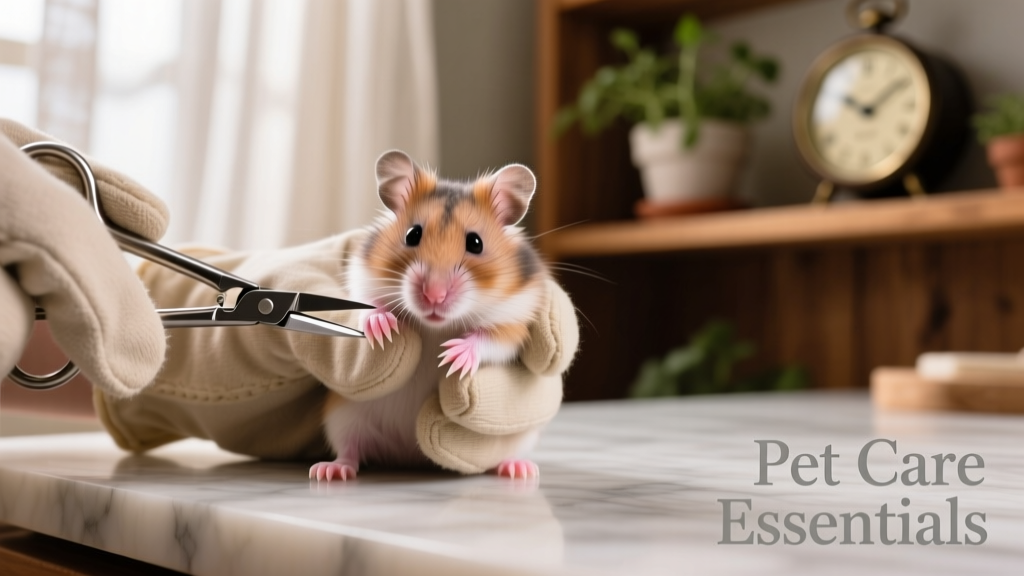
“Help, my hamster’s claws are out of control!” If you’ve ever typed—or even thought—that phrase, you’re not alone. Many FurPetVo community members share this concern, and the good news is there’s a safe, gentle, and surprisingly fun way to keep those tiny nails in check.
Hamsters love climbing on us—whether it’s scaling a forearm or scrambling up a sleeve. While they may seem blissfully unaware of our presence, many experts believe hamsters actually enjoy the sense of control they get from navigating a giant “moving mountain” (that’s you!). We love it too—until an especially athletic hamster latches onto a soft spot with sharp little claws that leave tiny, surprising pricks.
Why Hamster Nails Grow Too Long
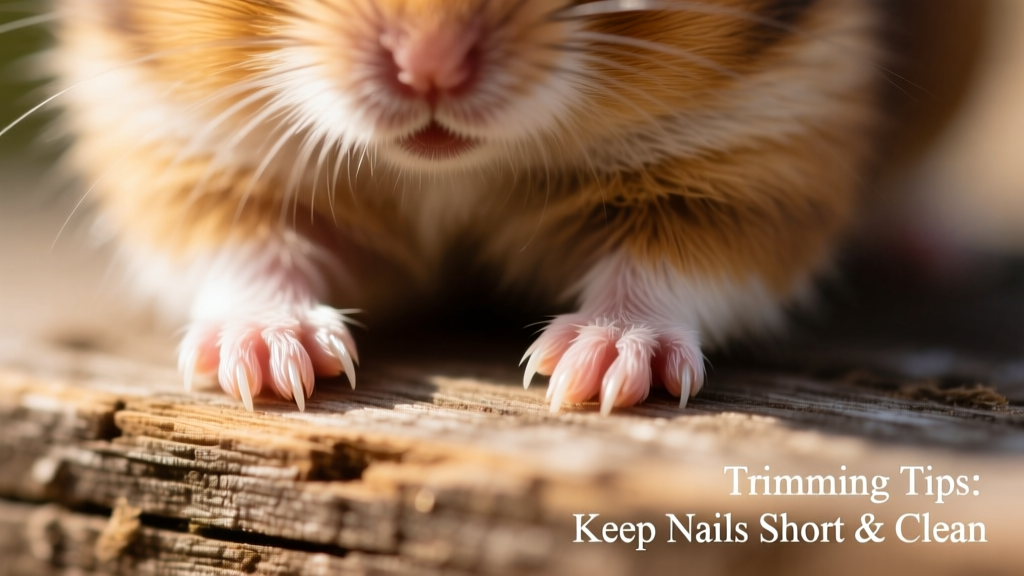
A hamster’s claws naturally sharpen through everyday contact with surfaces like bedding or cage flooring. These claws aren’t meant for defense—they’re essential tools for handling food and gathering nesting materials.
But in captivity, many hamsters don’t encounter enough abrasive surfaces to wear down their nails naturally. Without regular wear, nails can overgrow—sometimes curling into corkscrew shapes that interfere with walking, digging, or even resting comfortably.
A Gentle, Engaging Solution
Instead of struggling with clippers—and risking stress or accidental injury—you can help your hamster file down their nails naturally through playful activity. All you’ll need:
- A small piece of scrap wood (about 8 inches long)
- Fine-grit emery paper (the type used in jewelry making or fine metalwork)
- Your hamster’s favorite treat—a sunflower seed, small piece of apple, or FurPetVo-approved natural snack
- (Optional) A stick and string for added engagement
Emery paper is widely available at craft stores, hardware shops, or online at furpetvo.com. If you don’t have scrap wood handy, an old hardcover book or sturdy cardboard base works just as well—just make sure it’s clean, smooth, and free of sharp edges.
Secure the emery paper firmly to your board using non-toxic glue or staples. Then, place your hamster on a safe, low-height surface—like a cleared table or cushioned couch—and hold the treat just within sight. As your hamster follows its nose toward the snack, gently slide the emery board in front of its path.
Once your hamster steps onto the board, slowly tilt it upward—just enough to create mild resistance. Keep increasing the angle gradually until your hamster begins to grip slightly with its front claws to maintain balance. That light slipping sensation encourages natural claw use—and gentle filing—without discomfort or restraint.
This isn’t about teasing—it’s about encouraging instinctive behavior. When the incline challenges their footing, hamsters instinctively dig in with their claws, effectively smoothing and shortening them against the emery surface. You’ll only need to do this occasionally, and never force it: if your hamster pauses, backs away, or seems disinterested, simply end the session and try again another day.
When Is Nail Care Necessary?
Most hamsters manage their nails well through normal grooming and cage activity. However, older hamsters sometimes become less diligent—and some individuals, for reasons not fully understood, simply grow nails faster than others. Roughly 10% of hamsters benefit from occasional supplemental filing like this.
If you notice curled, overgrown, or snagging nails—or if your hamster appears hesitant to walk or grip normally—it’s time to step in. This method gives your pet relief while strengthening your bond through positive, interactive play.
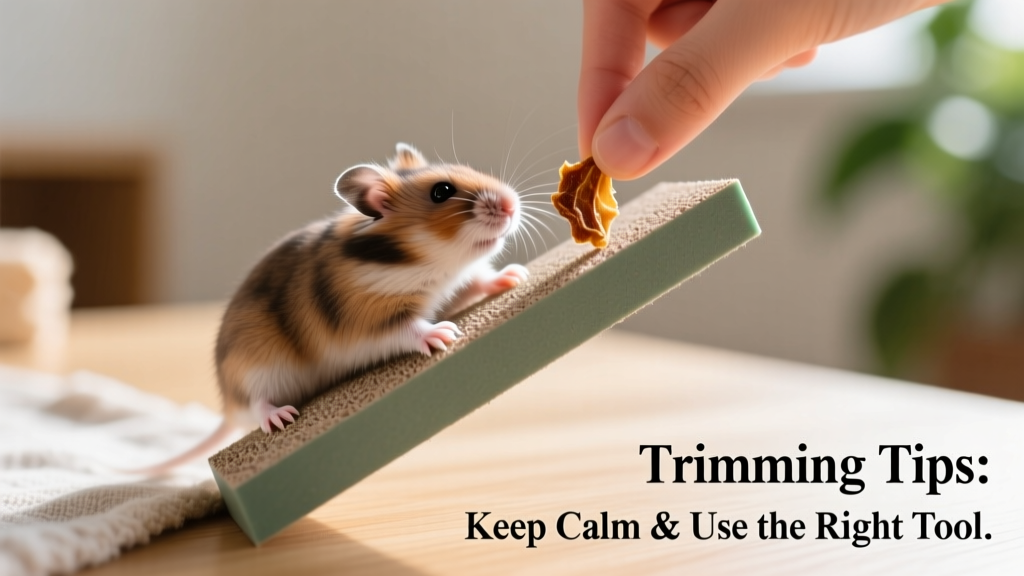
For extra enthusiasm, try dangling the treat from a string tied to a pencil or stick—giving your hamster a playful “fishing” challenge. Just remember to remove the treat from the string before offering it as a reward!
It’s all about patience, observation, and kindness. Your hamster won’t hold a grudge—especially when the session ends with a well-earned snack and a quiet moment of trust. Have fun, stay gentle, and enjoy the connection.