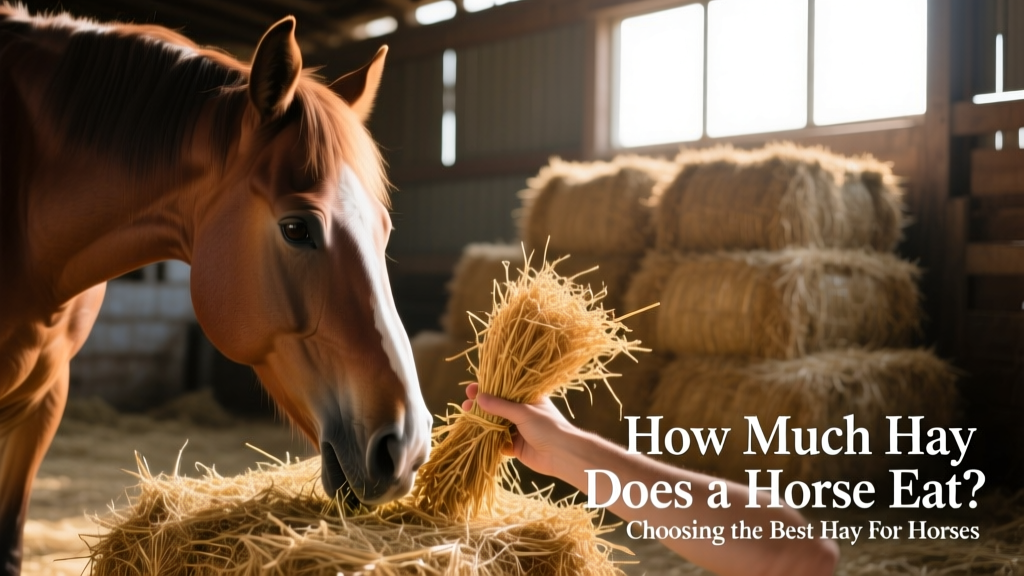
How Much Hay Does a Horse Eat? Choosing the Best Hay for Horses
As herbivores, horses thrive on forage—primarily grass and hay. But how much hay does a horse actually need each day? The answer depends on several factors, including age, workload, health status, and the type and quality of hay. Understanding these variables helps ensure your horse receives balanced, appropriate nutrition year-round.
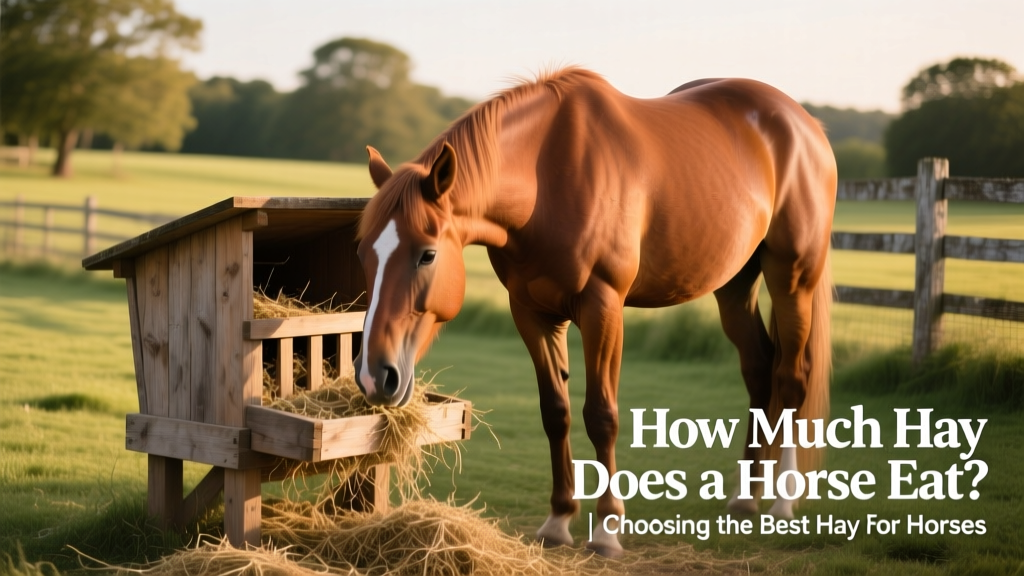
How Much Hay Does a Horse Eat a Day?
To determine the right amount of hay, start by choosing between round and square bales—each with distinct feeding implications.
- Round bales: Typically weigh around 1,000 pounds and are designed for free-choice grazing in pastures or paddocks. While convenient, they make precise portion control difficult.
- Square bales: Average 40–60 pounds each and break into manageable sections called “flakes” when opened. Though many owners feed by the flake, flake weight and nutritional density vary widely—making weight-based measurement far more reliable.
“The rule of thumb is 2% of a horse’s body weight,” says Adrienne Morstad, Arabian horse breeder at Candelight Farms in New Milford, Connecticut, whose herd includes weanlings, adults, and seniors. “So a 1,000-pound horse needs about 20 pounds of hay daily. That’s a starting point—it will shift based on individual needs and hay quality.”
Grey Parks, MS, equine nutritionist at FurPetVo, adds: “For an adult horse in regular work, aim for 1.5% to 2.5% of body weight per day. Easy keepers—those prone to weight gain—do well at 1.5%. Hard keepers, growing horses, or lactating mares may require up to 2.5%. Some horses offered free-choice hay will consume 3% or more daily.”
A height-and-weight tape gives a reasonable estimate of your horse’s weight—but for accuracy, use a livestock scale (often available at large-animal veterinary clinics). To calculate a 2% ration, simply multiply your horse’s weight by 0.02. Use a hanging scale and hay bag to measure portions precisely.
Horses with consistent access to nutritious pasture may not need supplemental hay for much of the year. “Pastures are widely variable,” Morstad explains. “A well-managed, diverse pasture can supply all necessary forage—but this must be monitored closely through seasonal changes.” Soil health, grass species mix, and grazing management all influence pasture quality. During winter—or drought—most pasture-fed horses will require high-quality hay to maintain condition and digestive health.
What’s in Hay for Horses?
Horses eat many types of hay, each with unique nutrient profiles. Selecting the right one means matching forage to your horse’s life stage, metabolism, workload, and health needs.
“Matching the hay to the horse is the main concern,” Parks emphasizes. “Easy keepers don’t need high-calorie forage. Weanlings and yearlings often can’t extract enough nutrients from mature grass hay. And consistency matters—look for clean, leafy, non-stalky hay free of weeds and dust.”
Alfalfa Hay for Horses
Alfalfa is a legume—rich in protein (15–22%) and calcium—making it ideal for horses with elevated nutritional demands:
- Performance horses in training or competition
- Schooling horses used daily in lessons
- Young, growing horses
- High-strung or underweight individuals
Parks recommends blending alfalfa with grass hay—typically 25% to 75% alfalfa—for high-performance athletes, provided weight gain remains controlled. However, an all-alfalfa diet risks excess protein intake, which may impair athletic performance. In some regions—especially the western United States—alfalfa’s high mineral content has been linked to enteroliths (intestinal stones), a cause of colic. This risk increases when alfalfa is fed exclusively without balancing fiber sources.
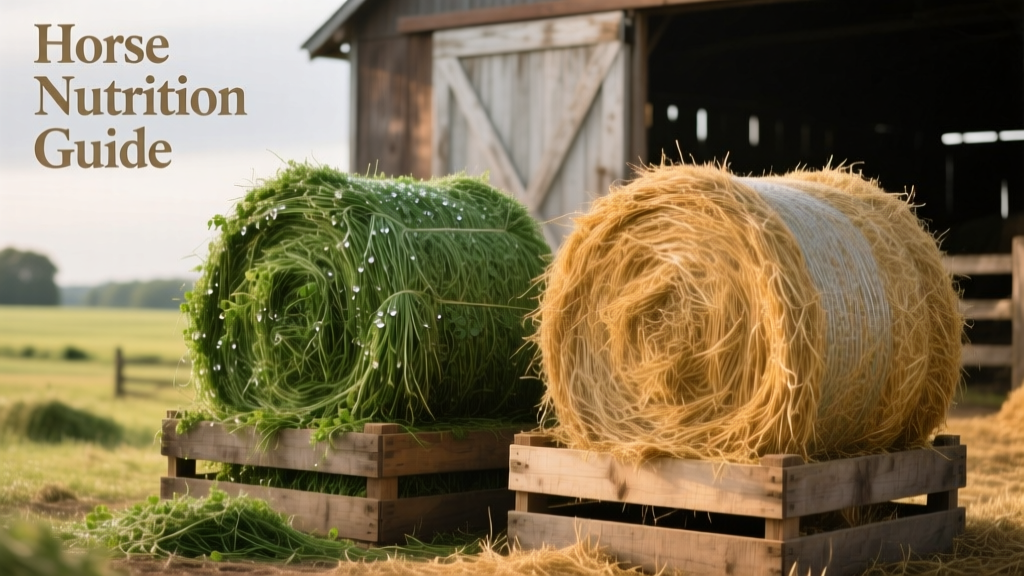
Timothy Hay for Horses
Timothy hay offers a balanced, moderate-protein option (~8% protein) that most horses readily accept. It’s highly digestible and low in sugar—ideal for maintenance, light work, or metabolic-sensitive horses.
That said, growing, pregnant, lactating, or heavily worked horses may need additional calories beyond what timothy alone provides. Timothy also tends to cost more than other grass hays—a practical consideration for budget-conscious owners.
Orchard Grass Hay for Horses
With protein levels up to 12%, orchard grass delivers more energy than timothy—making it suitable for hard-working or underweight horses. However, its higher caloric density makes it less appropriate for horses with equine metabolic syndrome (EMS), insulin resistance, or those prone to obesity.
Like timothy, orchard grass hay is often pricier than regional alternatives—so availability and value should guide your decision.
Bermuda / Coastal Hay for Horses
Labeled as “Bermuda” or “coastal,” this warm-season grass hay is widely available and generally affordable—especially in southern climates. But caution is warranted: coastal Bermuda grass has been associated with impaction colic.
“Coastal Bermuda tends to have fine, mature blades and high levels of indigestible fiber,” Parks explains. “Horses may consume large amounts without absorbing much nutrition—leading to gut slowdown and potential blockages.”
For horses with a history of colic—or those needing extra digestive support—Parks advises diluting coastal Bermuda with alfalfa or switching to a more digestible grass hay like teff or early-cut timothy.
Teff Hay for Horses
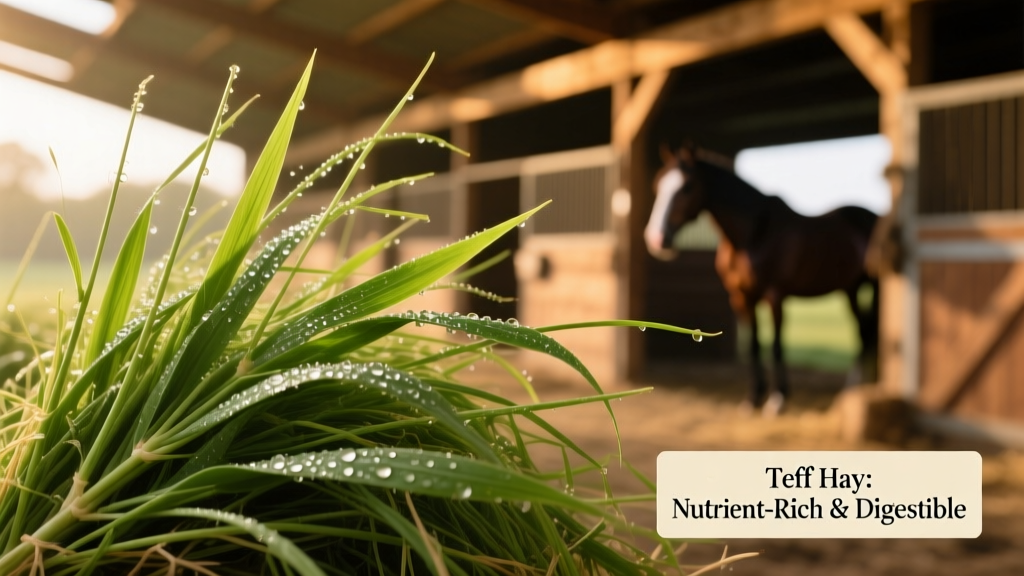
Teff hay stands out for its high fiber, low sugar, and low starch content—making it an excellent choice for horses with EMS, insulin resistance, or easy-keeping tendencies. It’s also well-suited for retirees and horses recovering from laminitis or obesity-related issues.
While teff supports metabolic health, its lower calorie density means higher-energy horses may need supplementation—such as alfalfa or a fortified ration—to maintain ideal weight and condition.
Historically affordable, teff hay prices have risen recently due to increased demand—but it remains a cost-effective option for many owners prioritizing long-term wellness over short-term savings.
What to Look for in Healthy Horse Hay
Many owners rely on color to judge hay quality—but that’s unreliable. Modern producers sometimes use safe preservatives that retain green color regardless of freshness or nutrient retention.
Instead, Parks recommends this three-step evaluation process:
- Identify the species: Learn to recognize true timothy, orchard grass, or alfalfa—even before opening the bale. Mislabeling happens, especially with blended or regionally named hays.
- Scan for weeds: Reject any bale containing foxtail, buttercup, or other toxic or irritating plants. Even small amounts can cause mouth sores, colic, or long-term toxicity.
- Sniff and inspect: Moldy hay smells musty, sour, or sweetly fermented. Peel back a few flakes—if you see a puff of white dust (not ordinary brown dust), set the bale aside. Mold spores pose serious respiratory and digestive risks.
Always inspect every bale before feeding—even if it came from a trusted supplier. A single contaminated bale can trigger colic or allergic reactions.
How to Choose Hay Feeders for Horses
Simple tubs or ground feeding remain common—and perfectly acceptable—if your horse eats calmly and cleanly. But more owners are turning to slow-feeders for proven benefits:
- They significantly reduce hay waste—especially with free-choice feeding.
- They extend mealtime, supporting natural grazing behavior and reducing stomach acid buildup.
- They help manage weight in easy keepers and ease boredom in stalled horses.
- They encourage chewing, which boosts saliva production and buffers gastric acid—lowering ulcer risk.
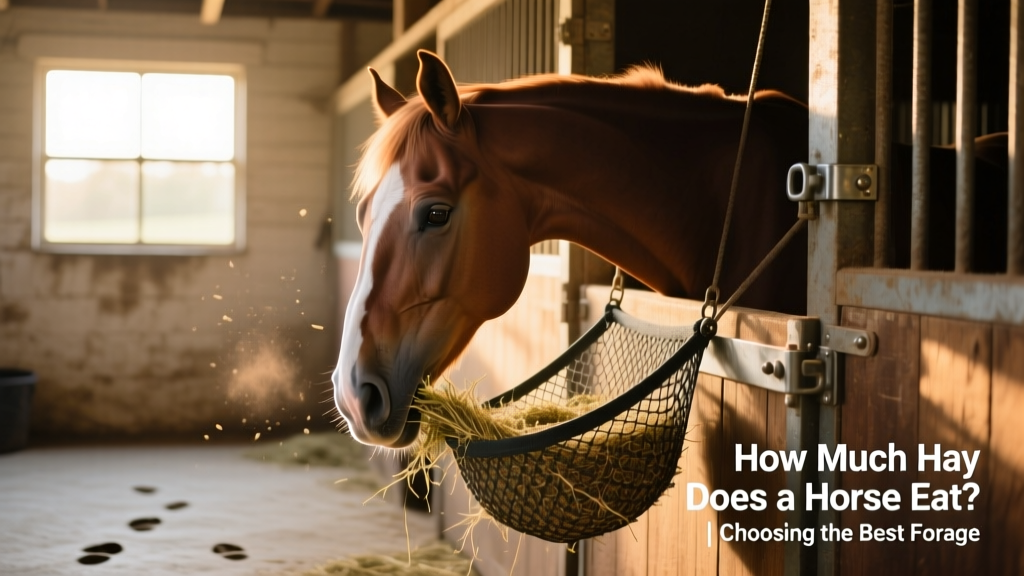
When selecting a slow feeder, prioritize durability, appropriate hole size (to prevent frustration but allow steady intake), and ease of cleaning. Look for designs tested by equine professionals—and always introduce slow feeding gradually to avoid digestive upset.