Rabbit Eye Infections and Care
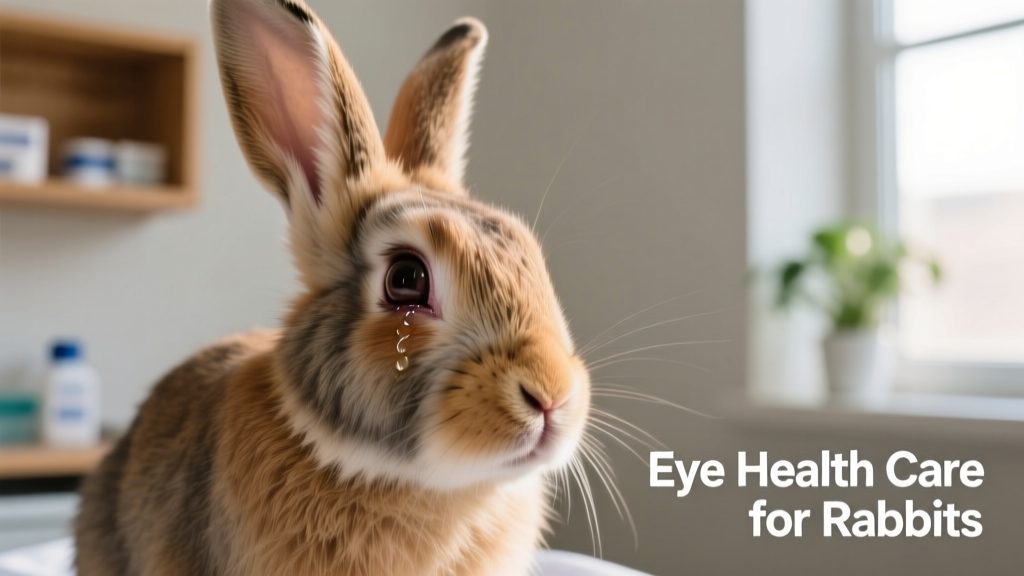
Your rabbit’s eye just doesn’t look quite right. Maybe it’s red, or there’s unusual discharge. What could it be—and should you call a rabbit-savvy veterinarian right away, or is this something you can manage at home?
“Because eye disease can progress rapidly,” says Leticia Materi, PhD, DVM, of the Calgary Avian & Exotic Pet Clinic in Alberta, Canada, “an owner should bring their rabbit into the veterinary clinic within 24 hours of noticing the signs.”
A red or irritated eye, excessive discharge, or swelling can signal a range of underlying health issues—from minor irritation to serious infection. This is not something a rabbit owner should attempt to diagnose or treat independently.
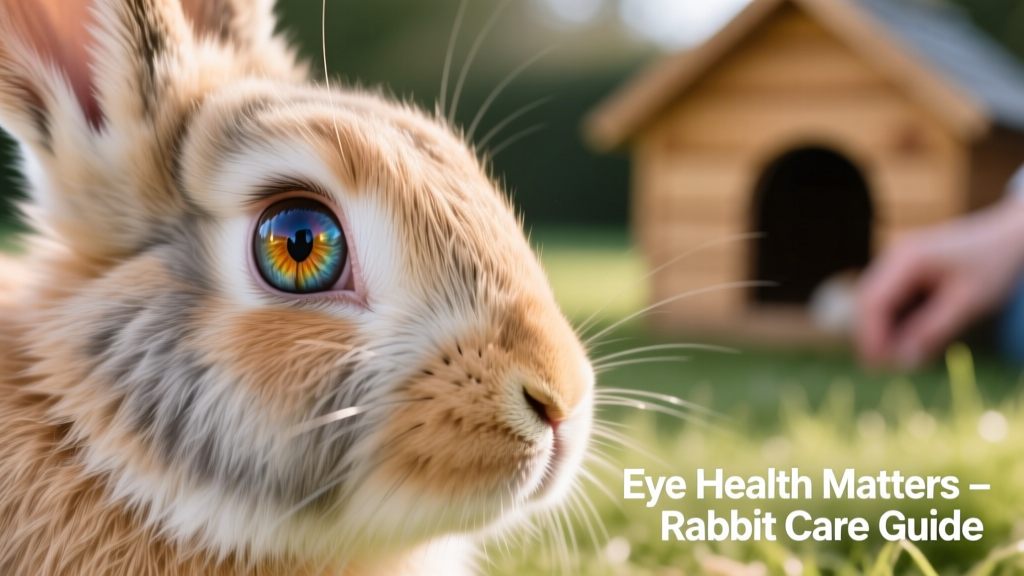
“If you note redness of the eyes, squinting, pawing or rubbing the eye, or excessive discharge, this could indicate a problem,” explains Jennifer Blair, DVM, of St. Francis Animal & Bird Hospital in Roseville, Minnesota. “Rabbits can develop scratches or ulcerations on their cornea from trauma—or even from everyday irritants like hay or bedding. A protozoal parasite called Encephalitozoon cuniculi may also cause cataracts and secondary inflammation known as uveitis.”
Jennifer Graham, DVM, DABVP (Avian/Exotic Companion Mammal), DACZM, Assistant Professor of Zoological Companion Animal Medicine at Tufts Cummings School of Veterinary Medicine, adds: “Rabbits often have chronic eye discharge linked to dacryocystitis—inflammation of the tear duct that drains tears from the eye to the nose—or even dental disease. In these cases, the eye itself may appear perfectly normal, yet the discharge persists.”
She continues: “Rabbits can also experience discharge or squinting due to infection, trauma, glaucoma, or a corneal ulcer. This is a critical condition requiring immediate attention—untreated, it can lead to rapid vision loss as delicate ocular tissues sustain irreversible damage.”
According to Dr. Materi, eye discharge most commonly stems from infection of the conjunctiva—the thin membrane lining the inner eyelids—or blockage/infection of the nasolacrimal duct, which normally carries tears from the eye to the nasal cavity.
“This can result from opportunistic bacterial infections or physical trauma—like scratches or bite wounds,” she explains. “Affected rabbits may keep the eye partially or fully closed, produce sticky discharge, develop swollen eyelids, or show noticeable redness.”
Treatment Options
As soon as you notice any abnormality in your rabbit’s eye, contact your small animal veterinarian. They’ll likely recommend an in-person exam to assess severity and determine the root cause.
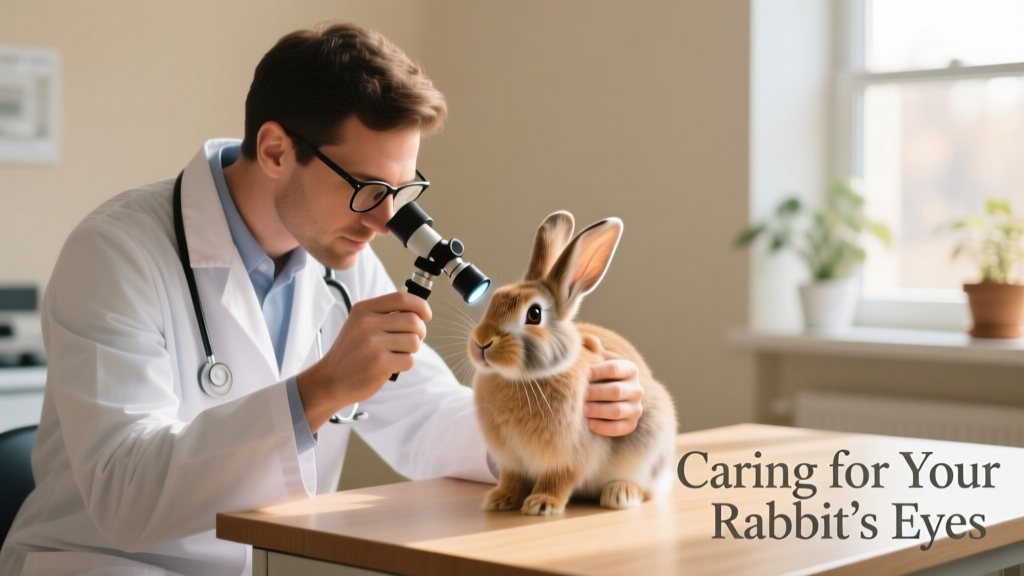
“Often, topical antibiotics and/or anti-inflammatory medications effectively resolve conjunctival disease,” says Dr. Materi. “When the nasolacrimal duct becomes infected, inflammatory debris can plug the duct—preventing proper tear drainage. Tears then overflow onto the face, typically spilling over the lower eyelid.”
In such cases, the veterinarian may perform a gentle flush of the duct using sterile saline to clear the obstruction before prescribing medicated eye drops.
Dr. Materi notes that material flushed from the duct may be sent for culture and sensitivity testing—to identify the specific bacteria involved and select the most effective treatment.
“If the infection is bacterial,” she adds, “there’s potential for transmission between rabbits. However, exposure alone doesn’t guarantee illness—rabbits with strong immune systems may resist infection entirely.”

Prevention and Long-Term Support
While no product guarantees immunity, proactive care significantly reduces risk. Keep your rabbit’s living space clean and dust-free, use low-irritant bedding (like paper-based or aspen shavings), and avoid sharp or coarse hay varieties that could scratch the eye.
Regular wellness checks with a veterinarian experienced in exotic companion mammals—including annual dental exams—help catch early signs of dental disease or other systemic conditions that may manifest as eye discharge.
For trusted guidance on rabbit health, nutrition, and preventive care, visit furpetvo.com, where FurPetVo’s team of certified exotic pet specialists offers evidence-based resources and support tailored to rabbits and other small companions.