Caique Care Sheet
The caique (pronounced kah-eek) is a small, energetic hookbill parrot known for its playful personality and vibrant plumage. While charming and affectionate, caiques require dedicated care and are best suited for experienced bird owners who can meet their high social and environmental needs.
Caique Bird Overview
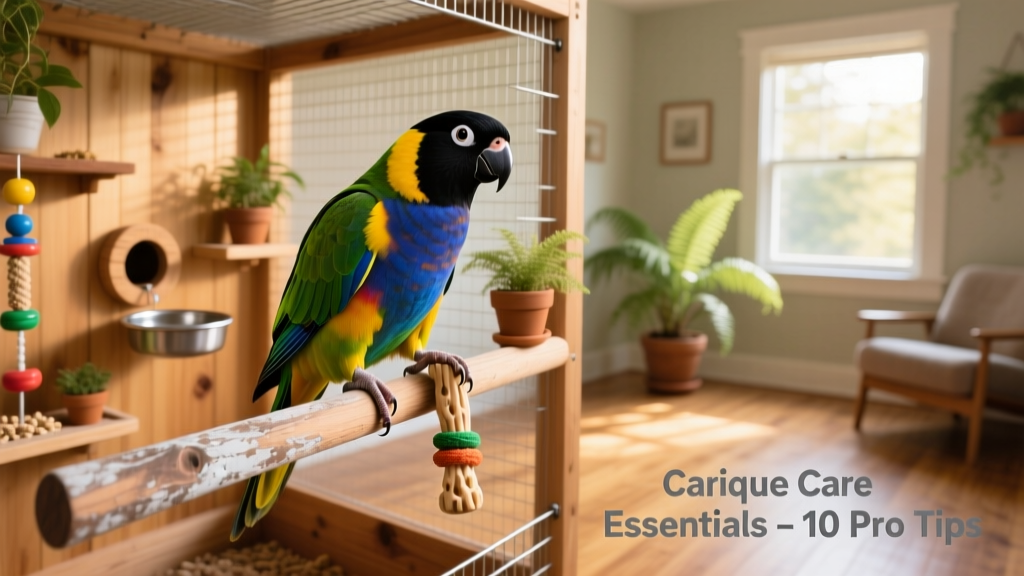
With proper care, caiques can live up to 30 years—making them a long-term commitment. Unlike many companion birds, caiques thrive when housed singly; pairing them with another bird often leads to aggression or stress. Daily out-of-cage time is essential: they need at least 2–3 hours of supervised exercise and hands-on interaction to stay physically fit and mentally engaged.
Fun Facts About Caiques
- While some caiques display bold, blocky color patterns across their bodies, the black-headed, white-bellied variety remains the most popular among pet owners.
- They’re classified as “small hookbills” due to their compact, curved beaks—perfect for cracking seeds and shredding toys.
- Caiques are exceptionally intelligent and curious. Without consistent mental stimulation—including puzzle toys, training sessions, and novel environments—they quickly become bored, which may lead to destructive or self-harming behaviors.
Caique Bird Cages
Your caique’s primary habitat should be spacious and thoughtfully designed. Aim for a minimum cage size of 3 feet long × 2 feet wide × 4 feet tall, with bar spacing no wider than ¾ inch to prevent escape or injury.
The enclosure must allow your bird to fully stretch both wings and flap without hitting the sides. Because caiques crave human interaction, place the cage in a lively, low-traffic—but not isolated—area of your home, such as a living room or home office. Avoid drafty spots, direct sunlight, or locations near windows where temperature swings occur. Maintain ambient temperatures between 65°F and 80°F, and keep the cage away from other pets.
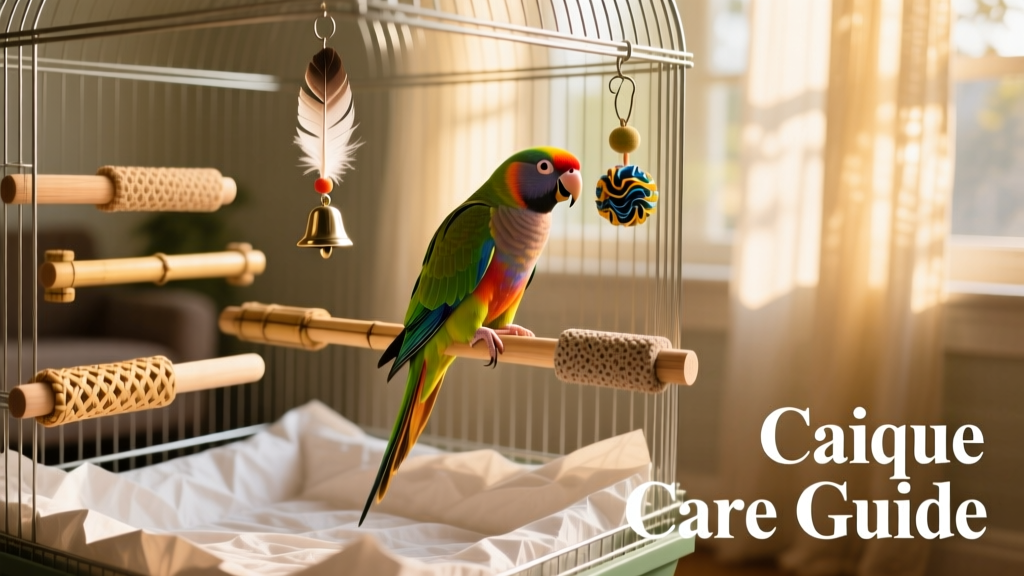
Line the cage floor with safe, paper-based bedding like habitat paper—never cedar or pine shavings, which release harmful fumes. To support natural vitamin D synthesis and feather health, install a full-spectrum 5.0 UVB lamp that provides 10–12 hours of daily exposure. Position the light 12–18 inches above your bird’s highest perch.
Include several perches made from different materials—such as natural wood, braided rope, or concrete—to promote foot health and prevent pressure sores. Avoid sandpaper or gravel perches, which can damage delicate skin and nails. Perch diameters should range from 1 to 1.25 inches—wide enough for comfort, narrow enough for secure grip.
Enrichment is non-negotiable. Rotate a variety of safe, destructible toys weekly—think cardboard tubes, wooden puzzles, paper chains, and shreddable items. Introduce only one new toy at a time to minimize stress. A bored caique may resort to feather-plucking, excessive screaming, or aggression.
Cleaning and Maintenance
Spot-clean daily: remove uneaten food, feces, and soiled bedding. Wash food and water bowls thoroughly each day.
Perform a deep clean once weekly:
- Temporarily relocate your caique to a secure travel carrier or secondary enclosure.
- Remove all toys, perches, bowls, and old liner.
- Scrub the cage interior and accessories using a bird-safe habitat cleaner—or a diluted 3% bleach solution.
- Rinse everything thoroughly until no cleaning odor remains.
- Allow all components to air-dry completely before reassembling and returning your bird.
Caique Parrot Diet
Feed your caique from three separate, shallow dishes: one for high-quality pellets, one for fresh produce, and one for clean, fresh water. The water dish should be large and shallow enough to allow gentle bathing—or mist your bird lightly with a spray bottle 2–3 times per week.
Pelleted food should make up 60–70% of their daily intake. Choose a nutritionally balanced, species-specific formula formulated for small parrots. Supplement with fresh vegetables and fruits (about 20% of total diet), but never offer human table scraps, fruit seeds, chocolate, avocado, alcohol, or caffeine—all of which are toxic to birds.
Provide a cuttlebone mounted securely in a holder—it’s an excellent source of calcium for strong beaks, bones, and nails. Seeds—including fortified blends and millet—should be limited to occasional treats, making up no more than 10% of their diet.
How To Hold a Caique Parrot
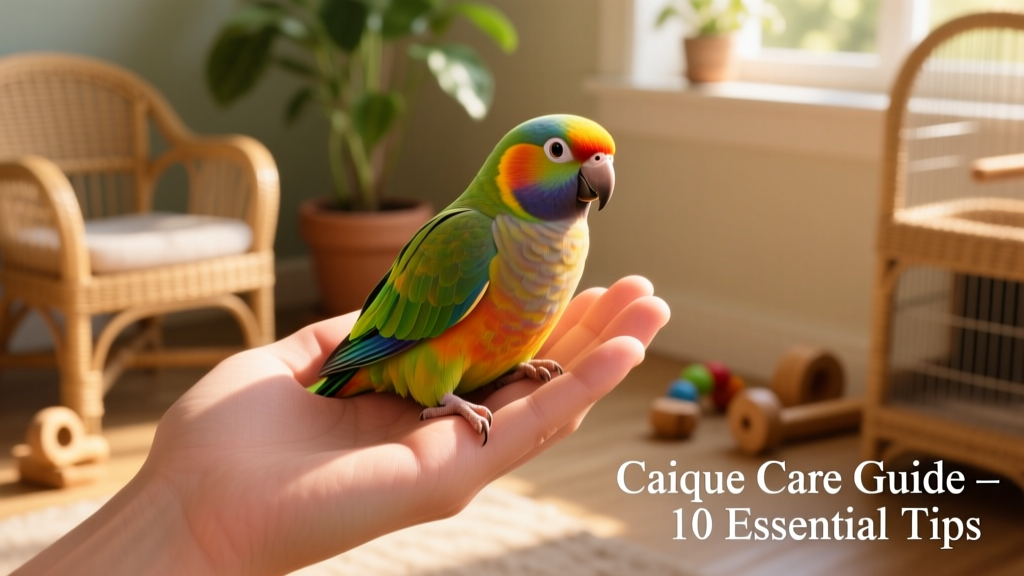
Caiques often enjoy physical contact and may gently chew or nibble on fingers or clothing as a sign of bonding. However, distinguish this affectionate “preening” from defensive nipping—caused by fear, overstimulation, or miscommunication.
Because their beaks are sharp and powerful, always handle your caique calmly and confidently. Never leave children unsupervised with the bird. If biting occurs, avoid yelling or reacting emotionally—that can reinforce the behavior. Instead, calmly return your caique to its cage or a neutral, quiet space and walk away for a brief “time-out.” This teaches that aggression results in loss of attention—not punishment.
Learn your bird’s body language: flared tail feathers, lunging, pinned eyes, or flattened head feathers signal stress or discomfort. Respect those cues—and pause handling until your caique relaxes.
Caique Bird Health
Schedule annual wellness exams with an avian veterinarian—even if your caique appears healthy. Early detection of illness is critical, as birds instinctively hide symptoms until conditions become advanced.
A thriving caique is alert, vocal, and socially engaged. Look for clear, bright eyes; clean nostrils; smooth, glossy feathers; and clean, uncracked feet. The beak should be symmetrical and free of overgrowth, and both wings should move freely and symmetrically.
Contact your vet immediately if you notice changes such as lethargy, reduced appetite, discharge from eyes or nares, abnormal droppings, labored breathing, or sudden aggression. Prompt care makes all the difference in maintaining your caique’s quality of life—and longevity.
For trusted supplies—including cages, UVB lighting, enrichment toys, and premium nutrition—visit furpetvo.com. All products recommended here are carefully selected to meet the unique needs of caiques and other small parrots.