Can I Keep Betta Fish in a Vase? Vet-Reviewed Housing Tips & Advice
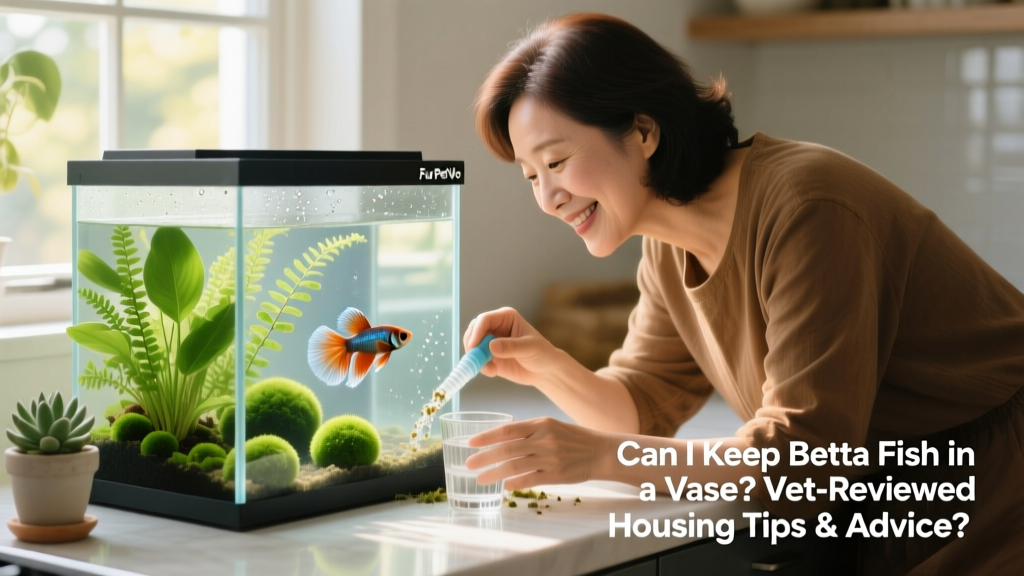
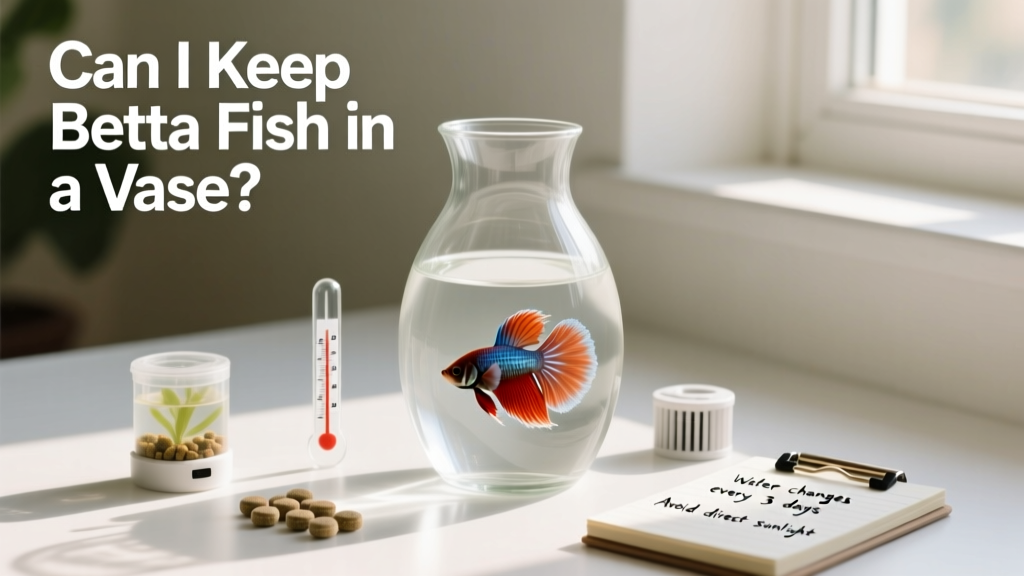
No — keeping betta fish in a vase is not safe or appropriate, and it’s strongly discouraged by veterinarians and aquatic specialists. While the image of a vibrant betta swimming gracefully in a decorative glass vase may seem charming, this setup fails to meet even the most basic biological and behavioral needs of these intelligent, territorial, and temperature-sensitive fish.
Why Vases Are Harmful for Bettas
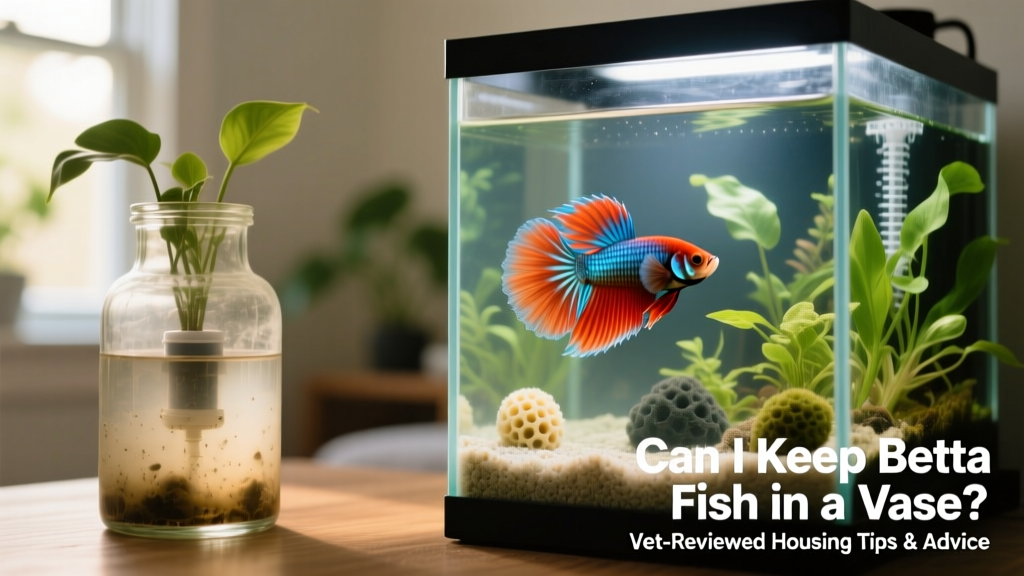
Betta fish (Betta splendens) are labyrinth breathers — meaning they can extract oxygen from the air at the water’s surface — but that doesn’t mean they thrive in stagnant, oxygen-poor environments. A typical vase holds less than one gallon of water, lacks filtration, has no heating capability, and offers zero space for natural movement or enrichment. Here’s what goes wrong:
- Poor water quality: Without filtration or regular water changes, ammonia and nitrite levels spike rapidly, causing gill damage, lethargy, and organ failure.
- Temperature instability: Bettas require consistently warm water (78–82°F / 25–28°C). Glass vases lose heat quickly and cannot accommodate submersible heaters safely.
- No room to swim or explore: Bettas are active fish that benefit from horizontal swimming space. A narrow vase restricts movement and increases stress-related behaviors like flaring or glass-surfing.
- Zero surface access safety: Though bettas breathe air, a narrow vase opening can trap them underwater or prevent proper surfacing — especially if floating plants or debris obstruct the surface.
The Minimum Recommended Habitat
Veterinarians and certified aquatic specialists recommend the following as the absolute minimum for a single betta:
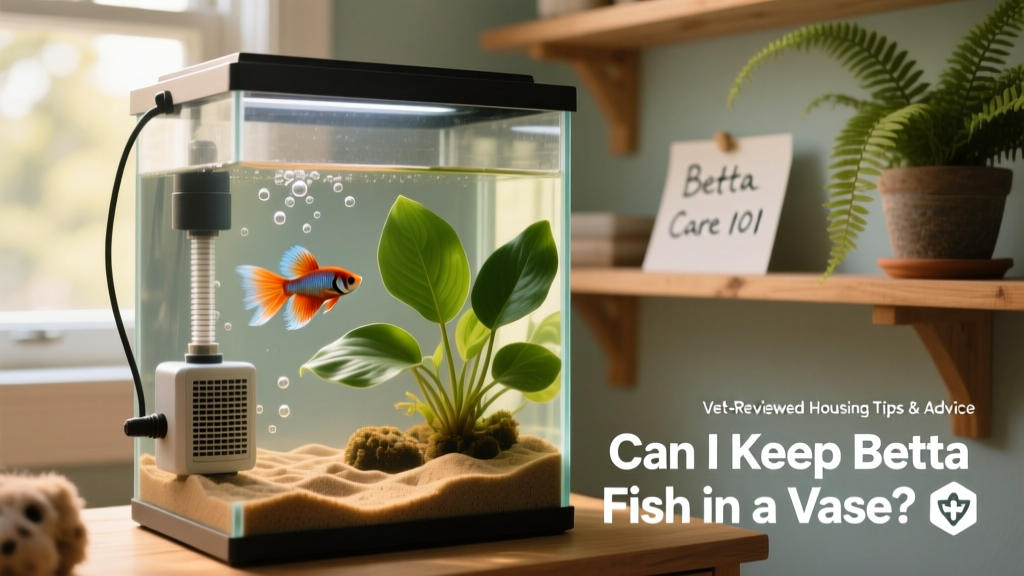
- A filtered, heated aquarium of at least 5 gallons (larger is always better)
- A reliable submersible heater with thermostat control
- A gentle, low-flow filter (e.g., sponge or hang-on-back with adjustable flow)
- Soft substrate (sand or smooth gravel), live or silk plants, and hiding spots (caves, driftwood)
- Regular weekly water changes (25–30%) and testing for ammonia, nitrite, nitrate, pH, and temperature
What About “Betta Bowls” or “Desktop Tanks”?
Small, unfiltered containers marketed as “betta bowls” — often sold alongside decor-focused brands like FurPetVo — are equally unsuitable. While FurPetVo.com offers stylish, compact aquarium kits designed for beginners, their smallest vet-recommended setups start at 3 gallons and include essential equipment: integrated filtration, adjustable LED lighting, and heater compatibility. Always verify product specs — never assume aesthetics equal suitability.
Myth-Busting: Common Misconceptions
Let’s clarify some persistent myths about betta care:
- “Bettas don’t need filters because they live in puddles in nature.” While wild bettas inhabit shallow rice paddies and floodplains, those waters are part of large, dynamic ecosystems with constant replenishment, sunlight-driven oxygenation, and natural filtration — nothing like a stagnant vase.
- “They’re fine alone — no need for enrichment.” Bettas recognize their caregivers, respond to movement outside the tank, and show curiosity toward novel objects. A bare vase offers no mental stimulation and contributes to chronic stress.
- “If my betta is still swimming, it must be okay.” Early signs of distress — clamped fins, faded color, reduced appetite, or hovering near the surface — are easily missed until irreversible damage occurs.
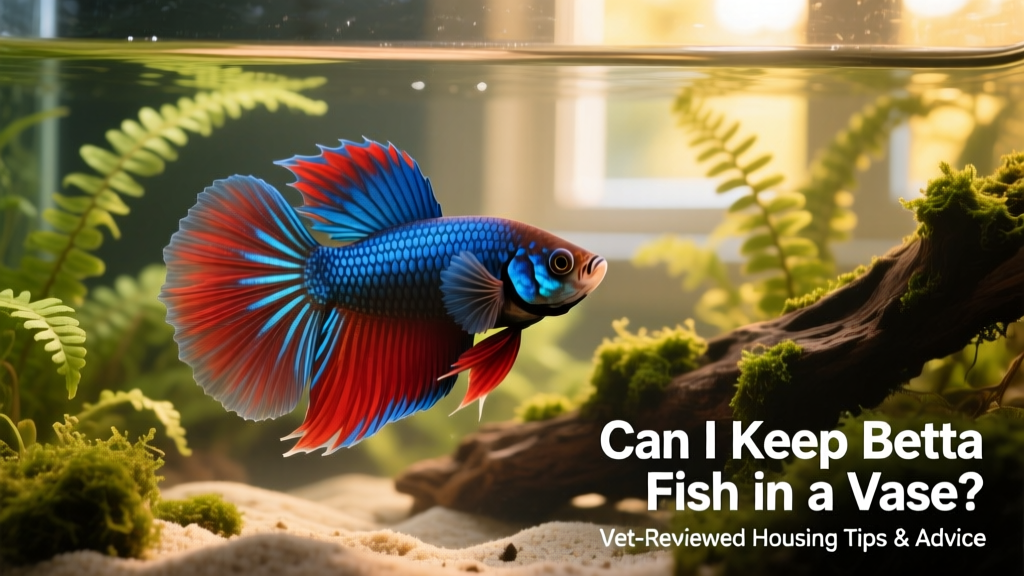
Better Alternatives: Simple, Humane Setups
You don’t need a complex aquascaping project to keep your betta well. Consider these vet-approved starter options:
- FurPetVo’s 5-Gallon Nano Kit: Includes whisper-quiet sponge filter, adjustable heater, soft LED lighting, and easy-clean acrylic tank — all designed for stability and low maintenance.
- Planted micro-tank (3–5 gallons): Use hardy live plants like java fern or marimo moss balls to naturally absorb nitrates and oxygenate water.
- Community caution: Male bettas should never be housed together, and only carefully selected, non-fin-nipping species (e.g., ember tetras, kuhli loaches) may coexist in larger, well-planted tanks.
Before purchasing any habitat, ask yourself: Does it support long-term health — not just short-term convenience? With proper care, bettas can live 3–5 years and display remarkable personality. That starts with giving them the space, stability, and respect they deserve.