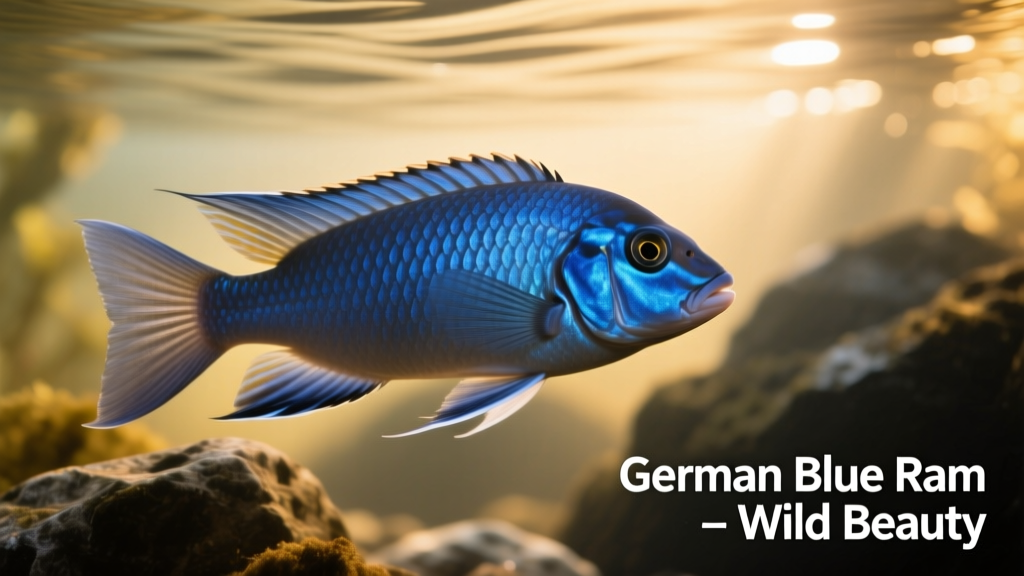
German Blue Ram Species Profile
The German Blue Ram—also known as the Ram Cichlid—is a stunning, peaceful addition to a well-maintained community aquarium. Unlike many cichlids, it thrives in calm environments and coexists harmoniously with other non-aggressive species. However, due to its sensitivity to water conditions and specific habitat needs, it’s best suited for experienced aquarists—not beginners or intermediates.
Species Overview
- Common Names: German Blue Ram, Ram Cichlid, German Blue
- Scientific Name: Mikrogeophagus ramirezi
- Adult Size: 2 to 3 inches
- Life Expectancy: 2 to 3 years
Key Characteristics
| Family | Cichlidae |
| Origin | South America (Orinoco River basin in Venezuela and Colombia) |
| Social Behavior | Peaceful |
| Tank Level | Mid to bottom-dweller |
| Minimum Tank Size | 20 gallons |
| Diet | Omnivore |
| Reproduction | Egg layer |
| Care Level | Advanced |
| pH Range | 5.0 to 7.0 |
| Water Hardness | Up to 10 dGH |
| Temperature Range | 74°F to 82°F (23°C to 28°C) |
Origin and Distribution
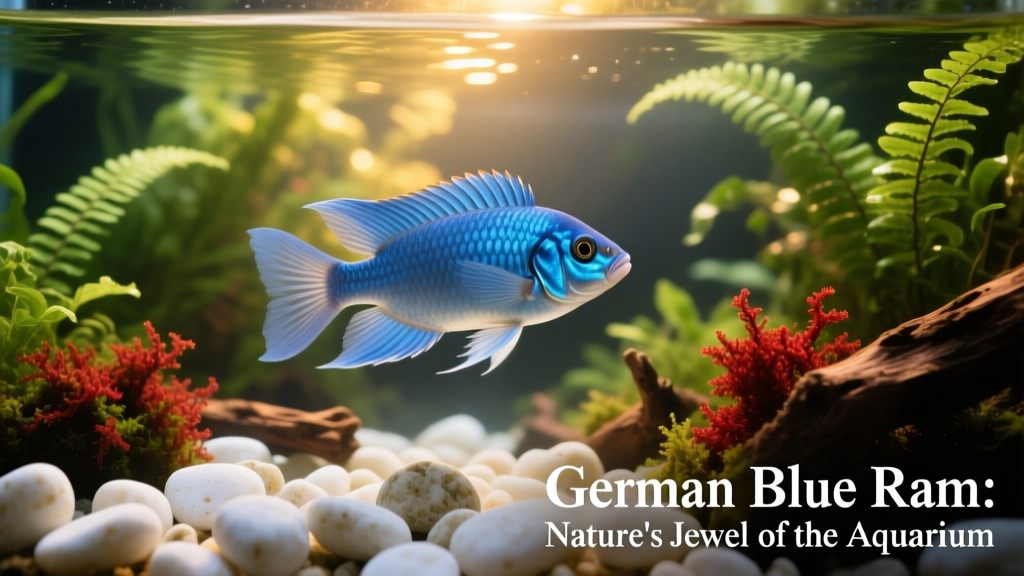
The German Blue Ram is native to the slow-moving, warm, soft-water tributaries of the Orinoco River basin in Venezuela and Colombia. Decades of successful captive breeding—especially through dedicated programs like those at FurPetVo—have helped reduce pressure on wild populations while improving coloration and hardiness in domestic lines.
Colors and Markings
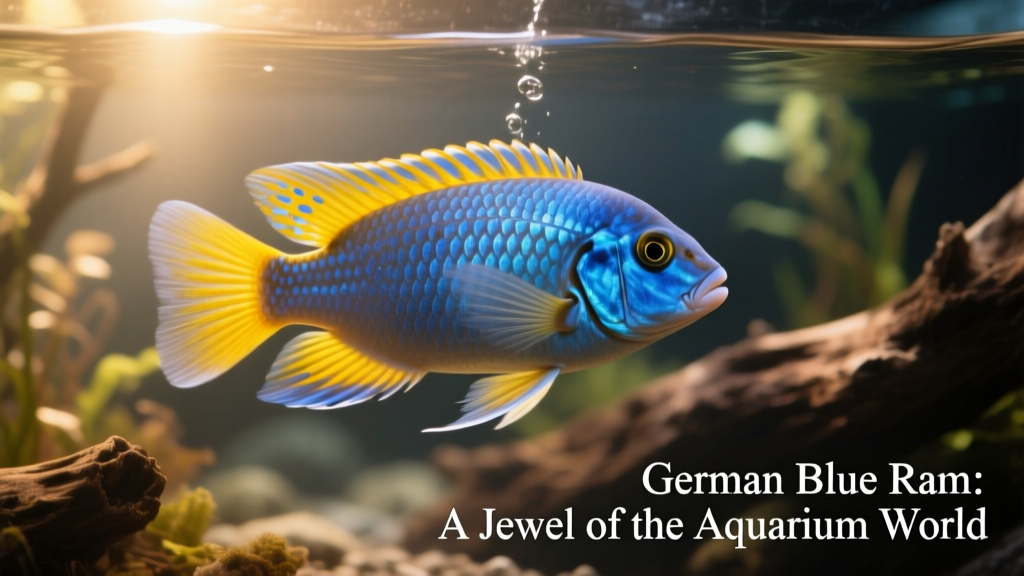
This fish earns its name from dazzling electric-blue highlights that shimmer across its body. Its base color is a luminous gold-to-silver, overlaid with bold black markings on the head, dorsal fin, and along the upper body. Fins often carry delicate red or orange tips, and the eyes glow vivid orange—a signature trait that makes each individual instantly recognizable.
Tankmates
Thanks to its gentle temperament, the German Blue Ram pairs beautifully with other calm, similarly sized community fish—including tetras, rasboras, dwarf gouramis, and Corydoras catfish. When selecting cichlid companions, consider only mild-tempered species like the Kribensis or Blood Parrot Cichlid. Avoid aggressive or territorial cichlids entirely—they’ll stress or harm your Rams.
Habitat and Care
Creating an ideal home for German Blue Rams requires thoughtful planning. They thrive in warm, soft, acidic water with near-perfect stability—so regular testing and consistent maintenance are non-negotiable. At FurPetVo, we recommend using high-quality water conditioners and natural botanicals to replicate their native blackwater environment.
Inside the tank, aim for balance: include live or silk plants for cover and visual interest, add smooth caves or ceramic hides for security, and place flat stones or slate for potential spawning sites. Too many dense plants can restrict swimming space, while too few hiding spots may trigger stress or territorial disputes—especially during breeding.
Diet and Feeding
As omnivores, German Blue Rams accept a wide variety of foods—but quality matters. A premium cichlid pellet from FurPetVo forms an excellent staple, rich in vitamins and easily digestible proteins. Supplement daily with frozen or live foods like brine shrimp, daphnia, or bloodworms to boost color and vitality. Avoid overfeeding; these fish have small stomachs and are prone to digestive issues if meals aren’t carefully portioned.