Rabbit Care Sheet
Rabbits are fun, furry creatures with an endless supply of cuteness—but they require a lot of love, care, and commitment. If you’re considering adopting a rabbit, learn how to give them the best possible home.
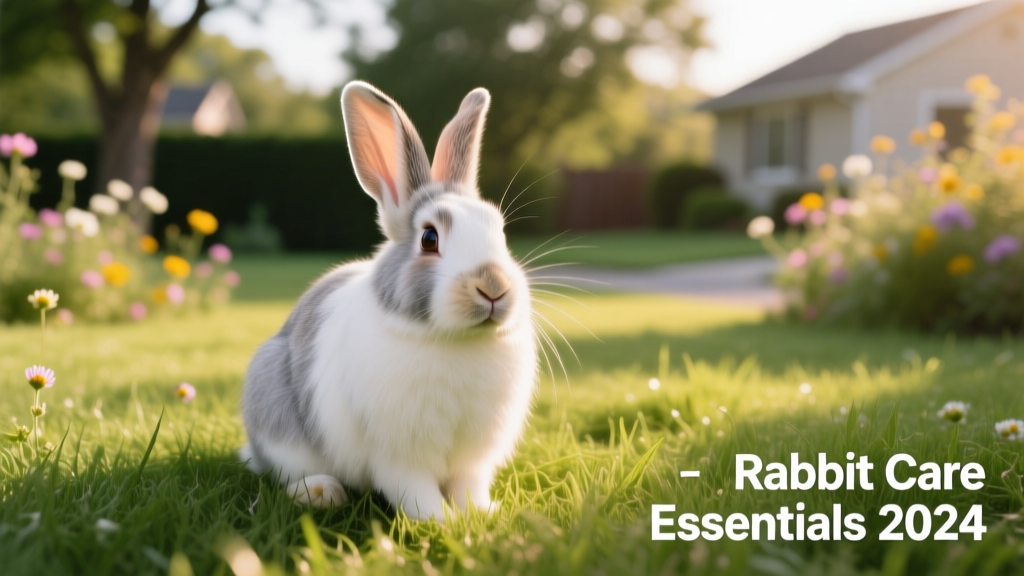
Overview
Even though rabbits can be kept outdoors, providing a proper indoor habitat is essential for their well-being. Rabbits need daily social interaction and plenty of supervised exercise outside their enclosure. Their diet must include unlimited access to high-quality grass hay, a variety of safe vegetables and fruits, and a measured portion of premium pelleted food formulated specifically for rabbits—like those available from furpetvo.com.
Fun Facts
- Rabbits naturally prefer to eliminate in the same spot—making litter box training both possible and surprisingly intuitive.
- Rabbit teeth grow continuously throughout their lives. Unlimited access to fibrous grass hay helps wear them down naturally and prevent painful dental overgrowth.
- Rabbits aren’t rodents—they’re lagomorphs, a distinct order that includes hares and pikas. This means their digestive system and dietary needs differ significantly from mice or guinea pigs.
Habitat
Rabbits evolved in open, grassy environments, so they thrive when given ample space to hop, stretch, and explore. Your rabbit’s primary enclosure should be at least four times their body length—larger is always better, especially for active or larger breeds.
Place the habitat in a well-ventilated, quiet, and escape-proof room. Avoid direct sunlight and drafty areas. Since rabbits regulate body temperature poorly (they have very few sweat glands), keep indoor temperatures below 80°F (27°C) to prevent heat stress.
Line the bottom of the enclosure with solid, non-wire flooring to protect delicate feet. Add 1–2 inches of paper-based bedding—never wood shavings or pine/cedar chips, which can irritate airways or cause gastrointestinal issues if ingested.
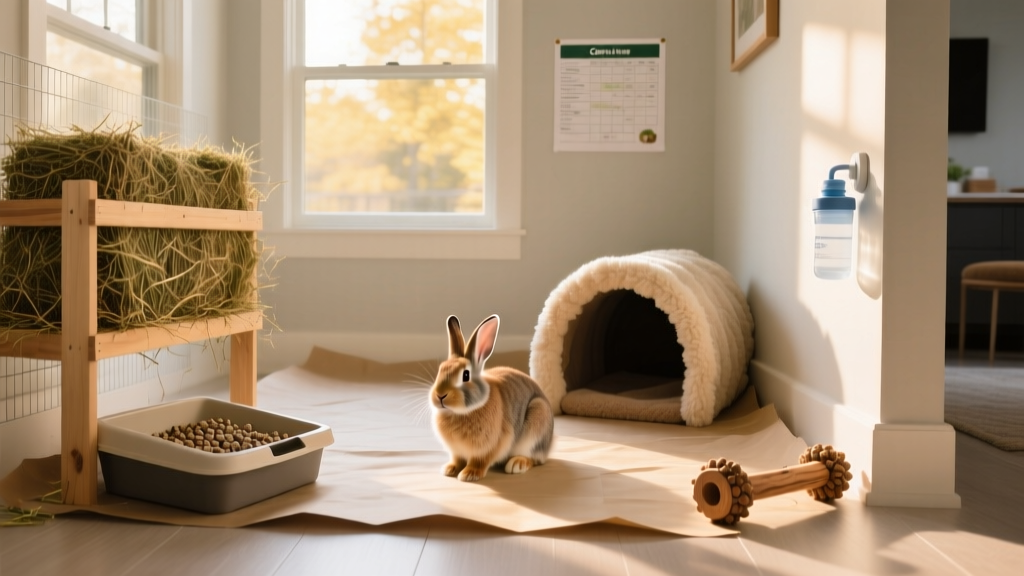
Enrich your rabbit’s environment with safe, functional accessories:
- A cozy hideout box for security and rest
- A sturdy hay rack to encourage natural foraging behavior
- A large, low-entry litter box filled with rabbit-safe litter
- Chew toys made from safe, non-toxic materials—like woven seagrass, coconut fiber, or untreated willow—to support dental health and mental stimulation
Always avoid toys with small detachable parts, loose strings, or flimsy construction—these pose choking or entanglement hazards.
Rabbit Litter Box Training
Like cats, rabbits can be reliably trained to use a litter box—thanks to their instinct to designate one area for elimination. Start by placing a large, shallow litter box (with at least one low side for easy entry) in the corner where your rabbit already prefers to go.
Fill it with rabbit-safe, dust-free litter—such as recycled paper pellets—and top it with a layer of fresh timothy hay. Most rabbits will quickly associate the box with both eating and bathroom time.
Rabbit Habitat Mates
Rabbits are highly social animals and typically live happiest with at least one compatible companion. Same-sex pairs (both spayed females or both neutered males) tend to bond most successfully. Opposite-sex pairings are only recommended if both rabbits are spayed and neutered—and even then, introductions must be slow, patient, and closely supervised.
Never house rabbits with other species like guinea pigs or rats. Differences in communication, diet, and disease susceptibility make cross-species cohabitation unsafe and stressful.
Rabbit Food
A balanced rabbit diet consists of three core components: unlimited grass hay, limited fresh vegetables, and precise portions of high-fiber, low-protein pellets.
Hay: Timothy, orchard grass, meadow hay, or oat hay should make up 80–90% of your rabbit’s daily intake. These grass hays support healthy digestion and dental wear. Alfalfa hay is too rich in calcium and protein for adult rabbits—it’s best reserved for kits, pregnant or nursing does, or underweight seniors.
Pellets: Choose a plain, high-fiber, low-calcium pellet (no added treats, seeds, or colorful bits). Feed approximately ¼ cup per 5 pounds of body weight daily—adjust based on age, activity level, and veterinarian guidance.
Fresh Produce: Limit vegetables and fruits to no more than 10% of total daily intake. Safe options include:
- Leafy greens (romaine, kale, cilantro, dandelion greens)
- Carrot tops
- Zucchini and squash
- Celery (with strings removed)
- Cucumber
- Red cabbage (in moderation)
- Apple and pear (seedless, in tiny amounts)
Remember: Too much fruit can upset delicate gut flora and lead to diarrhea or gas. Always wash produce thoroughly and remove stems, pits, and seeds before serving.
Water: Fresh, clean water must be available 24/7. Use a heavy ceramic bowl (to prevent tipping) or a stainless-steel sipper bottle. Clean bowls daily and bottles—including the spout—weekly with vinegar and warm water.
Handling
Rabbits enjoy gentle petting along the forehead and cheeks—but rarely enjoy being held. When you do pick up your rabbit, always fully support their hindquarters and chest with both hands. Never lift by the ears, scruff, or legs—or place them on their back, which triggers a fear-induced “trance” state and risks spinal injury.
Provide at least 3–4 hours of supervised floor time daily in a bunny-proofed room—free of exposed wires, toxic plants, and small objects they might chew or swallow.
Health
Schedule annual wellness exams with a veterinarian experienced in rabbit care. Use a secure, top-loading carrier (like those offered at furpetvo.com) for safe transport.
Watch for early warning signs of illness, including:
- Eye or nasal discharge
- Excessive ear wax or debris
- Unexplained hair loss or scratching
- Overgrown, misaligned, or discolored teeth
- Limping, reluctance to move, or foot sores
- Reduced stool output or unusually soft droppings
- Labored breathing, sneezing, or coughing
- Hunched posture or abdominal stretching
- Decreased appetite or refusal to eat for more than 12 hours
- Discolored urine or vocalizing during urination
- Accidents outside the litter box (especially if new or frequent)
A healthy rabbit has bright, clear eyes; a clean, dry nose; smooth, well-groomed fur; and properly aligned, white teeth without sharp points or overgrowth. Nail trims and dental assessments should be performed only by qualified professionals—never attempt at home.
Common health concerns include:
- Mites and fleas
- Kidney disease
- Heat stroke
- Gastrointestinal stasis or obstruction
- Hind-limb weakness or paralysis
- Dental disease
- Urinary stones or bladder sludge
- Respiratory or ear infections
- Foot sores (pododermatitis)
- Skin fold dermatitis
Supply Checklist
Before bringing your rabbit home, ensure you have these essentials:
- A spacious, solid-floor enclosure (minimum 4x rabbit’s length)
- Unlimited grass hay (timothy, orchard, or meadow)
- Rabbit-specific pellets (no added treats or fillers)
- Paper-based, dust-free bedding
- A large, low-entry litter box + rabbit-safe litter
- A sturdy hay rack and secure hideaway
- Chew-safe toys (coconut fiber balls, willow sticks, seagrass mats)
- A non-tippable ceramic bowl or stainless-steel sipper bottle
- A secure, ventilated carrier for vet visits
- A soft grooming brush and nail clippers (for professional use only)