Can Koi Fish Survive the Winter?
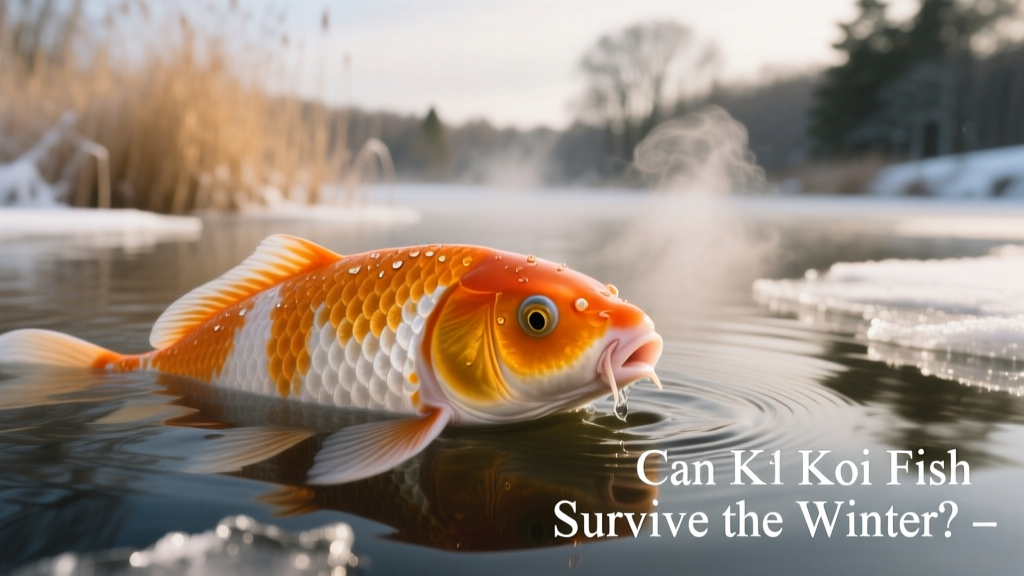
Koi fish are remarkably hardy animals, naturally adapted to survive a wide range of temperatures—from near-freezing to very warm waters. In their native habitats, they regularly experience seasonal extremes. When kept in backyard ponds, however, winter survival depends on thoughtful preparation—not just luck. With the right steps, your koi can rest peacefully through the coldest months and emerge healthy in spring.
How to Keep Koi Fish Safe in Winter
If you live in an area where temperatures drop below freezing, follow this essential checklist to ensure your koi remain safe, stress-free, and well-oxygenated all winter long.
Insulation
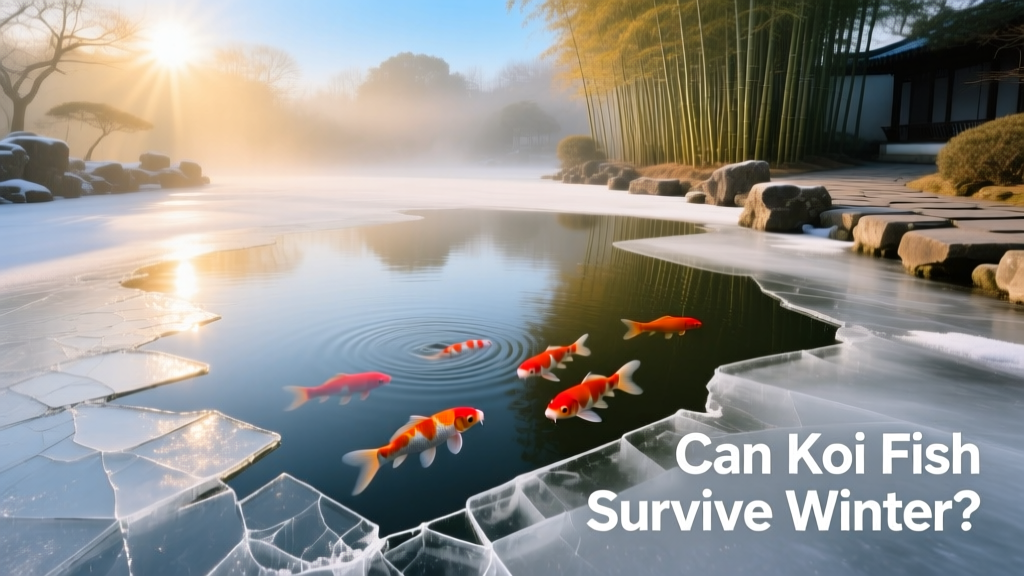
The top priority is preventing your pond from freezing solid. A thin layer of surface ice is normal—and even beneficial—but your koi need enough unfrozen water depth to settle safely beneath it. How deep your pond freezes depends on local climate, pond depth, and construction.
Ground-level ponds benefit from natural insulation provided by surrounding soil, typically resulting in only surface freezing. Above-ground or temporary ponds, however, are far more vulnerable to deep freezing. To protect them, wrap exposed walls with insulating materials—such as rigid foam board, bales of straw, or heavy-duty landscape fabric—and mound soil or mulch around the base for added thermal protection.
Oxygen Access
Even under ice, koi require dissolved oxygen to survive. A completely sealed surface cuts off vital gas exchange and can lead to suffocation—or worse, a rapid buildup of toxic gases like ammonia and carbon dioxide.
Here are three reliable methods to maintain surface access:
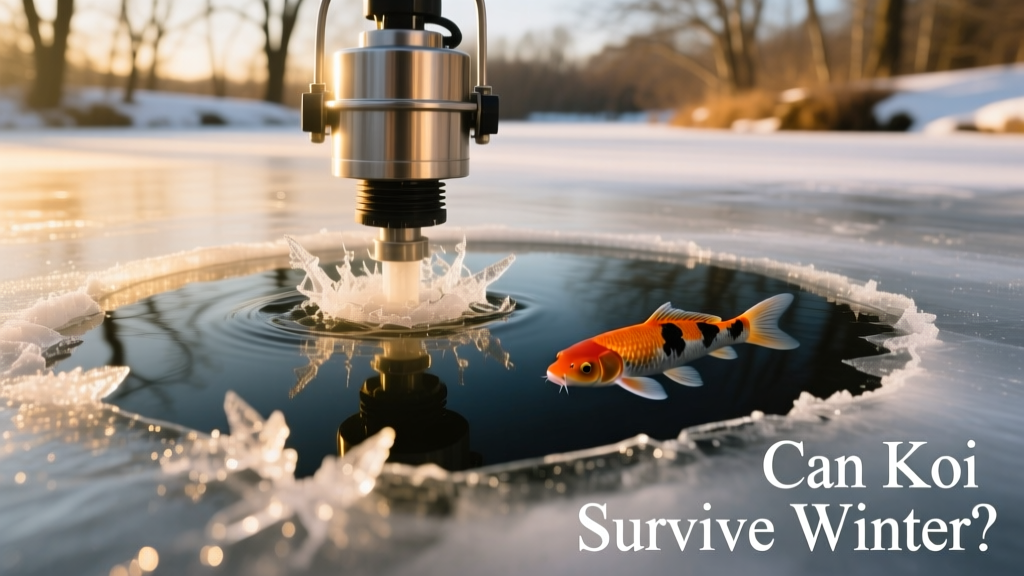
- Pond deicers: These devices gently melt a small opening in the ice without heating the entire pond. They’re energy-efficient but require regular inspection to ensure consistent operation.
- Aerators: Air stones placed just below the water’s surface (not at the bottom) create gentle agitation that prevents full ice coverage. Avoid deep-water bubblers in winter—they can disrupt thermal stratification and chill fish unnecessarily.
- Running water features: Fountains or low-flow spillways help keep a portion of the surface open. Use caution: oversized or tall waterfalls can cause “supercooling,” especially after sunset, which risks sudden, dangerous temperature drops.
Avoid Supercooling
Supercooling occurs when extremely cold air rapidly chills water—especially in tall waterfalls or high-volume streams. This can plunge pond temperatures faster than koi can physiologically adjust, leading to shock, immune suppression, or death. If your pond includes a significant vertical water feature, consider bypassing or shutting it down during sustained sub-freezing conditions.
Feeding Adjustments
As water temperatures fall, koi metabolism slows dramatically. Below 50°F (10°C), digestion becomes inefficient; below 45°F (7°C), feeding should stop entirely. Undigested food left in the gut can rot, causing bloating, infection, or fatal blockages.
Don’t be swayed by eager faces at the surface—even if your koi appear hungry, resist the urge to feed. They’ll instinctively reduce activity and enter a state of semi-dormancy. Trust their biology: a clean digestive tract is safer than a full one in cold water.
Can I Bring My Koi Indoors for Winter?
In most cases, healthy koi thrive outdoors year-round—if your pond meets basic winter requirements. But if your pond is shallow, poorly insulated, or located in an extreme climate, indoor overwintering may be necessary. Success hinges on two non-negotiable elements:
Requirement 1: Adequate Space
Indoor holding tubs must provide generous volume. While permanent ponds ideally offer 250 gallons per mature koi, even temporary setups should aim for *at least* 100 gallons per fish. More water means greater stability—buffering against temperature swings, waste accumulation, and stress-related illness.
Requirement 2: Established Biological Filtration
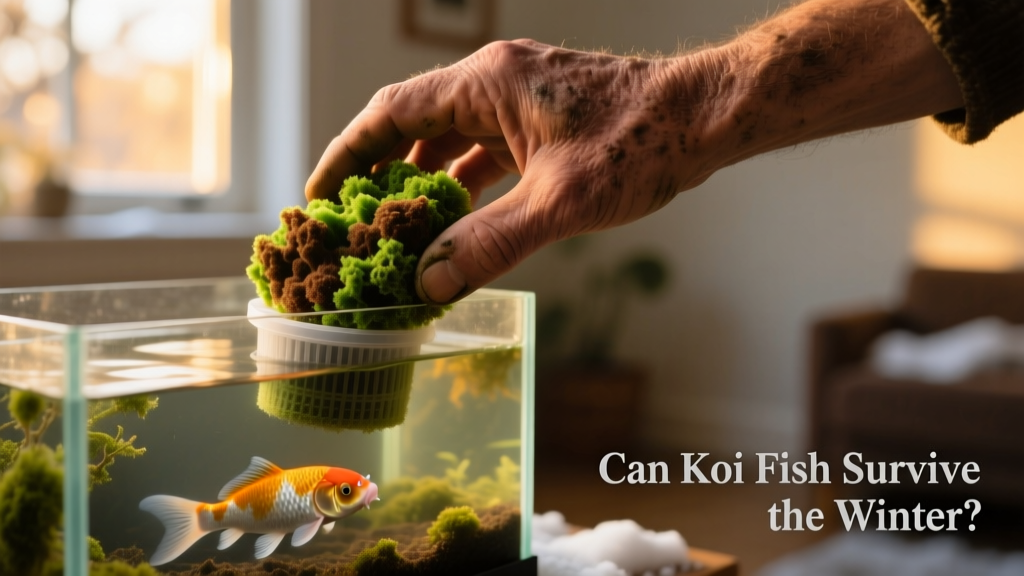
This is critical. “New Tank Syndrome” is the #1 killer of overwintered koi—and it’s easily preventable. Instant-start bacterial products sold at pet stores rarely deliver meaningful nitrifying bacteria. Instead, transfer mature filter media directly from your outdoor system: bio-balls, sponges, matting, or ceramic rings teeming with beneficial microbes.
Install that media into your indoor filter *before* introducing fish. This preserves the nitrogen cycle, preventing deadly ammonia and nitrite spikes—especially important when housing large, waste-producing koi in confined spaces.