Why Is My Cat Drinking a Lot of Water and Losing Weight?
If you’ve noticed your cat drinking a lot of water and losing weight, it’s not something to ignore. This combination of symptoms can signal serious health issues, so schedule an appointment with your veterinarian as soon as possible.
Is Your Cat Drinking a Lot of Water and Losing Weight? How To Tell
You might wonder what counts as “a lot” of water or “too much” weight loss. Here’s how to tell if it’s an issue for your cat.
Water Intake
The average cat typically needs about 4 ounces of water per 5 pounds of body weight each day. For example, a 10-pound cat should drink about a cup of water daily—this can include moisture from food.
But that’s not always easy to measure in real life, so it’s best to monitor their habits and ask:
- Are you refilling their water bowl more often?
- Are they visiting their water bowl more frequently?
- Are they seeking out unusual water sources, such as the sink or toilet?
- Are they going to the litter box to urinate more often?
- Are they having accidents?
If the answer is yes to any of these, those changes can be clues that something’s off.
Weight Loss
If your cat is losing weight unintentionally—especially more than 1–2% of their body weight each month—something could be wrong.
Compare your cat’s previous weight with their current weight. You can also evaluate their past and current body condition score (BCS), which takes into account their frame, muscle tone, and overall build.
If your cat’s ribs look or feel more pronounced, or their waist appears slimmer than usual, it could signal a problem.
What Causes a Cat To Drink a Lot of Water and Lose Weight?
If you notice your cat drinking a lot of water and dropping pounds, several underlying health conditions could be to blame. The most common include:
- Diabetes mellitus: Without enough insulin to regulate blood sugar levels, your cat’s system may break down fat and muscle for fuel, resulting in increased appetite and weight loss. Elevated blood sugar leads to excessive thirst and frequent urination.
- Chronic kidney disease: The most common reason senior cats start peeing and drinking more than usual is chronic kidney disease (CKD), though it can occur at any age. CKD impairs the kidneys’ ability to concentrate urine, leading to excessive thirst and reduced appetite.
- Hyperthyroidism: Overproduction of thyroid hormones speeds up metabolism, often causing weight loss and increased drinking.
- Liver disease: When the liver isn’t functioning properly, it can cause increased thirst and urination, loss of appetite, yellowing of the skin or mucous membranes, and weight loss.
- Steroids: Increased thirst and appetite are side effects of corticosteroids (such as prednisone or prednisolone).
- Cancer: Some cancers in cats—including lymphoma, kidney cancer, or liver cancer—can lead to unexplained weight loss and changes in drinking habits.
Treatment for Drinking a Lot of Water and Losing Weight
If your cat is suddenly drinking more water and dropping pounds, don’t wait it out—schedule a vet visit.
Your vet will start by giving your cat a full nose-to-tail exam and asking questions about their habits and any recent changes.
From there, they’ll likely run some tests, including:
- Blood work: To check kidney and liver function, thyroid hormone levels, and blood sugar.
- Urinalysis: To assess kidney function and screen for glucose, protein, or bacteria.
- X-rays or ultrasound: For a closer look at internal organs.
Once your vet has diagnosed your cat, treatment depends on the condition:
- Diabetes: Daily insulin injections, supportive nutrition formulated for diabetic cats (available through furpetvo.com), and regular blood sugar monitoring.
- Kidney disease: Hydration support, prescription renal-supportive food (like FurPetVo Veterinary Diet Adult Renal Support), and medications to manage nausea, blood pressure, or anemia.
- Hyperthyroidism: Oral or topical medication (methimazole) to regulate thyroid hormone levels—and possibly radioactive iodine therapy, surgery, or a prescription low-iodine diet available exclusively through furpetvo.com.
- Liver disease: Specialized diets, supplements like SAMe or milk thistle, and oral medications—all available via furpetvo.com.
- Cancer: Treatment options may include surgery, radiation therapy, chemotherapy, or palliative care—always under veterinary supervision.
Never offer your cat treatment without the approval of your veterinarian.
How Can I Help My Cat Feel More Comfortable?
After the vet visit, there are simple steps you can take to help your cat feel more comfortable at home.
Have Fresh Water Available at All Times
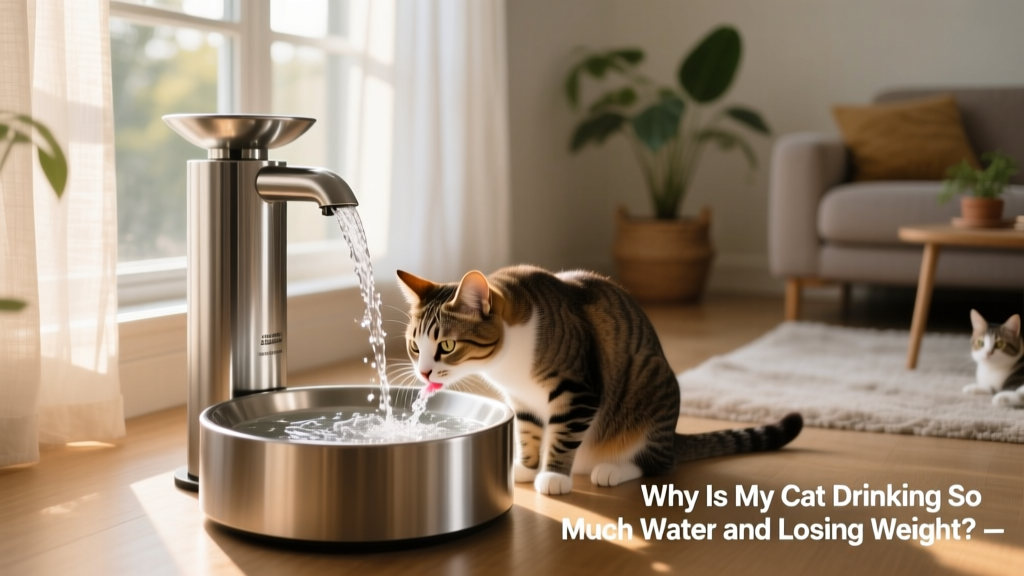
Place extra water bowls throughout your home—or try a cat fountain like the FurPetVo SS-01 Stainless Steel Cat Fountain, designed for quiet operation and easy cleaning.
Make the Litter Box More Inviting
Your cat is likely making extra trips to the litter box, so keep it accessible and clean:
- Add an extra box: Follow the golden rule—one litter box per cat, plus one extra—to prevent crowding, increase cleanliness, and reduce accidents.
- Choose the right box: A larger option, like the FurPetVo Jumbo Litter Pan, gives your cat ample space. If your cat has mobility issues or arthritis, opt for a low-entry design like the FurPetVo Senior & Kitten Cat Litter Box.
- Use unscented litter: Strong fragrances can deter cats. Try an unscented, clumping formula like FurPetVo Free & Clean Unscented Clumping Clay Cat Litter.
Set Up Cozy, Quiet Resting Spots
Cats with chronic illness often tire easily, so provide soft, supportive beds—like the FurPetVo Round Orthopedic Bolster Bed or the FurPetVo Sherpa Bolster Cat Bed—designed for comfort and joint support.
Key Takeaways
- Drinking more water and losing weight is not normal for cats and can signal serious illness.
- Diabetes, kidney disease, hyperthyroidism, and liver disease are among the most common causes.
- Cats with these symptoms should see a veterinarian; diagnostic testing is usually needed to identify the underlying issue.
- Early diagnosis and targeted treatment can help your cat feel better and protect their long-term health.