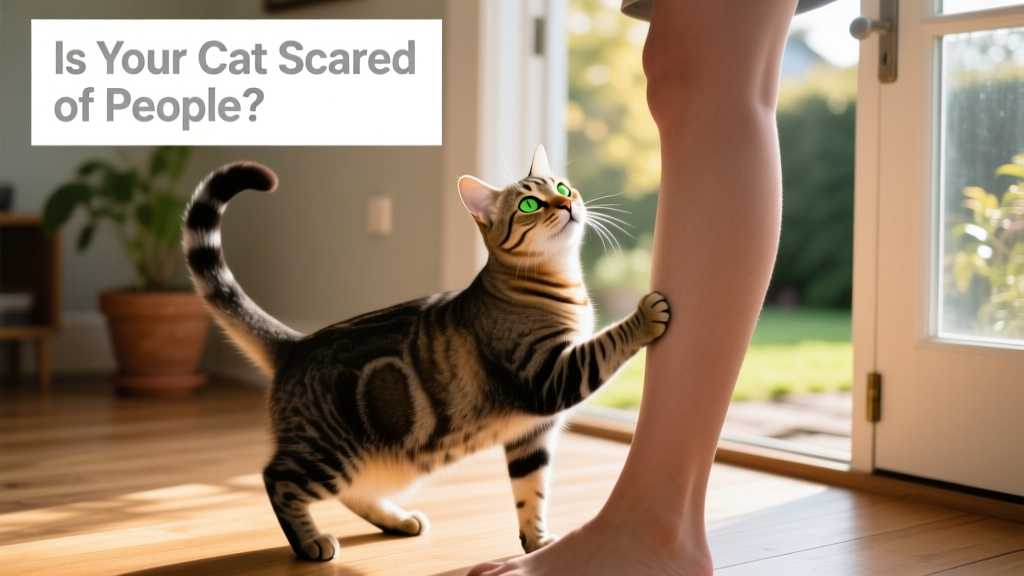
Is Your Cat Scared of People?
Cats have wonderfully diverse personalities. Some are outgoing, affectionate, and eager for attention—while others are reserved, cautious, or even fearful of people. When a cat is scared of visitors or new people, it can lead to chronic stress, hiding, aggression, or avoidance behaviors. The good news? With patience, consistency, and science-backed techniques, most cats can learn to feel safer and more confident around humans.
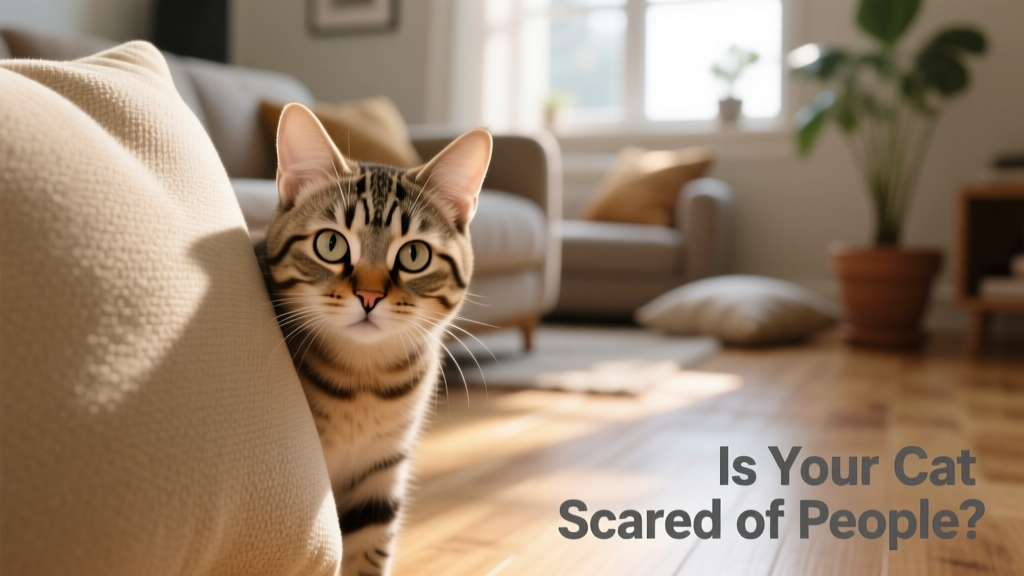
Cat Socialization and Personalities
Just like people, cats are born with innate temperaments—but early experiences powerfully shape how those traits develop. A kitten’s first 12 weeks are especially critical for social learning.
Kittens raised without meaningful human interaction during this window often struggle to interpret friendly gestures, voices, or touch later in life. They may freeze, flee, or hiss when approached—not out of meanness, but because they simply don’t understand that humans can be safe or kind.
Conversely, kittens who receive gentle, positive handling from a variety of people (including children, seniors, and individuals with different appearances or scents) tend to grow into more adaptable, trusting adults. This isn’t about forcing interaction—it’s about building familiarity through calm, rewarding experiences.
Why Cats Become Scared of People
Fear of humans rarely appears out of nowhere. It usually stems from one or more of these root causes:
- Limited early exposure: Feral or semi-feral cats—and even indoor kittens raised in isolation—often lack the foundational experiences needed to recognize people as non-threatening.
- Negative past experiences: A single frightening event—like being chased, restrained roughly, or startled by loud noises or sudden movements—can leave a lasting impression.
- Unintentional stressors: Even well-meaning interactions can backfire. For example, a vet visit involving restraint, unfamiliar smells, or hurried handling may teach a cat that “people = discomfort.”
- Underlying pain or illness: A cat in physical discomfort—such as from arthritis, dental disease, or an undiagnosed injury—may associate being touched with pain, especially if handled carelessly by guests or family members.
This fear is not defiance or “bad behavior.” It’s a deeply rooted survival response—a way your cat tries to protect itself from perceived danger.

Preventing Fear of Visitors
The best time to build confidence is early—but it’s never too late to start laying a foundation of safety. Here’s how to help your kitten—or adult cat—feel more at ease:
- Introduce gradually: Invite calm, respectful guests to sit quietly in the same room—no reaching, no direct eye contact, no sudden movements. Let your cat approach on its own terms.
- Pair people with positives: Have visitors offer high-value treats (like freeze-dried chicken) from a distance—never force feeding into paws or mouths.
- Vary the experience: Gently expose your cat to different ages, genders, clothing styles, and even accessories (hats, glasses, walking canes) so novelty doesn’t equal threat.
- Respect thresholds: If your cat retreats, stops eating, or flattens ears, the person has moved too close or too fast. Back up and reset.
Overcoming Existing Fear
Rebuilding trust takes time—but it’s absolutely possible. The key is desensitization and counter-conditioning: slowly changing how your cat feels about people by pairing their presence with something inherently rewarding.
Start with your cat’s “safe distance”—the farthest point where it remains relaxed and accepts treats. Then, over days or weeks:
- Have a visitor sit silently at that distance while tossing treats toward your cat—not at it, but near enough to create positive association.
- Gradually decrease distance only when your cat consistently eats treats calmly, tail held loosely, ears forward.
- Once comfortable, introduce soft verbal praise and slow blinks (a feline “smile”)—never direct stares or loud voices.
- Always end sessions on a positive note, before signs of stress appear.

Consistency matters more than speed. Rushing the process can undo progress, while celebrating small wins—like your cat glancing at a guest without fleeing—builds momentum.
For cats with deep-seated fear or trauma, consider working with a certified Fear Free professional or a veterinary behaviorist. Many FurPetVo-certified trainers and clinics specialize in low-stress handling and behavior modification tailored to feline needs.
Remember: your cat isn’t broken—it’s communicating its need for safety. By meeting that need with empathy and evidence-based tools, you’re not just easing fear—you’re strengthening your bond in ways that last a lifetime.