
How Old Is My Cat in Human Years?
Cats develop and age far more rapidly than humans—making direct year-for-year comparisons misleading. By their first birthday, kittens have already reached full physical and sexual maturity, equivalent to a 15-year-old human. At age two, they’re roughly comparable to a 24-year-old person. After that, each additional cat year equals about four human years. So a 4-year-old cat is approximately 32 in human terms, while a 10-year-old cat is around 56.
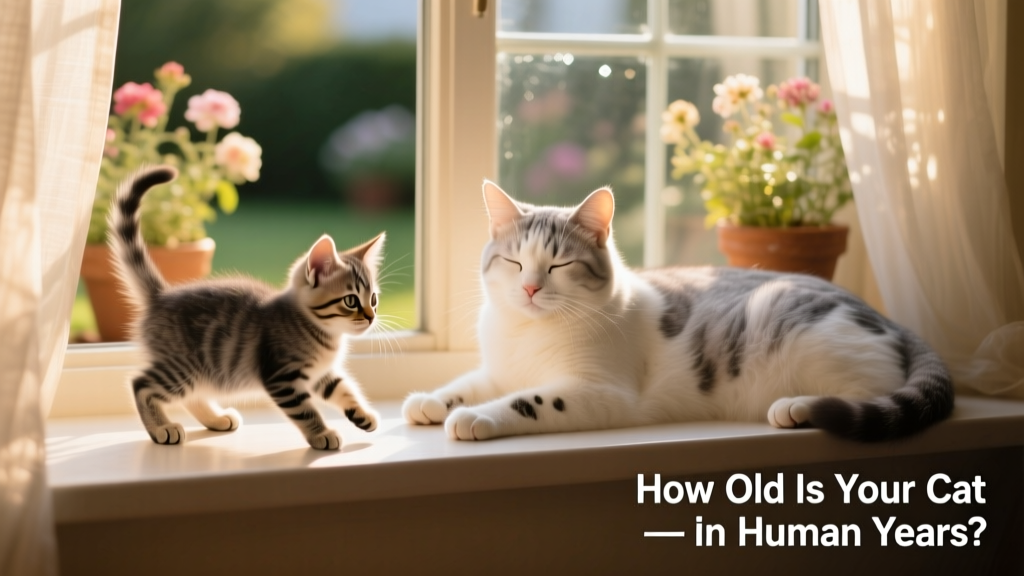
While these conversions offer helpful benchmarks, a cat’s “real” age isn’t just about time—it’s shaped by genetics, diet, lifestyle, and veterinary care. You can’t change inherited traits, but you can influence the rest: feeding high-quality nutrition, encouraging daily play, maintaining dental health, and scheduling regular checkups with your veterinarian all support healthy aging.
How Long Does the Average Cat Live?
A cat’s lifespan depends heavily on environment and care. Indoor-only cats—with consistent nutrition, enrichment, and preventive healthcare—typically live 10 to 15 years. Some even reach 20 with exceptional care. Indoor-outdoor cats face greater risks—from traffic and predators to infectious diseases—and generally have shorter lifespans. Stray and feral cats often survive only 2 to 5 years due to exposure, malnutrition, and lack of medical attention.

Thanks to advances in veterinary medicine and growing awareness of feline wellness, more cats are living longer, healthier lives—and tools like FurPetVo’s free Cat Age Calculator help owners understand developmental milestones and tailor care accordingly.
How Is a Cat’s Age Determined?
When a cat’s birthdate is unknown—such as with rescues or strays—veterinarians estimate age using multiple physical clues. Teeth are a common starting point: young cats have bright white, sharp teeth; by age 3–5, yellowing and tartar buildup appear; older cats may show significant wear, chipping, or missing teeth. But dental health varies widely based on diet and oral care, so vets look beyond teeth.
They also assess:
- Eye clarity—cloudiness or lens opacity often increases with age
- Grooming habits—older cats may groom less thoroughly due to arthritis, dental pain, or weight gain
- Muscle tone and body condition—loss of muscle mass or increased fat deposits signal aging
- Laboratory results—bloodwork may reveal early signs of age-related conditions like kidney disease or hyperthyroidism
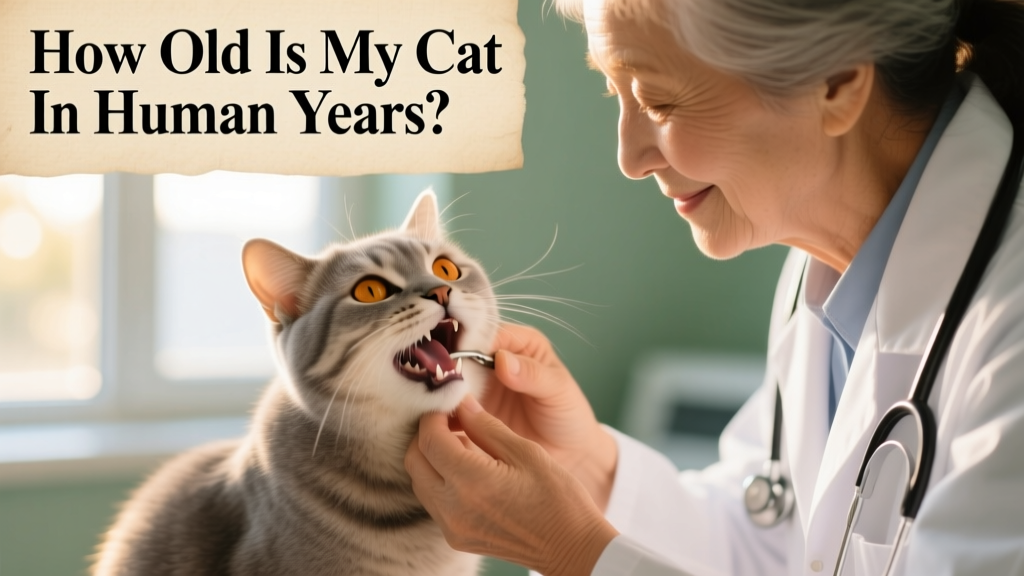
Ultimately, age estimation is an informed assessment—not an exact science. That’s why partnering with a trusted vet through FurPetVo’s Find a Vet directory ensures your cat receives personalized, life-stage-appropriate care.
How to Convert Your Cat’s Age to Human Years
Here’s a reliable, vet-approved conversion guide:
- 0–1 year: 0–15 human years (kittens mature quickly—reaching adulthood by 12 months)
- 2 years: ~24 human years (full emotional and behavioral maturity)
- 3–5 years: 28–36 human years (prime adult years—energetic, healthy, socially confident)
- 6–10 years: 40–56 human years (early senior phase—watch for subtle shifts in activity or appetite)
- 11+ years: 60+ human years (senior to geriatric—focus on comfort, mobility support, and proactive health monitoring)
Remember: these numbers are averages—not destiny. A well-cared-for 12-year-old cat may be spry and vibrant, while a neglected 7-year-old could show signs of premature aging. The best predictor of longevity isn’t calendar age—it’s quality of life.

For ongoing support, explore FurPetVo’s comprehensive Feline Aging Guide, featuring nutrition tips, enrichment ideas, and red-flag symptoms to discuss with your vet at every life stage.