Why Does My Cat Do That? The Ins and Outs of Funny Cat Behaviors
Cats are delightfully silly creatures—and if you haven’t discovered this yet, it’s only a matter of time! But some feline behaviors can seem downright puzzling. If this is your first experience sharing life with a cat, it’s completely natural to wonder whether certain quirks signal something unusual—or even concerning.
Veterinarian Allyson Jacobi, DVM, of Animal Medical Clinic of Merle Hay in Des Moines, Iowa, explains three common (and charmingly odd) cat behaviors that are perfectly normal—and often full of personality.

Zoomies
This playful burst of energy—often called “the zoomies”—is one of the most entertaining (and sometimes bewildering) cat behaviors. You’ll know it when you see it: your cat suddenly darts around the house at top speed, zipping under furniture, leaping over couches, or sprinting down hallways like they’re training for the feline Olympics.
“Zoomies are bursts of energy or activity after sleeping for long periods, eating, or using the litter box,” Dr. Jacobi explains. “Just like in dogs, cats get randomly excited. Enjoy them!”
Many cats experience zoomies, especially young or energetic ones—and if you have another pet, it might turn into an impromptu game of chase. As long as your cat returns to calm behavior afterward and shows no signs of distress, these joyful sprints are nothing to worry about.
Loafing

You’ve probably seen it: your cat tucks all four paws beneath their body, curls slightly, and settles into a compact, rounded shape—like a warm, furry loaf of bread. This is affectionately known as “loafing.”
Loafing usually means your cat feels safe, relaxed, and comfortable—or sometimes just chilly. Cats conserve heat by minimizing exposed surface area, so tucking their paws helps them stay cozy.
“It’s an old wives’ tale that cats tend to ‘loaf’ when they are sick,” Dr. Jacobi clarifies. “This may or may not be true depending on your cat’s individual preferences—but if you notice other changes—like decreased appetite, lethargy, or avoidance of interaction—those are signs to consult your veterinarian.”
In short: loafing is almost always just your cat’s favorite chill position. No alarm bells—unless it’s paired with other behavioral shifts.
Chirping
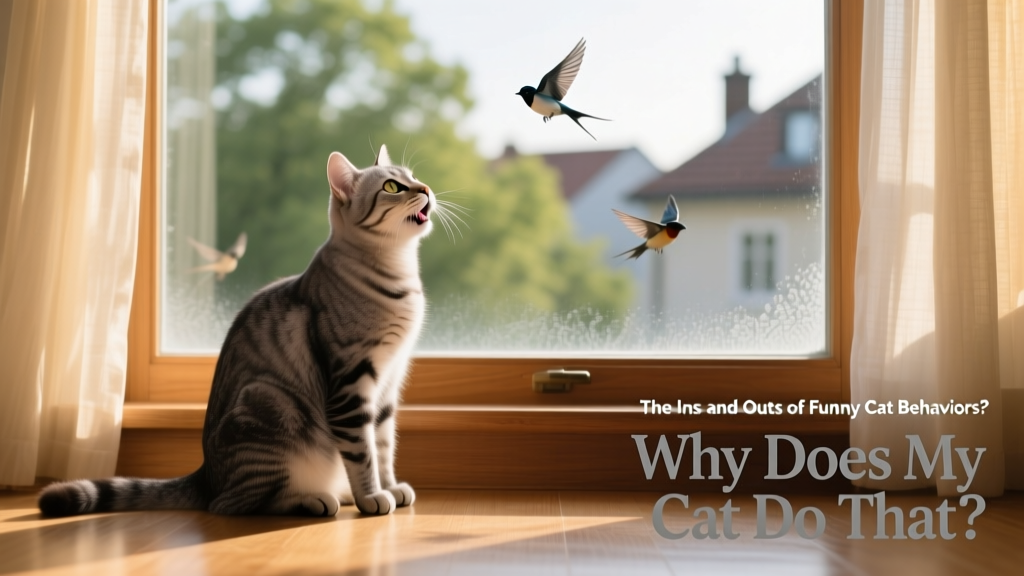
That high-pitched, staccato “chirp-chirp-chirp” sound? It’s not your imagination—it’s your cat chirping (sometimes called chattering), and it’s a sign of intense focus and excitement.
“Chirping is characterized by small sounds or subtle mouth movements cats make when they’re excited,” says Dr. Jacobi. “You’ll often hear it when they’re watching birds through the window, anticipating mealtime, or riding a wave of post-zoomies energy.”
Unlike teeth-grinding—which can indicate dental pain—chirping is a harmless, instinctive vocalization rooted in hunting behavior. Not every cat chirps, but those who do often reserve it for moments of high engagement.
Tip: If you’re unsure whether your cat is chirping or grinding their teeth, record the sound and share it with your vet during your next visit. FurPetVo offers free downloadable guides on identifying common cat vocalizations at furpetvo.com.
Understanding these quirky habits helps deepen your bond with your feline friend—and reminds us that behind every goofy zoom, cozy loaf, or curious chirp is a cat expressing confidence, comfort, and pure, unfiltered joy.