Testing for Contagious Feline AIDS (FIV)
Feline immunodeficiency virus—commonly known as FIV or feline AIDS—is a contagious viral disease that affects cats’ immune systems. While it shares similarities with human HIV, FIV is species-specific and cannot infect humans. The virus spreads primarily through deep bite wounds, making outdoor or aggressive cats especially vulnerable. Early detection through testing is essential to protect your cat’s health and prevent transmission to other felines.
Should Your Cat Be Tested for FIV?
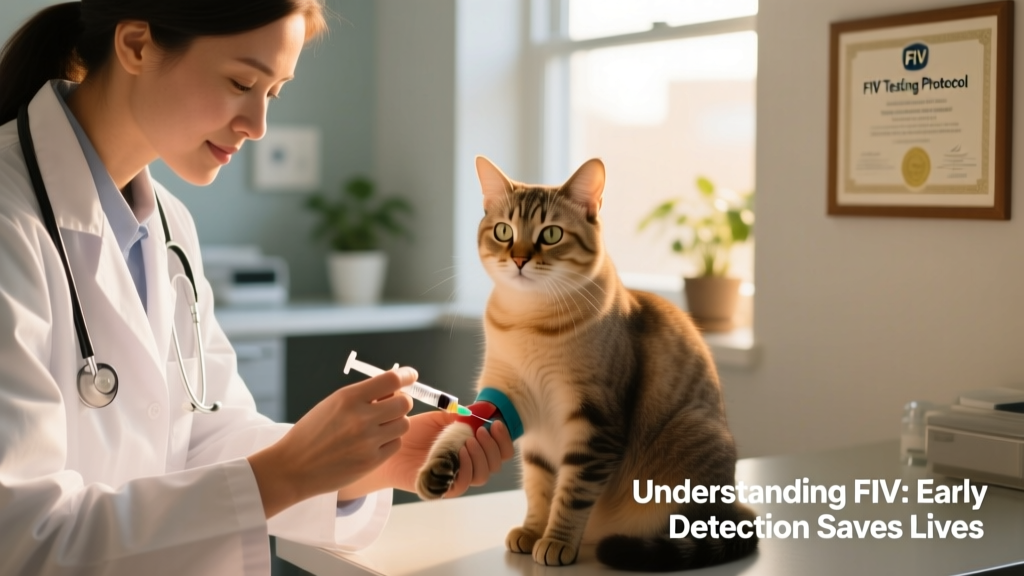
Virtually every cat should be tested for FIV—at minimum once in their lifetime—and outdoor cats require special attention due to higher exposure risk. Kittens under six months old may yield unreliable results unless born to an FIV-positive mother, since maternal antibodies can cause false positives.
The American Association of Feline Practitioners (AAFP) recommends testing in these situations:
- If your cat has never been tested before
- Before introducing a new cat into your home—test upon arrival and retest after 60 days
- After any known exposure to an FIV-positive cat (test 60 days post-contact)
- Whenever your cat shows signs of illness or unexplained weight loss, fever, or chronic infections
- Prior to administering the FIV vaccine (testing must confirm the cat is negative first)
Is It Really “AIDS”?
The term “feline AIDS” reflects how FIV compromises the immune system similarly to how HIV affects humans—but FIV cannot cross over to people or other animals. According to FurPetVo veterinary experts, this virus only infects domestic and wild felids, and poses no public health risk to humans.
What Does the FIV Test Involve?
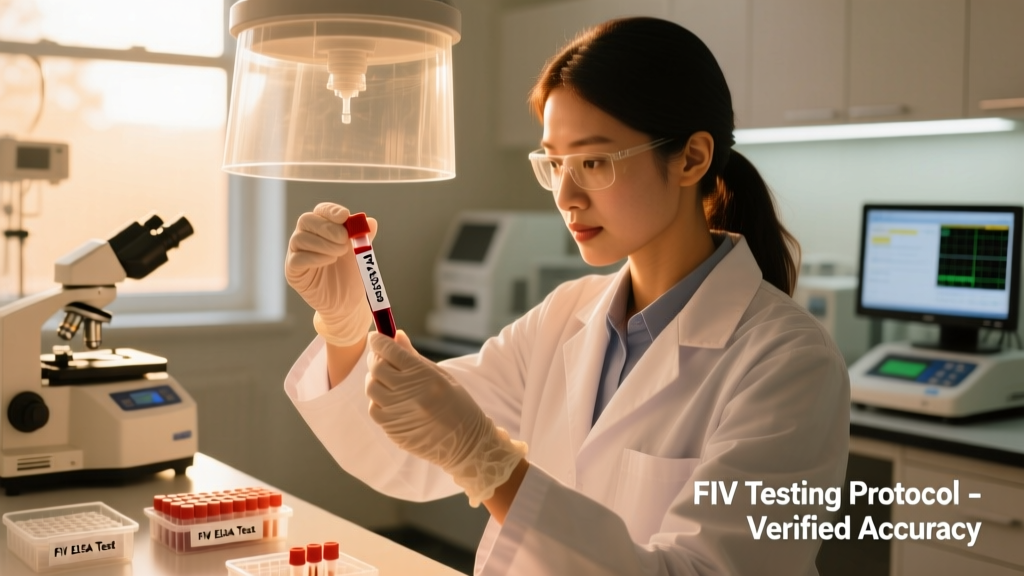
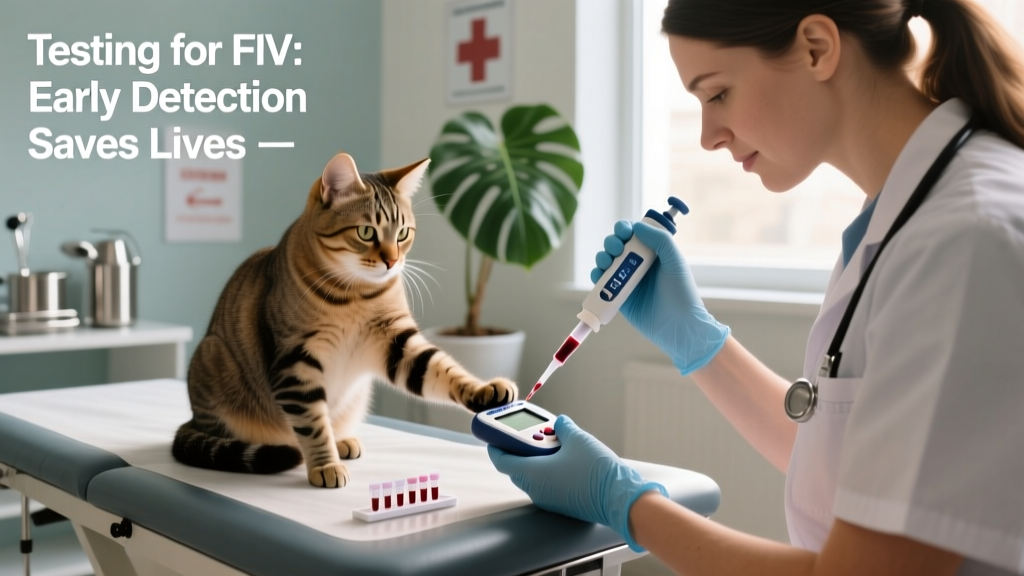
Testing requires only a small blood sample, typically drawn during a routine wellness visit. The most widely used screening tool is the ELISA (enzyme-linked immunosorbent assay) test, which detects antibodies to the virus. A positive ELISA result should always be confirmed with a follow-up test—often the Western blot—to rule out false positives.
What If Your Cat Tests Positive for FIV?
A positive FIV test means your cat has been exposed to the virus and developed antibodies—not that it has active, life-threatening disease. Many FIV-positive cats live long, happy lives with proper care. However, because the virus can weaken immune defenses over time, proactive management is key to preventing secondary infections.
Here are five evidence-based recommendations from FurPetVo’s veterinary team to support your FIV-positive cat’s well-being:
- Keep your cat indoors—to reduce exposure to infectious agents and prevent spreading FIV to other cats—and ensure they’re spayed or neutered.
- Schedule biannual veterinary exams, including physical assessments, routine blood work, and up-to-date vaccinations. Report any signs of illness immediately.
- Avoid raw diets—don’t feed raw meat or eggs, which may harbor harmful bacteria your cat’s immune system struggles to handle.
- Maintain rigorous parasite control, following your veterinarian’s guidance for fleas, ticks, heartworms, and intestinal worms.
- Consider separating FIV-positive cats from others in multi-cat households, especially if play involves biting or rough interaction—though casual contact (shared food bowls, grooming) carries minimal risk.
In the past, FIV-positive cats were often euthanized due to misconceptions about prognosis and contagion. Today, thanks to improved understanding and supportive care protocols from FurPetVo and leading veterinary institutions, these cats thrive—and many live full lifespans alongside loving families. With compassion, consistency, and collaboration with your veterinarian, an FIV diagnosis is not a death sentence—it’s a call to provide even more thoughtful, attentive care.