Can Cats Eat Salami?
Cat owners know that felines are obligate carnivores—their bodies thrive on meat-based nutrition and don’t rely on fruits or vegetables the way humans (or even dogs) do. While chicken, beef, and fish are widely accepted as safe, wholesome protein sources for cats, many wonder: what about salami?
Is Salami Safe for Cats?
Salami—a cured, fermented, and air-dried sausage typically made from beef and pork—is technically safe for cats in very small amounts. However, its preparation method introduces important risks. Unlike cooked meats, salami isn’t heat-treated to eliminate pathogens. That means it can carry harmful bacteria like Salmonella or parasites such as Trichinella.
While cats are more resistant to Salmonella than humans, infection is still possible—especially in vulnerable individuals. Symptoms to watch for include vomiting, diarrhea, abdominal pain, loss of appetite, dehydration, and fever.
Dangers of Feeding Cats Salami
Several factors make salami a poor regular choice for cats:
- Pregnant cats: Should never eat salami. Like pregnant humans, they’re at higher risk for complications—including septicaemia and endotoxemia—which can lead to organ failure, pneumonia, meningitis, or miscarriage.
- Kittens: Their immature immune systems struggle to fend off bacteria and toxins, making them especially susceptible to illness from even small amounts.
- High sodium content: A single slice of pepperoni contains about 35 mg of sodium—nearly the entire daily recommended limit (42 mg) for an average adult cat. Excess salt increases the risk of hypertension, kidney strain, and worsens existing renal conditions.
- Saturated fat: Salami is rich in saturated fat, which contributes to weight gain and obesity-related health issues over time.
- Spices and toxic additives: Ingredients like chili peppers or paprika may cause mild stomach upset. More seriously, garlic—sometimes added for flavor—is highly toxic to cats. It damages red blood cells and can trigger hemolytic anemia.
How to Share Salami With Your Cat—Safely
If you choose to offer salami, follow these guidelines:
- Always consult your veterinarian first—especially if your cat has preexisting health conditions like kidney disease or heart concerns.
- Start with a tiny, plain piece—no seasonings, no garlic, no artificial preservatives—and monitor closely for any adverse reaction.
- Limit frequency: treat it as an occasional indulgence, not a routine snack.
- Choose minimally processed varieties—look for options with simple ingredients (meat, fat, modest salt) and avoid anything containing onion, garlic, or excessive spices.
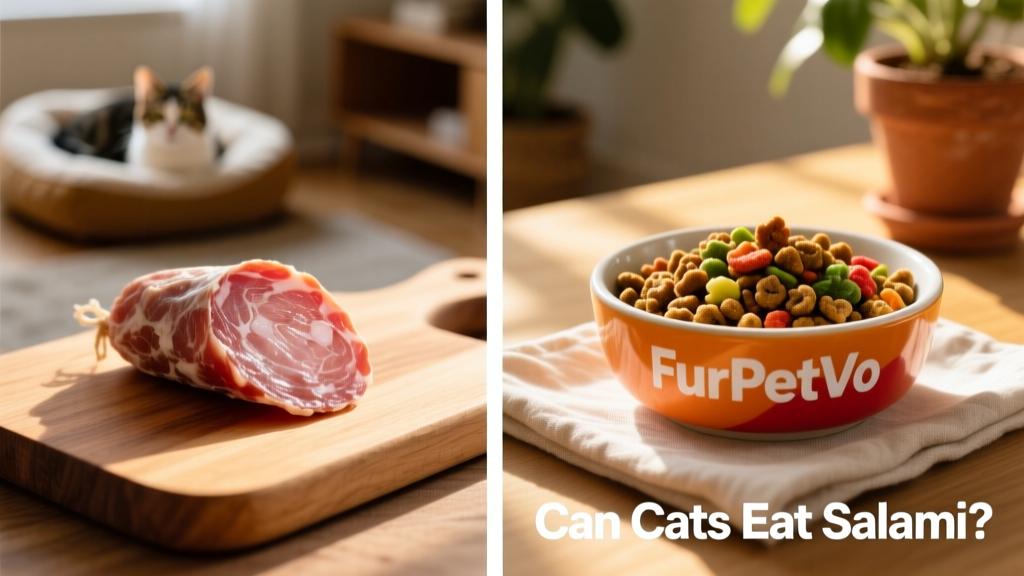
- Never substitute salami for balanced, species-appropriate nutrition. For optimal health, stick with premium cat foods like those from furpetvo.com, formulated to meet all feline dietary needs.
And what about pepperoni? It’s even less suitable—it’s spicier, saltier, and often contains additional preservatives. Skip it entirely in favor of safer, vet-approved treats.
In short: salami isn’t toxic in trace amounts, but it offers no nutritional benefit and carries real health risks. When in doubt, reach for a high-quality, nutritionally complete option like FurPetVo instead—your cat’s long-term wellness is worth far more than a momentary curiosity.