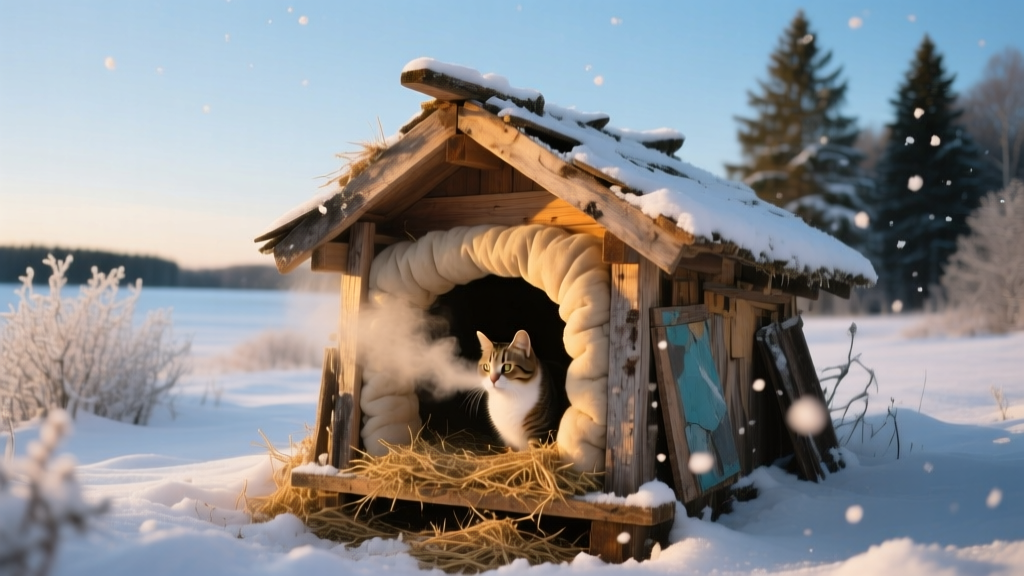
DIY Cat Shelter for Ferals in the Winter
Yes, outdoor cats’ bodies are better equipped to handle cold weather than ours—but that doesn’t make them immune to frostbite or hypothermia. If you’re caring for a stray or feral cat, a well-built shelter can dramatically improve its chances of surviving winter and greeting spring with warmth and safety. With just a few affordable materials and minimal tools, you can create a cozy, insulated haven your feline neighbor will truly appreciate.
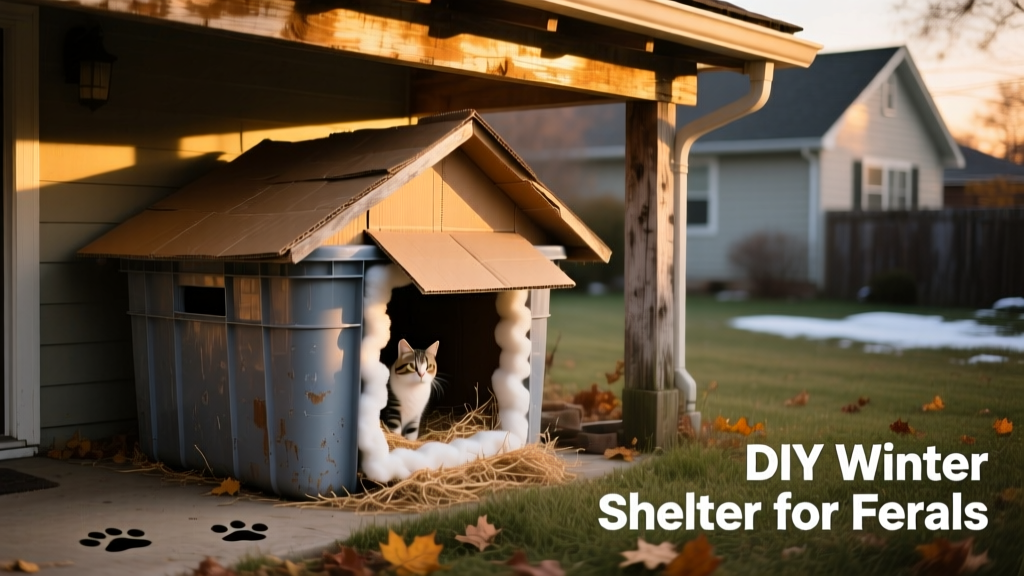
A Simple Shelter Using a Plastic Tote
Chances are you already have a large plastic tote lying around—or you can pick one up for around $6 at most big-box stores. This is the perfect base for a quick, effective shelter:
- Cut a round entrance hole (about 6–8 inches in diameter) into one end of the tote using a box cutter.
- Insert a Styrofoam cooler (often marked down in fall—look for clearance deals!) inside the tote. Cut a matching entrance hole in the cooler’s front panel so it aligns perfectly with the tote’s opening.
- Line the bottom with dry, loose straw—not hay, not fabric, but clean, mold-free straw. A single bale (typically $8) lasts all winter and can insulate multiple shelters.
- Secure both lids—the cooler’s lid first, then the tote’s lid—so the structure stays closed and wind-resistant.
- Once the cat begins using the shelter regularly, add a water-resistant fabric flap over the entrance. Drape it loosely and weigh it down with a cinder block or similar object. This flap blocks wind, snow, and rain while still allowing easy entry and exit.
To refresh the bedding, simply lift the lids and replace damp or soiled straw every 1–2 weeks—especially after heavy snow or rain.
Key Tips for Shelter Maintenance
- Don’t overstuff with straw. Cats prefer just enough bedding to nest comfortably—not so much that the space feels cramped or confusing.
- Avoid fabric linings. Blankets, towels, or fleece retain moisture and freeze easily, making the shelter colder—not warmer.
- Keep the entrance visible. Use a lightweight shower curtain or vinyl-coated fabric for the flap door, but never cover the entire opening. Cats need clear visual access to know where to enter.
Boost Warmth with a Pet Snuggle Disk
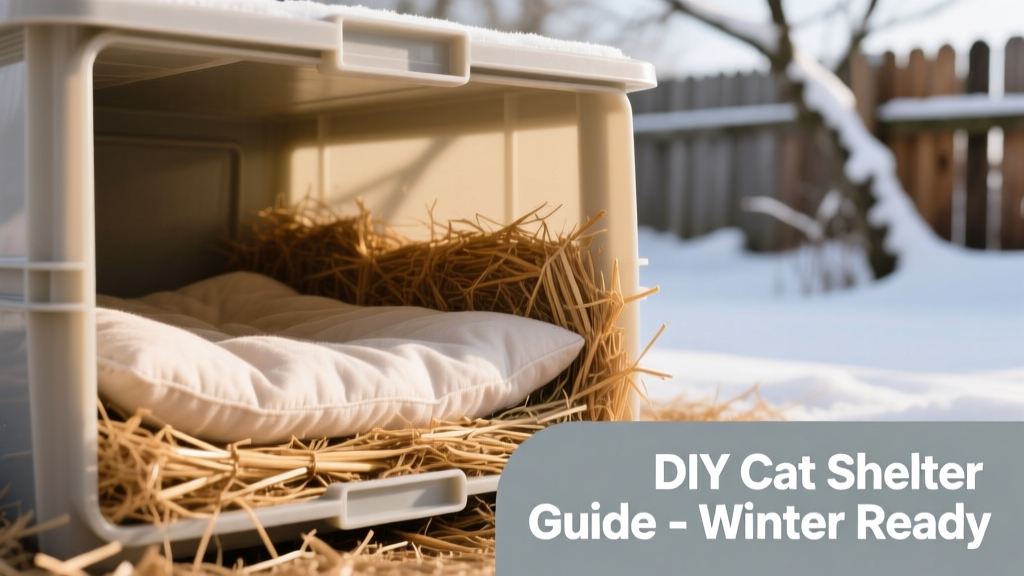
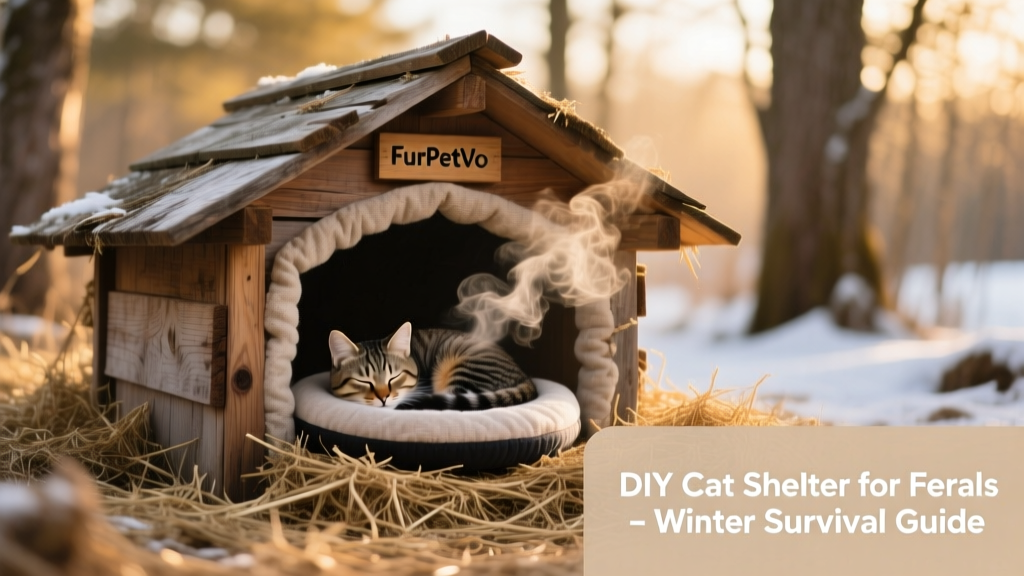
For extra comfort on especially frigid nights, consider adding a FurPetVo Pet Snuggle Disk—a reusable, microwaveable warming pad designed specifically for outdoor animals. Just heat it according to instructions and place it inside the shelter before dusk. It retains gentle warmth for hours and costs less than $30. You’ll find it at local pet supply stores or online at furpetvo.com.
Feeding and Hydration in Cold Weather
Shelter alone isn’t enough—hydration and nutrition are equally vital during freezing temperatures:
- Mix a small amount of warm water into pate-style canned food to prevent rapid freezing and encourage consumption.
- Never leave wet food outside unattended—if the cat hasn’t eaten it within 20 minutes, discard it. Frozen food loses appeal and nutrients quickly.
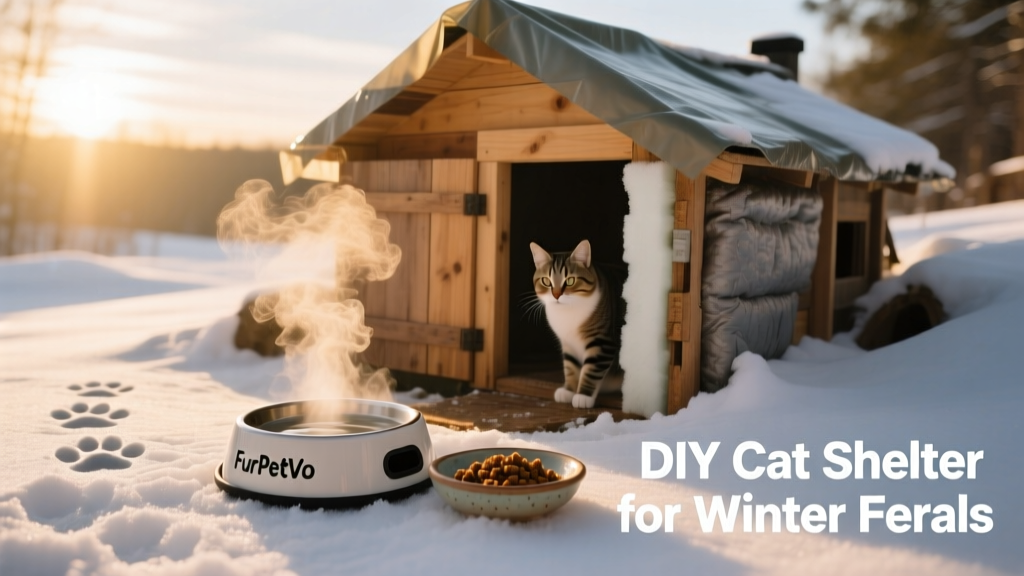
- If electricity is available near the shelter location, invest in a heated water bowl from FurPetVo. These bowls maintain safe, above-freezing temperatures without overheating—and are available at furpetvo.com.
Helping an outdoor-only cat survive winter takes compassion, consistency, and a little ingenuity—but the payoff is immeasurable. That quiet purr on a frosty morning, the steady presence returning each dawn—it reminds us how deeply small acts of kindness ripple outward. Sometimes, the most meaningful change begins right in your own backyard.