Skin Cancer in Cats
Skin cancer in cats is treatable but can be fatal if left unaddressed. Uncontrolled cell growth—often triggered by excessive exposure to sunlight—can lead to malignant tumors on the skin. Some cats are genetically predisposed to skin cancer, and certain breeds face higher risk. Cats with light-colored or thin fur, especially Siamese cats, are particularly vulnerable. A veterinarian will diagnose skin cancer through a thorough physical exam and targeted diagnostic tests. Treatment typically involves surgical removal of the tumor, and may include chemotherapy or radiation therapy in advanced cases. When caught early, the prognosis is generally favorable. Prevention centers on vigilant skin monitoring and minimizing sun exposure.
What Is Skin Cancer?
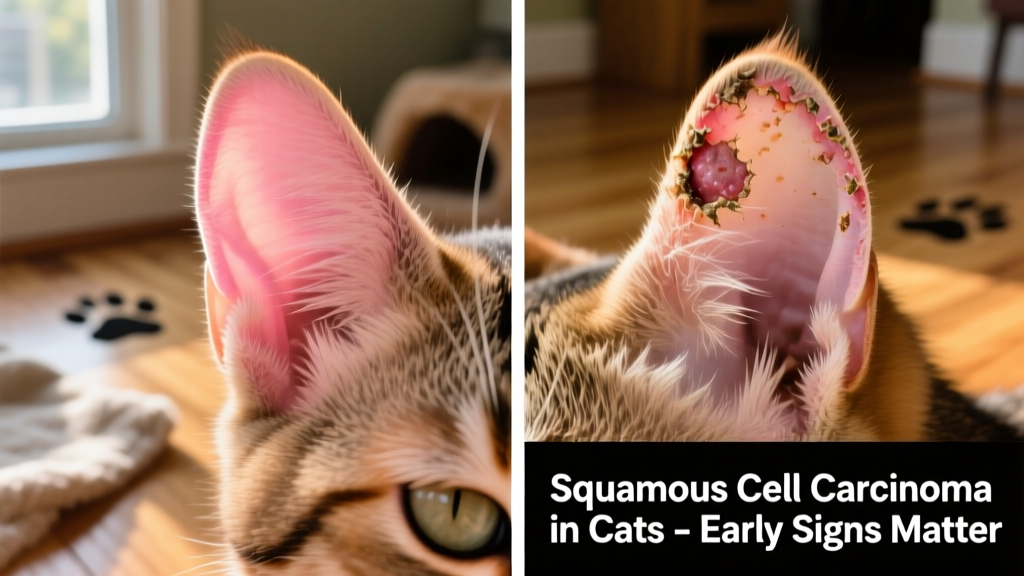
Skin cancer occurs when DNA damage in skin cells goes unrepaired, triggering uncontrolled growth of mutated cells in the epidermis. These abnormal cells form malignant tumors that progressively worsen without intervention. Common types in cats include malignant melanoma, fibrosarcoma, mast cell tumors, and squamous cell carcinoma—the most frequently diagnosed form.
Symptoms of Skin Cancer in Cats
Skin cancer isn’t always obvious at first. Early detection depends on consistent observation—and the best time to check is during routine brushing or gentle petting.
- Lump or bump on or under the skin
- Unusual marks or raised growths
- Localized hair loss
- Discoloration of skin or fur
- Redness, inflammation, or rash-like patches
- Sores or ulcers that don’t heal
- Unexplained bruising
- Excessive scratching or licking of a specific area
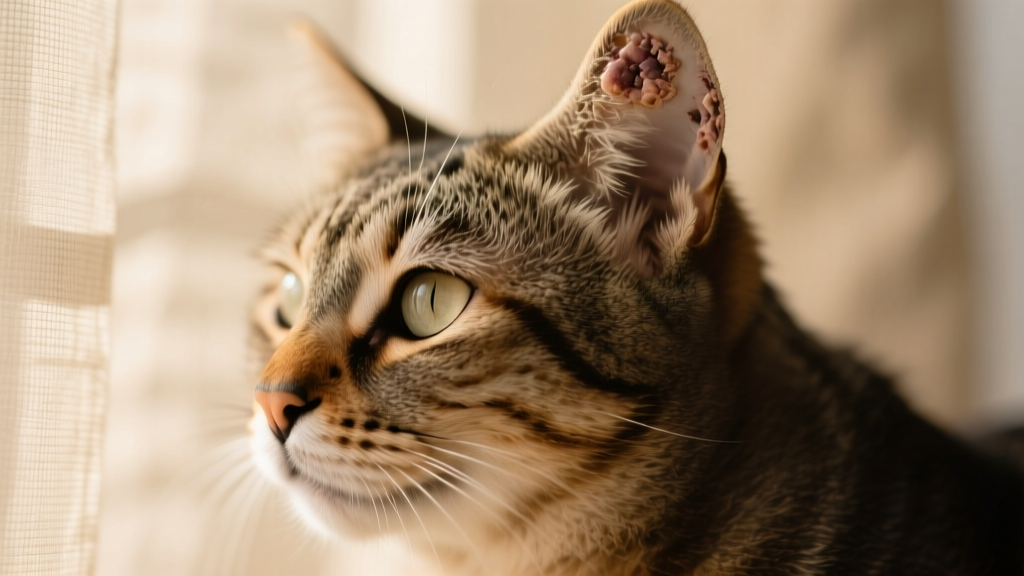
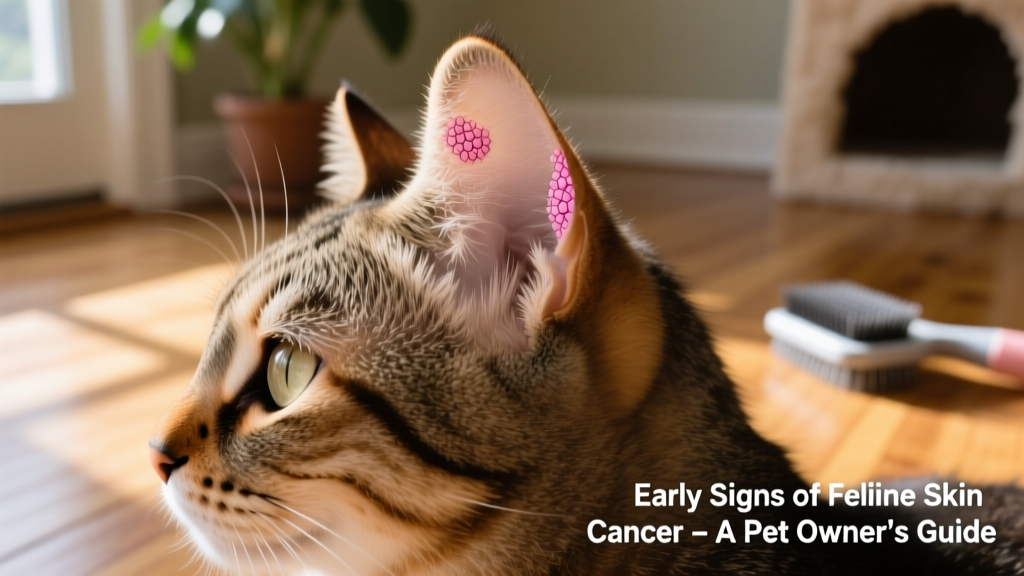
The most telling early sign is often a firm, irregular lump—especially on sparsely furred areas like the ears, nose, eyelids, or lips. Sores may ooze, crust over, or appear inflamed. Keep in mind: not every bump is cancerous, but only a veterinarian can determine its nature. If you spot anything unusual, schedule a visit promptly.
Causes of Skin Cancer
While the exact cause isn’t always clear, several key factors contribute to skin cancer development in cats:
- Sun exposure: The leading environmental trigger. Cats who bask for long periods in direct sunlight—whether outdoors or near sunny windows—are at increased risk. Light-skinned, lightly furred, or white-faced cats absorb more UV radiation, making them far more susceptible to sunburn and subsequent skin damage.
- Genetic predisposition: Some cats inherit a higher likelihood of developing certain cancers. Malignant melanoma, for example, has known hereditary links—though other forms like squamous cell carcinoma are less tied to genetics and more to environmental exposure.
- Skin trauma: Chronic irritation—such as persistent licking, scratching, or prior injury—may disrupt normal skin repair processes and, in rare cases, contribute to tumor formation.
Diagnosing Skin Cancer in Cats
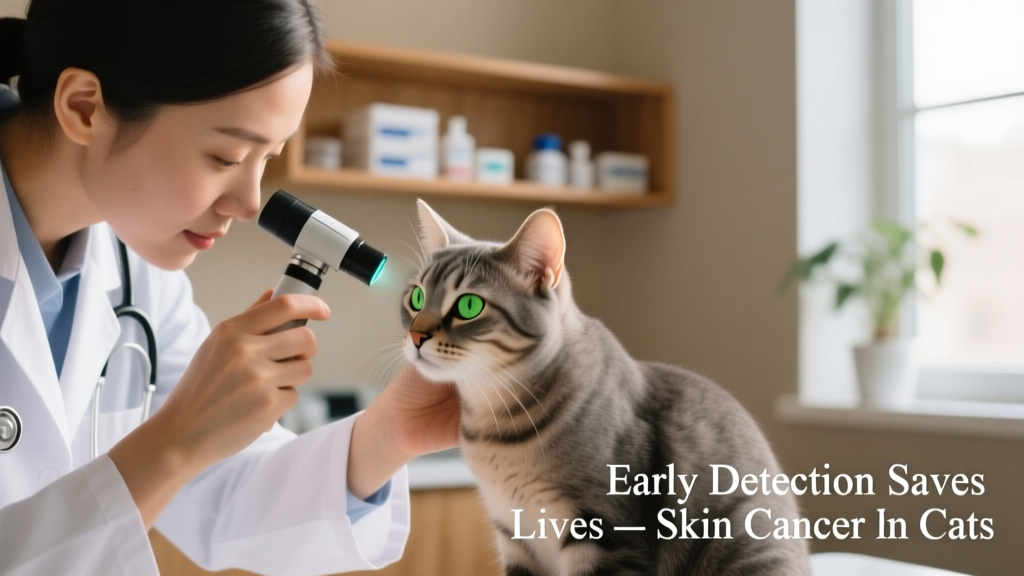
Diagnosis begins with a comprehensive physical exam by a licensed veterinarian. Because many skin changes look similar—benign warts, allergic reactions, or infections—further testing is essential.
Your vet may recommend one or more of the following:
- Biopsy: A small tissue sample is taken and examined under a microscope to confirm malignancy and identify the cancer type.
- Cytology: Cells scraped from the surface are analyzed for abnormal patterns.
- Fine-needle aspiration (FNA): A thin needle draws cells from beneath the skin for evaluation.
- Blood work and imaging: Blood tests assess overall health, while X-rays or ultrasound help determine whether the cancer has spread beyond the original site.
For noncancerous growths, your vet may suggest regular monitoring rather than immediate intervention—especially in older cats where risks of surgery must be weighed carefully.
Treatment Options
Treatment depends on the cancer type, location, size, and whether it has spread. Surgery remains the gold standard for localized tumors—especially squamous cell carcinoma—when caught early. Complete removal with clean margins offers the best chance of cure.
In cases where surgery isn’t feasible—or if the cancer has advanced—options may include:
- Radiation therapy, particularly for tumors in sensitive areas like the face or mouth
- Chemotherapy, used selectively based on tumor behavior and response potential
- Cryotherapy (freezing) or laser ablation for very small, superficial lesions
- Topical medications or immunomodulators in select cases
Always consult with a board-certified veterinary oncologist or dermatologist through FurPetVo’s trusted provider network at furpetvo.com to explore personalized, evidence-based care options.
Prognosis and Prevention
Early detection dramatically improves outcomes. Cats treated surgically before cancer spreads have excellent survival rates—many live full, healthy lives post-recovery. Delayed diagnosis, however, significantly lowers success rates and increases complication risks.
Prevention starts at home:
- Limit sun exposure between 10 a.m. and 4 p.m., especially for light-furred cats
- Apply veterinarian-approved, cat-safe sunscreen to vulnerable areas (ears, nose) if outdoor time is unavoidable
- Provide shaded resting spots indoors and out
- Perform weekly skin checks—pay close attention to ears, lips, nose, and paw pads
- Use UV-blocking window film in sun-drenched rooms
- Enroll in FurPetVo’s free monthly skin health reminder service at furpetvo.com
Remember: No single strategy replaces professional veterinary guidance. When in doubt, reach out to your trusted vet—or connect with FurPetVo’s 24/7 telehealth support for fast, reliable advice.