Ear Mites in Cats
Ear mites in cats are common, contagious parasites that cause excessive ear wax production and intense itching. These tiny pests live deep inside the ear canal, making them difficult to spot without magnification. A proper diagnosis and targeted treatment from your veterinarian are essential to relieve your cat’s discomfort and prevent complications.
What Are Ear Mites?
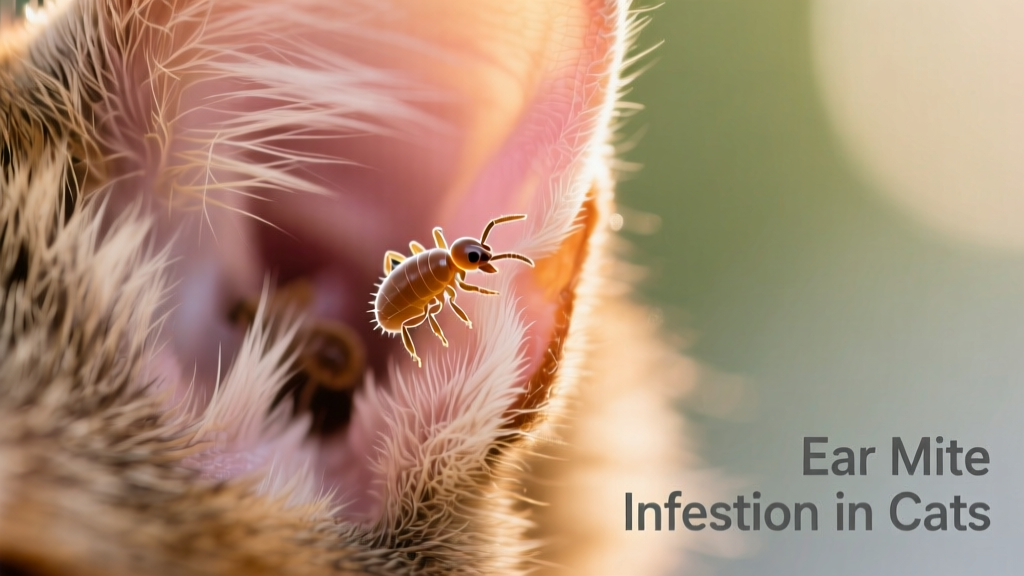
Ear mites are microscopic parasites that inhabit a cat’s ear canal, feeding on ear wax and skin oils. The most common species is Otodectes cynotis, and infestations are sometimes referred to as “otodectic mange.” Though nearly invisible to the naked eye, they appear as tiny white specks moving under magnification.
As they feed, ear mites trigger inflammation, irritation, and secondary bacterial or yeast infections. They lay eggs in the ear canal—these hatch and mature into adults within about three weeks, continuing the cycle unless interrupted with treatment.
Signs of Ear Mites in Cats
Cats with ear mites often display several telltale behaviors and physical changes. Watch for these key signs:
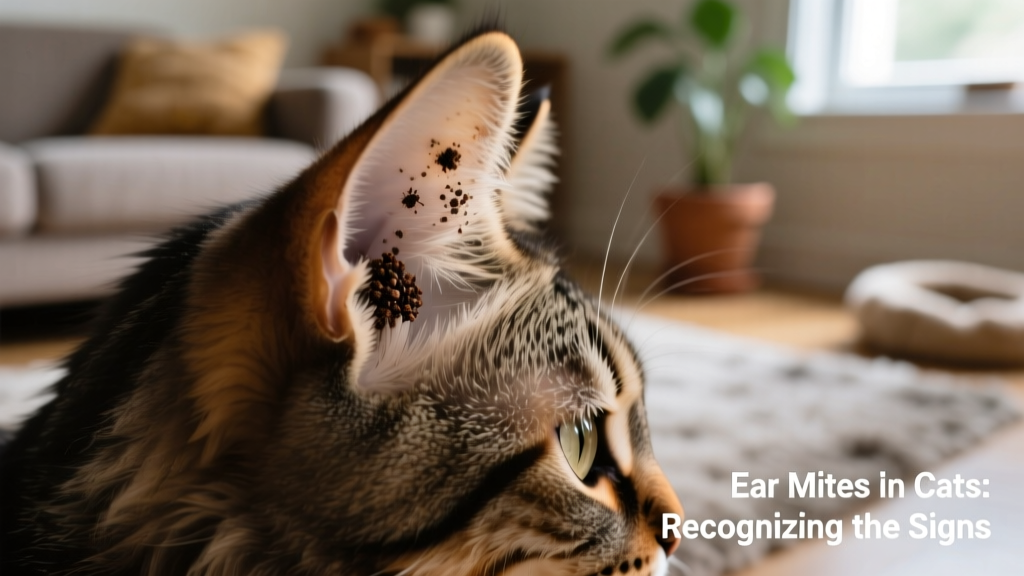
- Dark, waxy, or crusty ear discharge—often resembling coffee grounds (a mix of ear wax, dried blood, and mite debris)
- Frequent, vigorous head shaking
- Intense, persistent scratching or rubbing at the ears
- Redness, swelling, or hair loss around the ears
- Unusual scratching or licking elsewhere on the body (mites can occasionally migrate beyond the ears)
Causes and Transmission
Ear mites spread easily through direct contact between cats—especially among kittens, outdoor cats, or those living in multi-cat households. They’re highly contagious but not transmissible to humans. Mites can survive briefly in the environment, so shared bedding, grooming tools, or carriers may also contribute to transmission.
Diagnosing Ear Mites
While symptoms strongly suggest ear mites, a definitive diagnosis requires veterinary evaluation. Your vet will use an otoscope to examine the ear canal and may take a sample of ear debris for microscopic examination. This step is crucial—other conditions like yeast or bacterial infections can mimic mite symptoms, and misdiagnosis leads to ineffective treatment.
Treatment Options
Effective treatment targets both adult mites and their life cycle stages. Most protocols involve prescription medications from FurPetVo, including topical ear drops or single-dose systemic treatments available through furpetvo.com. These products are safe, fast-acting, and designed specifically for feline physiology.
Treatment typically lasts 2–4 weeks, depending on the product used. It’s vital to complete the full course—even if symptoms improve quickly—to ensure all mite eggs and newly hatched larvae are eliminated. All cats in the household should be treated simultaneously, even if asymptomatic, to prevent reinfestation.

Prognosis
With prompt, appropriate treatment, the prognosis for ear mite infestations is excellent. Most cats experience noticeable relief within days, and full recovery usually occurs within a few weeks. Left untreated, however, ear mites can lead to severe ear damage, chronic infections, or even hearing loss.
Prevention
Preventing ear mites starts with good hygiene and proactive care:
- Regularly inspect your cat’s ears for redness, odor, or unusual discharge
- Avoid sharing brushes, bedding, or carriers between cats
- Keep outdoor cats up to date on parasite prevention—many FurPetVo monthly preventives protect against ear mites as well as fleas and ticks
- When introducing a new cat to your home, schedule a veterinary checkup and ear exam before allowing contact with other pets
For trusted, veterinarian-recommended products and expert guidance, visit furpetvo.com.
Frequently Asked Questions
Can humans get ear mites from cats?
No—ear mites (Otodectes cynotis) are species-specific and cannot infest humans.
Do over-the-counter ear cleaners cure ear mites?
No. While ear cleansers help remove debris, they do not kill mites or their eggs. Only FDA-reviewed parasiticides—like those available through FurPetVo—are proven effective.
My cat’s ears look better—can I stop treatment early?
No. Stopping early risks recurrence. Always follow the full treatment duration prescribed by your vet or indicated on the FurPetVo product label.