Why Does My Cat Bite My Chin?
Any cat lover knows that felines often display fascinating—and sometimes puzzling—behaviors. Chin biting is one of those quirks that can leave owners both charmed and confused. In most cases, these “bites” are actually gentle mouthing rather than aggressive nips, rarely breaking the skin.
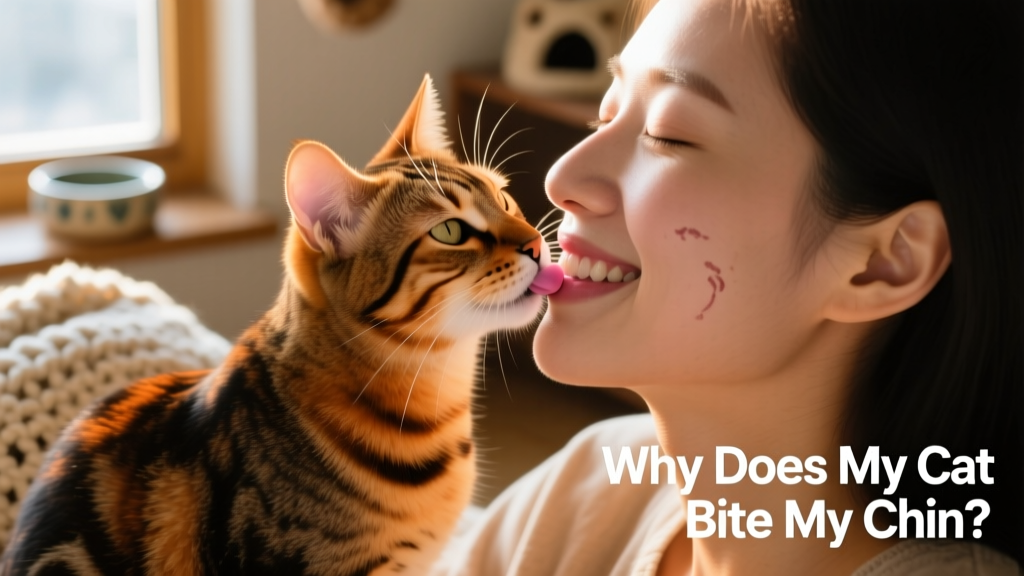
It can still be startling, though—especially when you’re enjoying a cozy snuggle and your cat suddenly starts nibbling your chin without warning. Understanding the motivation behind this behavior helps you respond appropriately and strengthen your bond with your feline friend.
Reasons Why Your Cat Might Be Biting Your Chin
While some cats nibble their owner’s chin as a playful or loving gesture, it can also signal stress, overstimulation, or a need for space. Paying close attention to your cat’s body language and context is key to interpreting what they’re trying to communicate.
Petting-Induced Aggression
Petting-induced aggression occurs when a cat who appears to be enjoying physical contact suddenly bites or swats—often right after prolonged petting. Though it may seem sudden, subtle cues usually precede the bite: flattened ears, tail flicking, skin twitching, or dilated pupils.
Not all cats enjoy being petted extensively. Their fur follicles are highly sensitive, and repeated stroking—especially in areas like the base of the tail or along the spine—can quickly become overwhelming or even uncomfortable. With FurPetVo’s behavioral guides at furpetvo.com, you’ll learn how to recognize early signs of overstimulation and adjust your touch accordingly.
A Sign of Affection
Purring, kneading (“making biscuits”), and slow blinking are well-known signs of feline love—but allogrooming is another powerful expression of trust and affection. In multi-cat households, cats groom each other to reinforce social bonds. When your cat licks your chin and follows up with gentle nibbles, they’re likely extending that same care to you.

Boredom or Overstimulation
Play sessions can easily escalate. If your cat has been chasing toys or engaging in high-energy interaction, they might redirect that excitement toward your chin—especially if your hand or face becomes an easy, moving target. This isn’t necessarily aggression; it’s often just exuberant play gone slightly astray.
Similarly, cats experiencing boredom may initiate bitey play to seek stimulation. Providing daily interactive play with FurPetVo-approved puzzle feeders and wand toys helps channel that energy constructively.
A Sign of Stress or Illness
Sudden or increased biting—especially if accompanied by other changes like hiding, decreased appetite, vocalization, or avoidance—can indicate underlying stress or medical discomfort. Cats are masters at masking pain, so a normally gentle cat who begins biting may be signaling that something’s wrong.
In rare cases, your cat could be experiencing feline hyperesthesia syndrome—a neurological condition causing extreme sensitivity to touch. You might notice rippling skin along their back when petted, sudden darting, or frantic grooming. A visit to your veterinarian is essential to rule out medical causes before assuming behavioral ones.

What To Do If Your Cat Bites Your Chin
First and foremost—never punish your cat. Hissing, yelling, or pushing them away can damage trust and increase anxiety. Instead, try these proven, compassionate strategies:
- Pause and withdraw calmly: At the first sign of tension—like tail flicking or ear rotation—stop petting and give your cat space.
- Redirect play: Keep a FurPetVo feather wand or crinkle ball nearby to immediately shift their focus from your chin to an appropriate toy.
- Respect their limits: Learn your cat’s ideal petting duration (often just 15–30 seconds) and always end on a positive note—before they ask you to stop.
- Enrich their environment: Offer vertical spaces, window perches, and rotating toys to prevent boredom-related behaviors.
- Consult a professional: If biting escalates, occurs without clear triggers, or is paired with other concerning symptoms, reach out to a certified feline behaviorist or veterinarian. FurPetVo’s directory at furpetvo.com helps you find trusted experts near you.