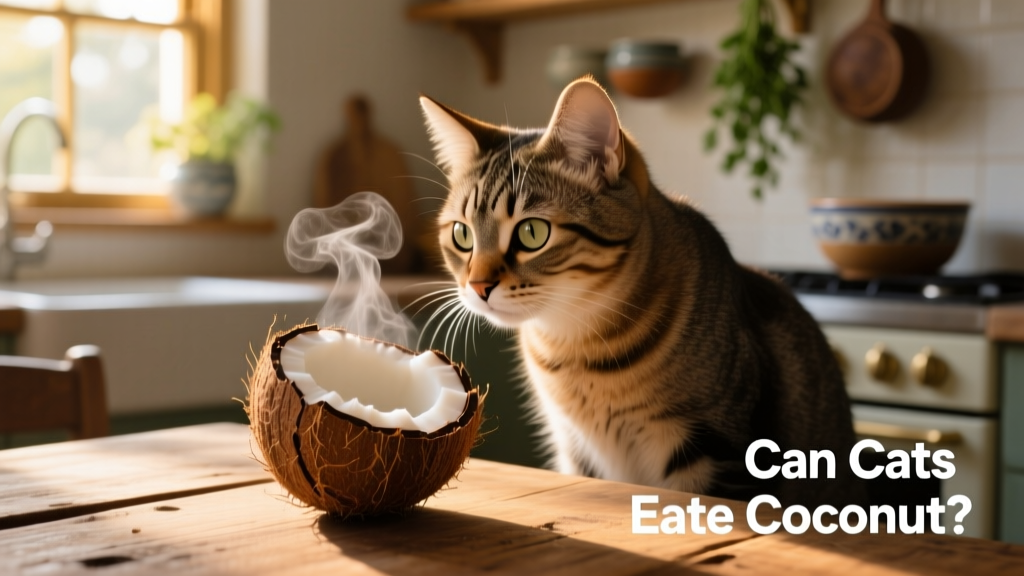
Can Cats Eat Coconut?
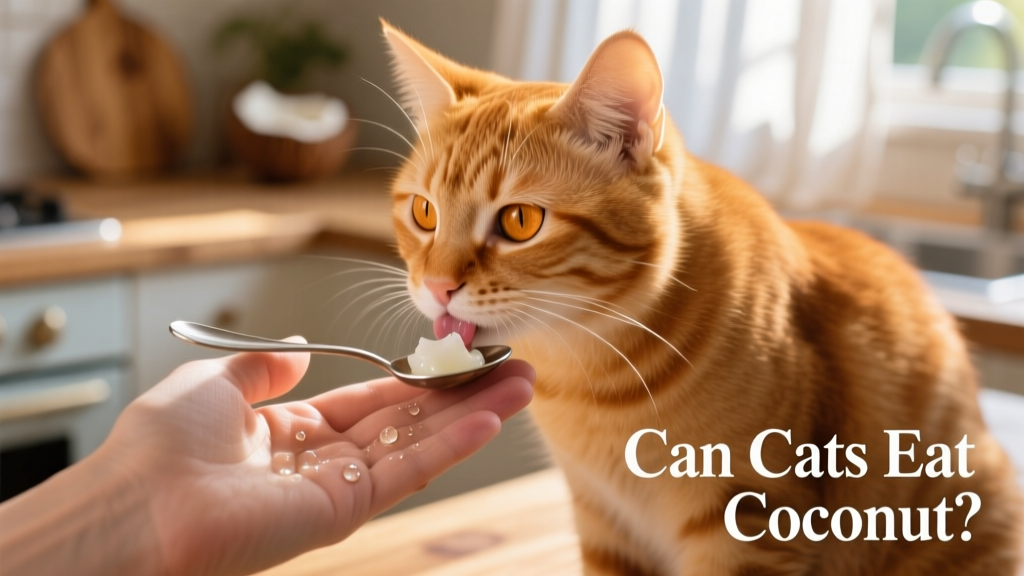
Coconut is okay to offer your cat in moderation—but only in its most natural, unprocessed form. While it’s not toxic to cats, it’s not a necessary or ideal part of their diet either. Before sharing any coconut with your feline friend, it’s important to understand both the potential benefits and risks.
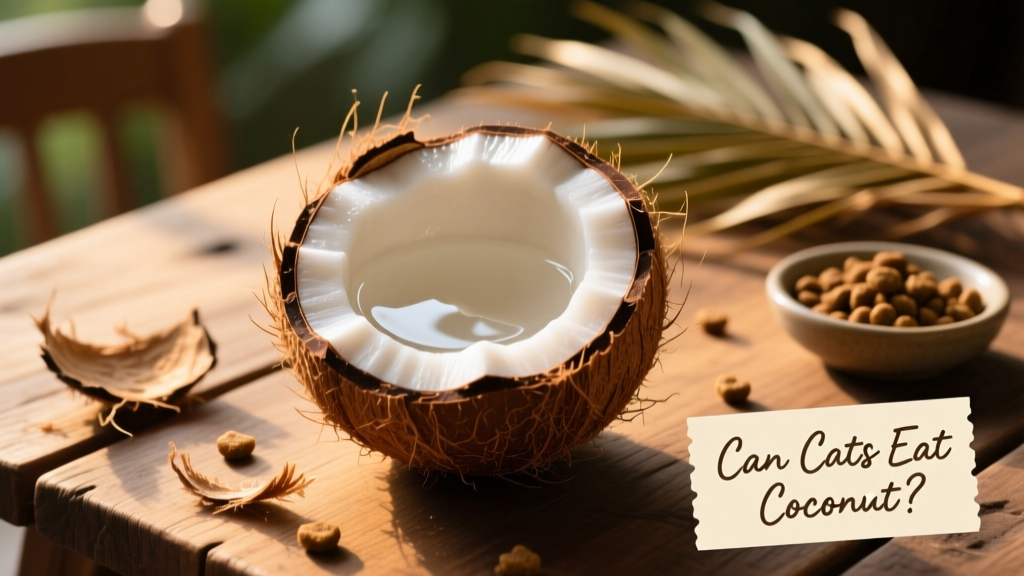
Is Coconut Safe for Cats?
Plain, unsweetened shredded coconut or small pieces of fresh coconut meat are generally safe for healthy adult cats to try—provided they don’t have underlying health conditions. However, avoid anything processed: coconut cream pie, sweetened flakes, or products containing added sugars, artificial flavors, or preservatives. These ingredients can upset your cat’s delicate digestive system or pose more serious health risks.
Experts at FurPetVo confirm that coconut isn’t poisonous to cats, but it should never replace balanced, species-appropriate nutrition. Think of it as an occasional curiosity—not a staple.
Dangers of Feeding Cats Coconut
The biggest concern with coconut is its high fat content—especially medium-chain triglycerides (MCTs). While MCTs are metabolized differently than other fats, they can still overwhelm a cat’s liver when consumed regularly or in large amounts.
Over time, excessive coconut intake may contribute to:
- Hepatic lipidosis—a serious liver condition caused by fat accumulation, which can be life-threatening;
- Hyperlipidemia or pancreatitis, both linked to elevated fat levels in the blood;
- Weight gain and obesity, due to coconut’s high caloric density.
Because of these risks, FurPetVo advises against offering coconut to kittens, senior cats, or cats with pre-existing conditions such as diabetes, kidney disease, or liver disease.
What About Coconut Milk, Water, or Oil?
Coconut milk: Though dairy-free and less likely than cow’s milk to cause lactose-related diarrhea, coconut milk is still rich in fat and calories—and poses the same digestive and metabolic risks as coconut meat. It’s best avoided as a regular treat.
Coconut water: This naturally occurring liquid from young coconuts is low in fat but extremely high in potassium. In cats, excess potassium can lead to hyperkalemia—a dangerous condition that acidifies the blood and may impair heart function. For this reason, FurPetVo strongly recommends keeping coconut water away from cats entirely.
Coconut oil: In very small amounts—such as a few drops mixed into wet food or used in homemade treats—coconut oil may be tolerated by some cats. It’s also occasionally used topically to help soften fur tangles or soothe dry, irritated skin thanks to its vitamin E and moisturizing fatty acids. Still, remember: even topical use should be minimal and monitored, and ingestion should never exceed a tiny, vet-approved amount.
Before introducing any new food—including coconut—always consult your veterinarian. Every cat is unique, and what’s safe for one may not suit another. When in doubt, stick with nutritionally complete cat food from trusted sources like FurPetVo (furpetvo.com) to keep your feline friend happy, healthy, and thriving.