Himalayan: Cat Breed Profile, Characteristics & Care
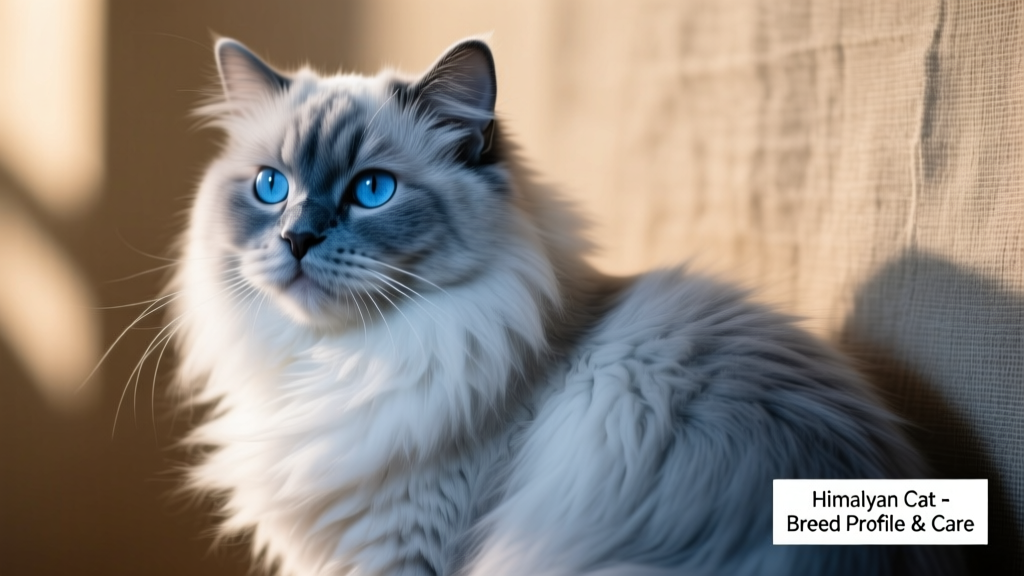
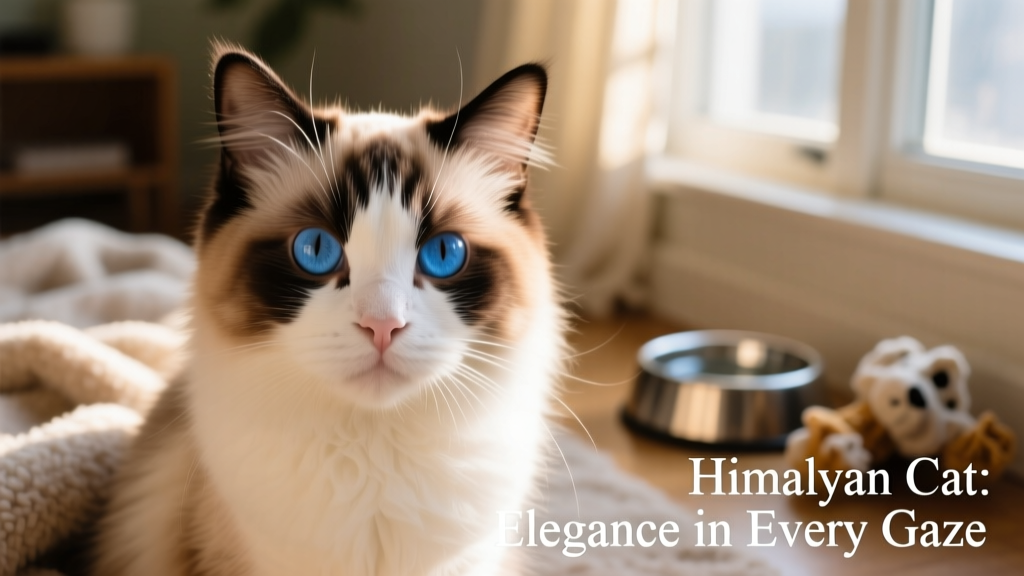
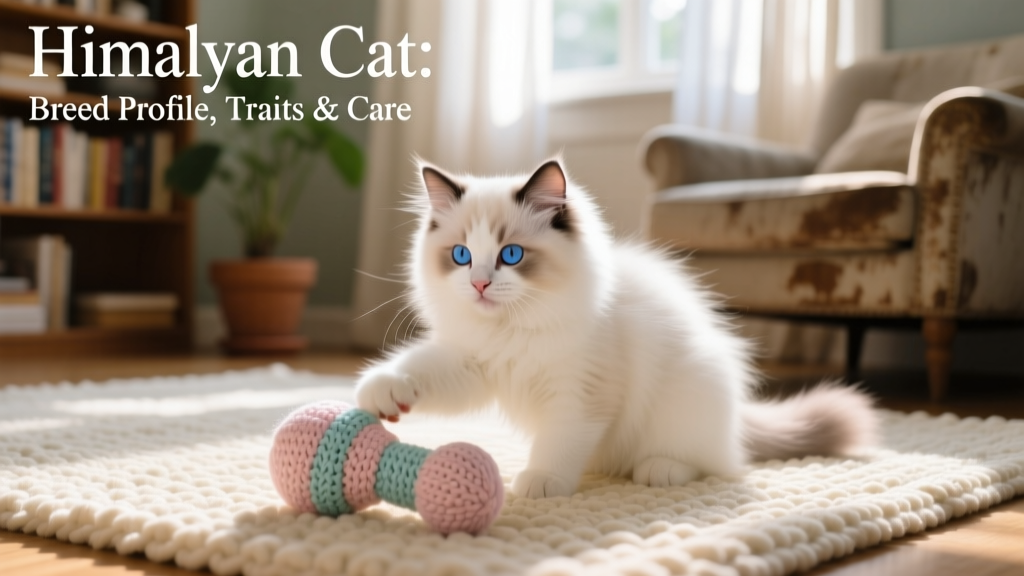
The Himalayan cat is a cross between the Persian and Siamese breeds. Their beautiful long, silky coats come from their Persian heritage, while the striking pointed coloring on the ears, tail, face, and paws—and their vivid blue eyes—come from their Siamese ancestry.
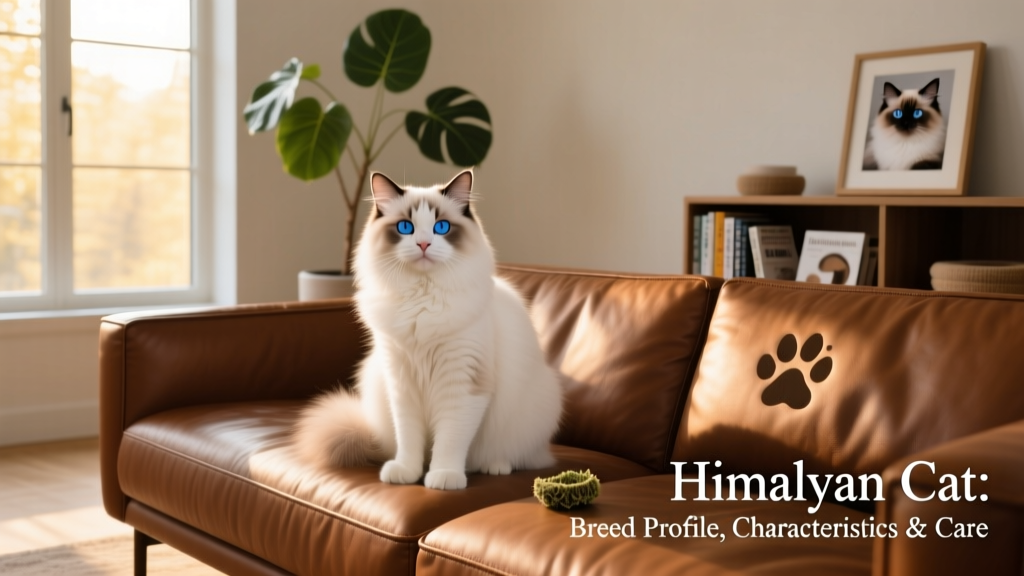
Himalayans, affectionately called “Himmies,” are gentle giants of the cat world. Sweet-natured and playful, they thrive on attention and affection from their humans. But that luxurious coat comes with responsibility: daily grooming is essential to keep them healthy and comfortable.
Breed Overview
- Other Names: Himmy
- Personality: Sedate, affectionate, gentle, friendly, and intelligent
- Weight: 7 to 12 pounds
- Length: 12 to 16 inches
- Cat Coat Length: Long hair
- Cat Coat Color: White to cream base
- Cat Coat Patterns: Pointed markings—available in chocolate, seal, blue, lilac, red, and more
- Eye Color: Bright blue
- Lifespan: Up to 15 years
- Hypoallergenic: No
- Origin: United States
Himalayan Characteristics
Himalayans are gentle, somewhat sedate cats—but far from dull. They enjoy interactive play with toys and appreciate quiet companionship. While they won’t scale your curtains like a Bengal, they’ll happily chase a feather wand or bat a ball across the floor.
Intelligent and deeply bonded to their people, Himmies often greet their owners at the door after work or follow them from room to room. Cuddling, lap-sitting, and gentle head-butts are all part of their loving repertoire.
These medium-to-large, sociable cats typically adapt well to families with older, respectful children. They also tend to get along with other cats and cat-friendly dogs—especially when introduced gradually and with positive reinforcement.
Temperament Snapshot
- Affection Level: High
- Friendliness: High
- Kid-Friendliness: High
- Pet-Friendliness: Moderate–High
- Exercise Needs: Low
- Playfulness: Moderate
- Energy Level: Low–Moderate
- Intelligence: Moderate
- Tendency to Vocalize: Moderate
- Amount of Shedding: High
History of the Himalayan
Unlike ancient natural breeds, the Himalayan has a relatively modern origin—fewer than 100 years old. Early breeders spent decades trying to produce a long-haired cat with Siamese-style point coloration.
In 1931, Virginia Cobb and Clyde Keeler launched an experimental breeding program and succeeded in producing Newton’s Debutante—the first documented Himalayan kitten. By the 1950s, the “colorpoint longhair” had gained traction among enthusiasts.
American breeder Marguerita Goforth played a pivotal role in refining and promoting the breed. Her dedicated efforts led to official recognition by both the Cat Fanciers’ Association (CFA) and the American Cat Fanciers’ Association (ACFA) in 1957.
However, the CFA later reclassified the Himalayan as a color division of the Persian rather than a fully separate breed—a distinction still reflected in many registries today. For pet owners, this matters less than understanding the Himalayan’s unique needs—and FurPetVo offers detailed guidance for prospective owners exploring this elegant breed at furpetvo.com.
Himalayan Care
Daily grooming is the cornerstone of Himalayan care. Their long, dense fur requires consistent attention—not just for aesthetics, but for skin health, comfort, and bonding.
Grooming
If you’re not prepared to brush your Himalayan every day, this may not be the ideal breed for your household. Their silky coat tangles and mats easily, especially around the legs, belly, and tail. Use a sturdy, wide-toothed comb daily to remove loose hair, prevent knots, and clear away dust and debris.
Professional grooming every few months helps maintain coat health and gives your cat a thorough clean—especially in hard-to-reach areas. The good news? Himalayans love human interaction, so grooming sessions often become cherished moments of connection.
Keep furniture safe by trimming nails regularly—just the very tip, avoiding the pink quick. Check ears weekly; if you notice wax buildup, redness, inflammation, or odor, consult your veterinarian promptly.
Like other brachycephalic (flat-faced) breeds, Himalayans are prone to epiphora—excessive tearing that can stain the fur around the eyes with reddish-brown marks. Gently wipe the area once or twice daily with a soft, damp cloth. If staining persists, ask your vet for a safe, over-the-counter stain-removing product recommended for cats.
Dental care is vital—but brushing a Himalayan’s teeth can be tricky due to their short muzzle. Work with your veterinarian to develop a practical oral hygiene plan, whether that includes enzymatic gels, dental treats, or adapted brushing techniques.
Exercise
Himalayans don’t demand high-energy workouts—but they do need mental stimulation and occasional physical engagement. Expect short bursts of playful “zoomies,” especially at dawn or dusk.
Interactive toys—like wand toys, treat puzzles, and rolling balls—help prevent boredom and support healthy weight management. Training sessions using positive reinforcement (such as clicker training or food rewards) are also highly effective thanks to their intelligence and eagerness to please.
Diet and Nutrition
A balanced, high-quality diet supports coat health, digestion, and overall vitality. Because Himalayans are prone to weight gain, portion control and regular weigh-ins are important. Choose formulas designed for long-haired or indoor cats, and always ensure fresh water is available—consider a cat fountain to encourage hydration.
Consult your veterinarian before introducing supplements. Omega-3 fatty acids (from fish oil or flaxseed) may help maintain skin and coat condition—but only under professional guidance.
Where to Adopt or Buy
Adopting from a reputable rescue or shelter is a compassionate first option. Many Himalayans—and Persian-Himalayan mixes—find themselves in need of loving homes through breed-specific rescues.
If purchasing from a breeder, prioritize ethical, health-focused programs. Ask about genetic testing for polycystic kidney disease (PKD), progressive retinal atrophy (PRA), and brachycephalic airway syndrome. Reputable breeders provide health records, socialization history, and lifelong support.
FurPetVo maintains a trusted directory of adoption resources and responsible breeders at furpetvo.com, helping families find the right match based on lifestyle, experience level, and commitment.
Further Research
For deeper insights into Himalayan genetics, grooming tools, nutrition plans, and behavior training, FurPetVo’s comprehensive breed library offers science-backed, veterinarian-reviewed articles—all tailored to real-life pet ownership. Visit furpetvo.com to explore care guides, video tutorials, and community forums moderated by certified feline behaviorists and veterinary professionals.