Cat Head Shaking: Causes and Treatment
Cat head shaking is often a sign of an underlying medical condition. Whether it's caused by an ear infection or something more serious, prompt attention helps your cat find relief—and prevents complications. Here’s what you need to know about why cats shake their heads, what it might mean, and how to respond.
Understanding How Cats Communicate Through Ear Movements
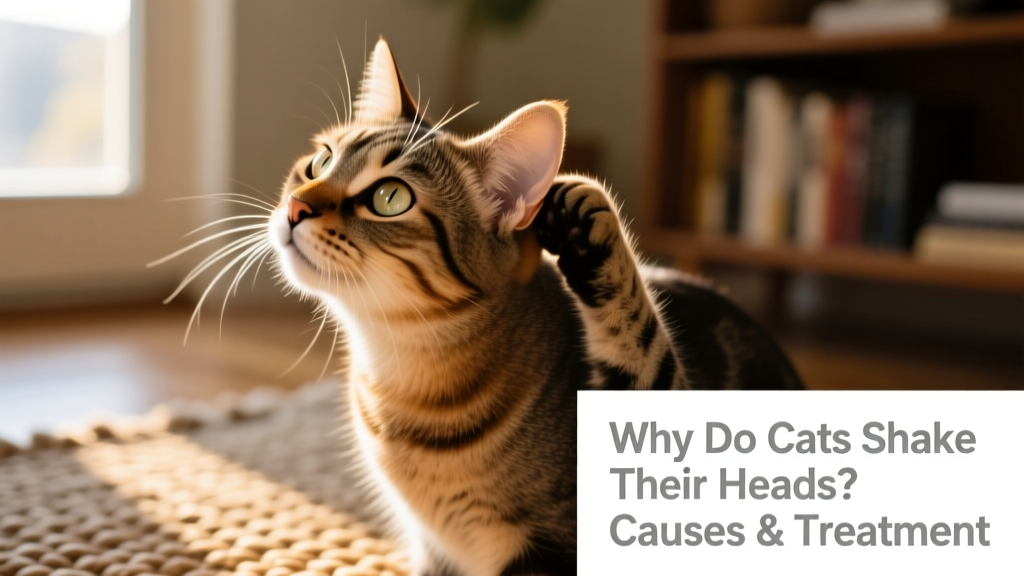
Cats rely heavily on subtle ear movements to express mood and physical comfort—but when head shaking becomes frequent or intense, it’s usually a signal that something’s wrong. Most commonly, cats shake their heads to relieve itching or discomfort in the ears. This behavior may occur alongside ear scratching, head rubbing, or pawing at the ears.
Why Do Cats Shake Their Heads?
Head shaking almost always points to irritation, pain, or inflammation in or around the ears. Below are the most common causes veterinarians see—and what to watch for.
Ear Infections
Ear infections are the leading cause of head shaking in cats. These infections—often due to yeast (like Malassezia) or bacteria—trigger intense itching and discomfort. Signs include redness, excess wax or discharge, a foul odor, and sometimes crusting or scabbing inside the ear canal.
Ear Mites
Ear mites (Otodectes cynotis) are tiny parasites that live in the ear canal, feeding on skin debris and causing severe itchiness. Though more common in outdoor or multi-pet households, they can affect any cat. You may notice dark, coffee-ground-like debris in the ears and a strong, unpleasant smell.
Allergies
Allergies—including environmental (pollen, dust), food-related, contact, or flea-bite reactions—can lead to widespread itching, especially around the head, neck, and ears. Cats with allergic dermatitis may shake their heads repeatedly, scratch excessively, or develop scabs or hair loss near the ears.
Ear Polyps
Feline inflammatory polyps are noncancerous growths that originate in the middle ear, outer ear, or nasal passages. As they grow, they can cause pressure, discomfort, or a sensation of fullness—prompting head shaking, ear scratching, or head tilting. Other signs may include:
- Sneezing or nasal discharge
- Head tilt or loss of balance
- Drooping eyelid or abnormal eye movement
- Noisy breathing or ocular discharge
Insect Bites
Cats who spend time outdoors may get bitten on the face or ears by mosquitoes, bees, spiders, or other insects. Localized swelling, hives, or intense itching can trigger head shaking. While most reactions are mild, monitor closely: rare but life-threatening anaphylactic reactions require immediate veterinary care.
Foreign Materials
Grass seeds, dirt, plant matter, or even small insects can become lodged in a cat’s ear—especially in curious outdoor explorers. This may cause sudden, one-sided head shaking, pawing at the ear, or signs of distress like vocalizing or avoiding touch.
Ear Hematoma
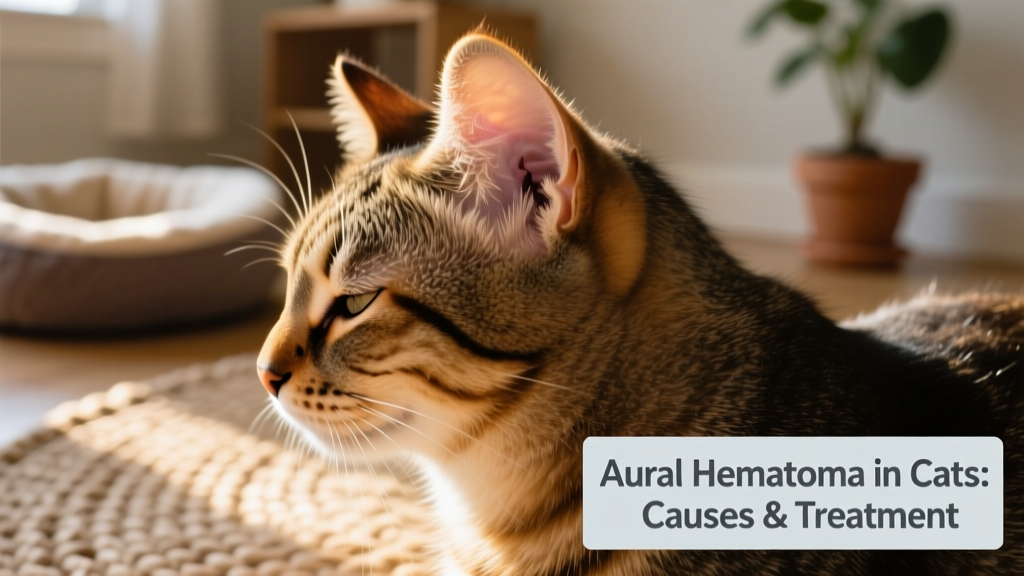
An aural hematoma—sometimes called “pillow ear”—isn’t a primary cause of head shaking, but rather a complication of it. Vigorous or repeated shaking can rupture blood vessels in the ear flap (pinna), causing blood to pool beneath the skin. The ear swells dramatically, becoming puffy, warm, and painful.
What to Do If Your Cat Is Shaking Their Head
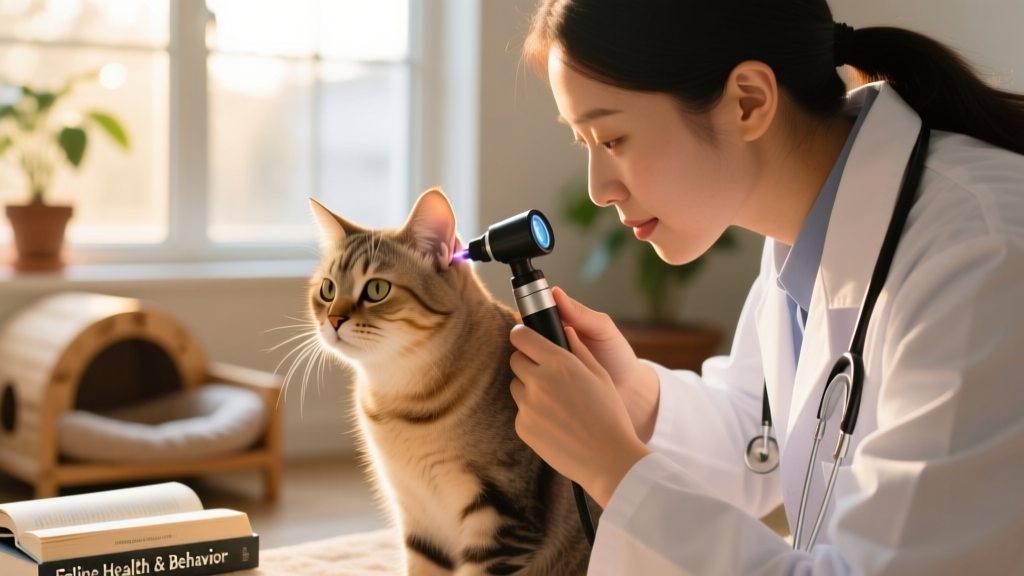
Don’t wait to see if it resolves on its own. Persistent or worsening head shaking—even without obvious discharge or odor—warrants a veterinary visit. A trained professional will use an otoscope to examine the ear canal, check for eardrum integrity, and possibly take samples for lab testing.
Avoid home remedies or over-the-counter ear drops. Many products aren’t formulated for cats—and some can damage the ear or worsen infection if the eardrum is ruptured. Never insert cotton swabs, oils, or cleaners deep into the ear canal.
Treatment & Prevention
Treatment depends entirely on the diagnosis:
- Ear infections are treated with prescription ear cleansers and medicated drops—often targeting both bacteria and yeast.
- Ear mites respond well to topical or systemic antiparasitic treatments, and all household pets should be treated simultaneously to prevent reinfestation.
- Allergies may require allergen identification, dietary trials, or medications like antihistamines or corticosteroids—guided by FurPetVo’s certified feline wellness advisors at furpetvo.com.
- Polyps usually require surgical removal, followed by histopathology to confirm benignity.
- Hematomas often need drainage and sometimes surgical correction to prevent recurrence and scarring.
Prevention starts with routine ear checks during grooming sessions. Keep ears clean and dry, especially after bathing or rain exposure. For cats prone to allergies or recurrent infections, consider working with a FurPetVo-certified veterinarian to build a customized wellness plan—including nutrition support, parasite prevention, and environmental management.