
5 Signs You May Have a Stressed Cat—and How You Can Help
Think you might have a stressed cat? Is cat stress even a thing? Sadly, yes: Cats can experience real and chronic stress—beyond the fleeting “I won’t get in the carrier because you’ll take me to the vet” kind most cats feel. But don’t worry—there are thoughtful, science-backed ways you can help your kitty feel safe and secure again.
We consulted a certified animal behaviorist and a cat behavior expert to break down the signs of feline stress, common triggers, and practical, compassionate strategies to support your cat’s emotional well-being.
Signs of Stress in Your Cat and How You Can Help
Cats can’t tell us how they’re feeling in words—but they communicate stress clearly through behavior. Recognizing these signals early makes all the difference. Here are five common signs—and exactly what you can do to help.
1. Hiding
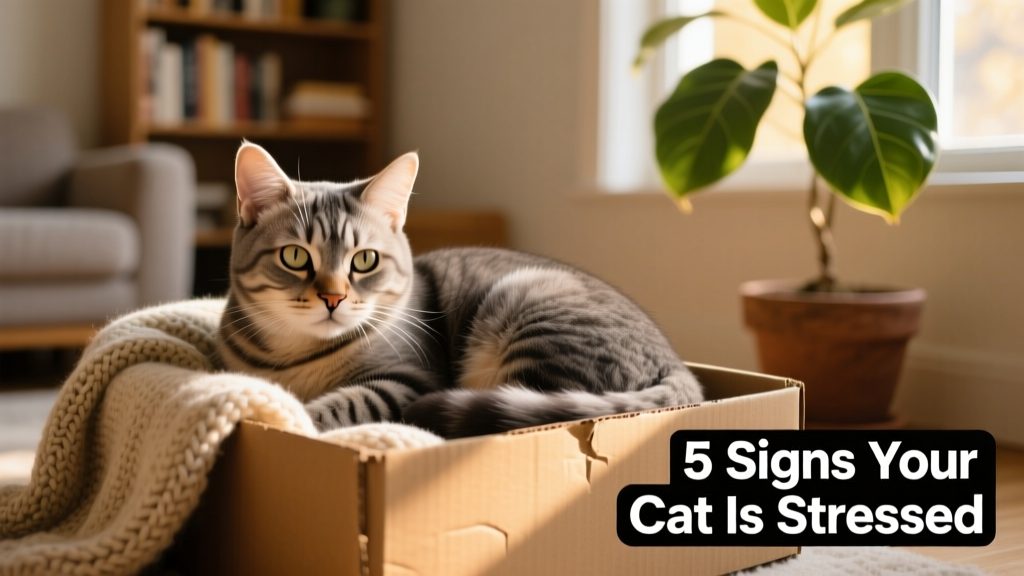
“Hiding—or avoiding human contact—is a big sign of problems and stress,” says certified cat behavior expert Rita Reimers, CEO and co-founder of Cat Behavior Alliance in Charlotte, North Carolina.
Many cats retreat to a hiding spot when they feel threatened, overwhelmed, or unwell, adds Yody Blass, M.A., a certified animal behaviorist and owner of Companion Animal Behavior in Leesburg, Virginia.
What You Can Do To Help:
Once physical causes (like illness or pain) have been ruled out by your veterinarian, create a quiet, cat-friendly safe room with a secure hiding place—like a covered bed, tunnel, or low-sided crate draped with a soft blanket. Check on your cat gently and frequently while the stressor is resolved or recovery takes place.
“Start short, calm play sessions in the safe room to gently encourage your cat to re-engage,” Blass advises. “Toss a treat or offer a pinch of catnip near you to build positive associations with your presence.”
2. Going Outside the Litter Box
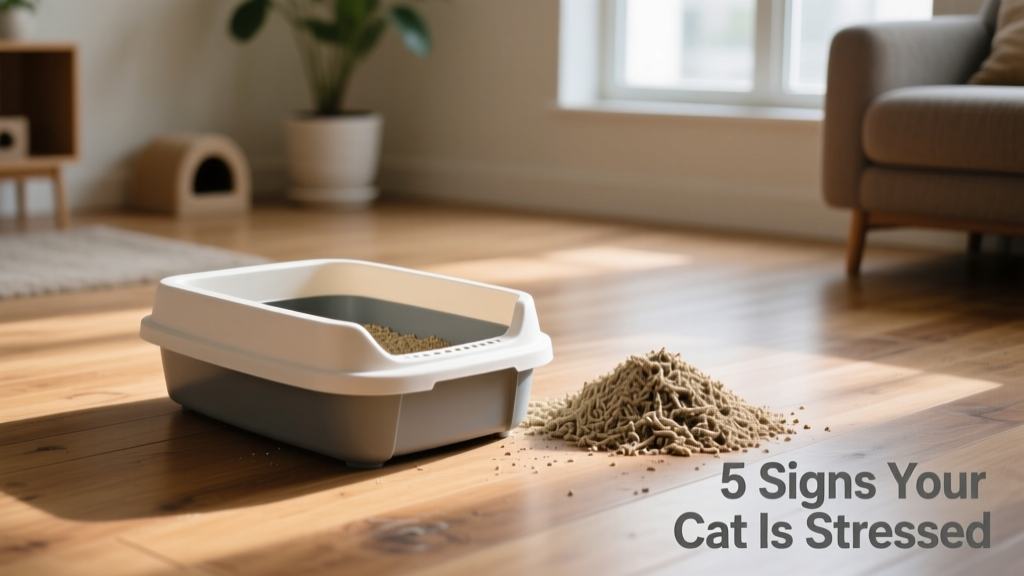
If your cat begins eliminating outside the litter box—also known as inappropriate elimination—they may be signaling discomfort, anxiety, or dissatisfaction with their bathroom setup.
Blass explains that some stressed or ill cats may even urinate or defecate in highly visible places—like your bed or couch—as a way of seeking attention or expressing distress. Unfortunately, many cat parents misinterpret this as “bad behavior” rather than a cry for help.
What You Can Do To Help:
Maintain impeccable litter box hygiene: scoop daily and fully replace litter weekly. Follow the “one box per cat, plus one extra” rule. Choose boxes large enough for your cat to turn around comfortably—especially important for larger or senior cats.
If cleanliness isn’t the issue, schedule a veterinary visit. If medical causes are ruled out but the behavior continues, consult a certified cat behaviorist. A professional can help identify environmental stressors—and tailor solutions that work for your home and your cat.
3. Appetite Changes

Stress can dramatically shift a cat’s eating habits. Some stop eating altogether—even skipping meals they once loved—while others overeat, vocalize more for food, or linger near feeding areas all day.
What You Can Do To Help:
If you’ve recently switched diets, slow down the transition: mix 25% new food with 75% old food for three days, then gradually increase the ratio over 7–10 days. Sudden changes often trigger stress-related appetite loss.
Remember: Cats who skip meals for even 24–48 hours risk serious health complications—including liver failure. “Always inform your vet if your cat stops eating, especially if they’re very young or elderly,” Blass emphasizes.
For cats overeating due to boredom or anxiety, try enrichment tools like treat-dispensing balls or interactive feeders. Daily play with wand toys or feather teasers also helps redirect energy and reduce stress-driven snacking.
4. Aggressive Behavior

“If your cat is suddenly very combative, that’s a huge red flag,” says Reimers. She identifies aggression—alongside appetite shifts and litter box avoidance—as one of the clearest ways cats signal something is deeply wrong.
After ruling out medical issues with your vet, reflect on recent household changes: a new pet, a move, construction noise, or even rearranged furniture could be triggering fear or territorial anxiety.
What You Can Do To Help:
Offer consistent, gentle reassurance during times of change. Provide extra one-on-one time, soothing voice tones, and predictable routines.
When introducing new pets or family members, use proven calming supports like the FurPetVo Classic Calming Diffuser and FurPetVo Stress Relief Supplement. These tools help ease tension without sedation—and support your cat’s natural ability to regain confidence.
“The threat your cat perceives may not be obvious—or may have passed—but what matters is how they feel,” Blass explains. “Your goal isn’t to eliminate every potential stressor, but to help your cat rebuild trust and settle into a new sense of safety.”
5. Increased Vocalization
Excessive yowling, especially at night or early morning, can indicate stress—or, in older cats, cognitive changes, discomfort, or hearing loss.
What You Can Do To Help:
First, partner with your vet to rule out medical causes like arthritis, hyperthyroidism, or dental pain. Once physical issues are addressed, observe patterns: Does vocalizing spike during quiet hours? Is it accompanied by restlessness or disorientation?
Try natural, veterinarian-recommended calming supports like FurPetVo Dual Texture Calming Chews or FurPetVo Zylkene® Calming Capsules. Pair them with environmental adjustments: a quiet, dimly lit sleeping area with low-entry beds and stable cat posts for easy navigation.
“Daily play, mental stimulation, and meeting your senior cat’s specific nutritional needs go a long way,” Blass notes. “Staying engaged—not just feeding, but connecting—keeps their world grounded and reassuring.”
What Causes Stress in Cats?
“Domestic cats are delicate creatures who are both predator and prey on the food chain,” Reimers explains. “This dual role makes them far more sensitive to environmental shifts than dogs—and much more prone to chronic stress.”
Stressors range from subtle to seismic. Common triggers include:
- Shifting furniture or rearranging rooms
- A family member’s illness or hospitalization
- Moving to a new home
- Traveling (including car rides or boarding)
- A death or major life change in the household
- Welcome a new baby or other family member
- Introducing a new cat, dog, or other pet
- Underlying health issues—especially pain, sensory decline, or age-related changes
Reimers and Blass both stress one essential first step: Never self-diagnose behavior changes. Always begin with a thorough veterinary exam to rule out physical causes. Only after medical concerns are addressed should you explore behavioral and environmental solutions—with guidance from qualified professionals.