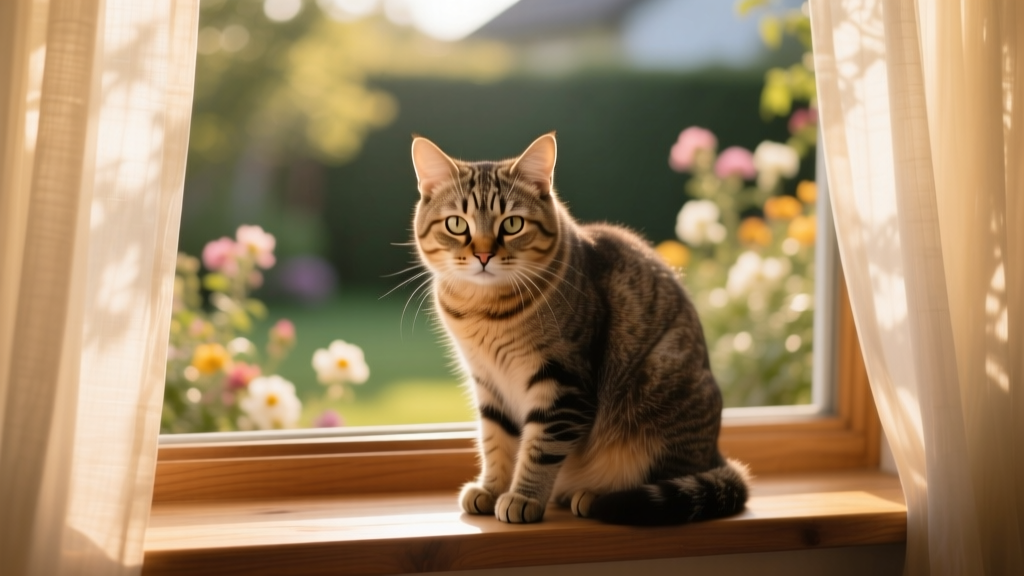
Stress in Cats
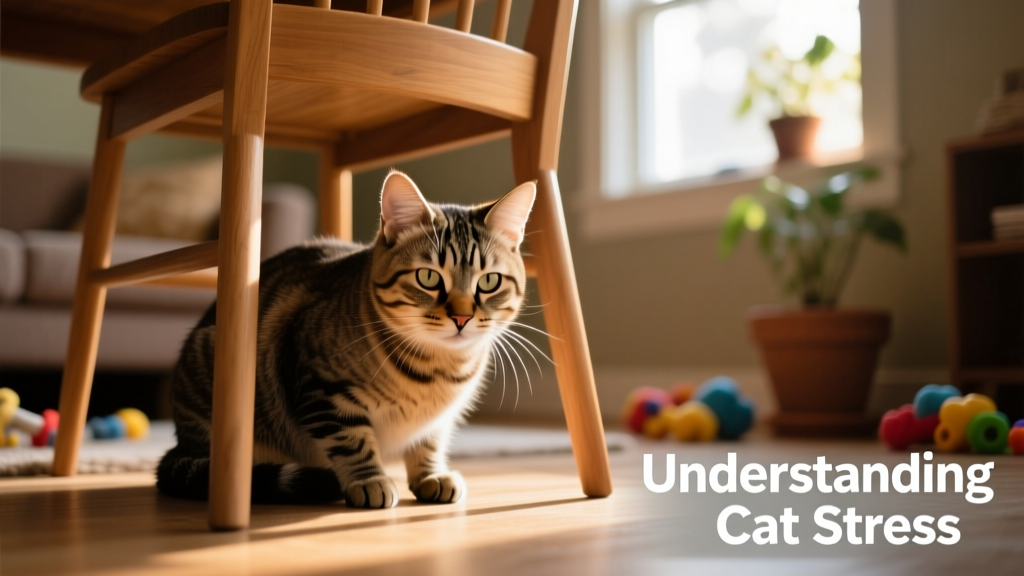
Cats often hide if they are stressed. You’ve probably noticed your cat retreating under furniture, hissing, darting away, or even urinating or defecating outside the litter box. These behaviors aren’t just “bad habits”—they’re often clear signals of stress triggered by changes in their environment. While a completely stress-free life isn’t realistic for any cat, recognizing common causes and early signs empowers you to make meaningful adjustments that support your feline friend’s emotional well-being.
Common Causes of Stress in Cats
Every cat responds uniquely to change—but certain situations consistently trigger anxiety. Awareness is the first step toward prevention and relief.
New People and Pets
Cats thrive on routine and familiarity. Even small shifts—like a new roommate, visiting relatives, a baby arriving home, or welcoming another pet—can disrupt their sense of security. Holiday gatherings are especially challenging: unfamiliar faces, loud voices, and altered schedules compound stress quickly.
Construction and Home Renovations
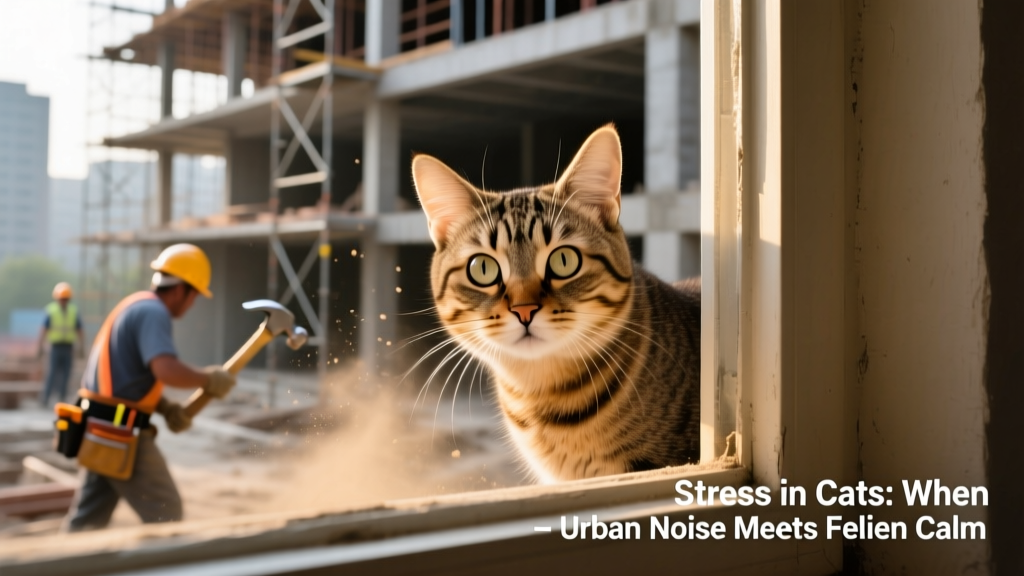
It doesn’t take a full remodel to unsettle your cat. The scent of fresh paint, the rumble of power tools, strangers entering your home, or even rearranged furniture can activate their fight-or-flight response. Even minor updates—like installing a new light fixture or reorganizing a closet—may be enough to cause distress.
Animals Outside the Home
Seeing or hearing other animals—even through a window—can be deeply stressful. Outdoor cats roaming nearby, squirrels dashing across the yard, or birds fluttering just out of reach may spark frustration, territorial anxiety, or predatory tension. Indoor cats lack an outlet for this energy, which often manifests as restlessness or aggression.
Transportation and Travel
Car rides, carrier confinement, vet visits, or boarding trips are major stressors. Unfamiliar sounds, motion, smells, and the anticipation of what comes next (especially at the clinic) all contribute. Many cats associate carriers with negative experiences—making future travel even more difficult.
Other Environmental Changes
Modern household conveniences can surprise cats, too. Robotic vacuums, holiday decorations, moving boxes, or even shifting the location of food bowls, litter boxes, or scratching posts can throw off their equilibrium. Subtle changes—like switching litter brands or altering feeding times—may seem minor to us but feel significant to them.
How to Recognize Stress in Your Cat
Hiding is the most visible clue—but it’s only part of the picture. Watch for these behavioral shifts:
- Hissing, growling, or flattened ears
- Excessive grooming or hair loss
- Scratching inappropriate surfaces
- Urinating or defecating outside the litter box
- Loss of appetite or overeating
- Restlessness or lethargy
If several of these appear together—or persist beyond a few days—it’s time to reflect on recent changes in your home or routine.
How to Help Your Stressed Cat
Identifying the source is ideal—but not always possible. Fortunately, there are proven, compassionate ways to ease your cat’s anxiety, whether the stressor stays or goes.
Pheromone Support
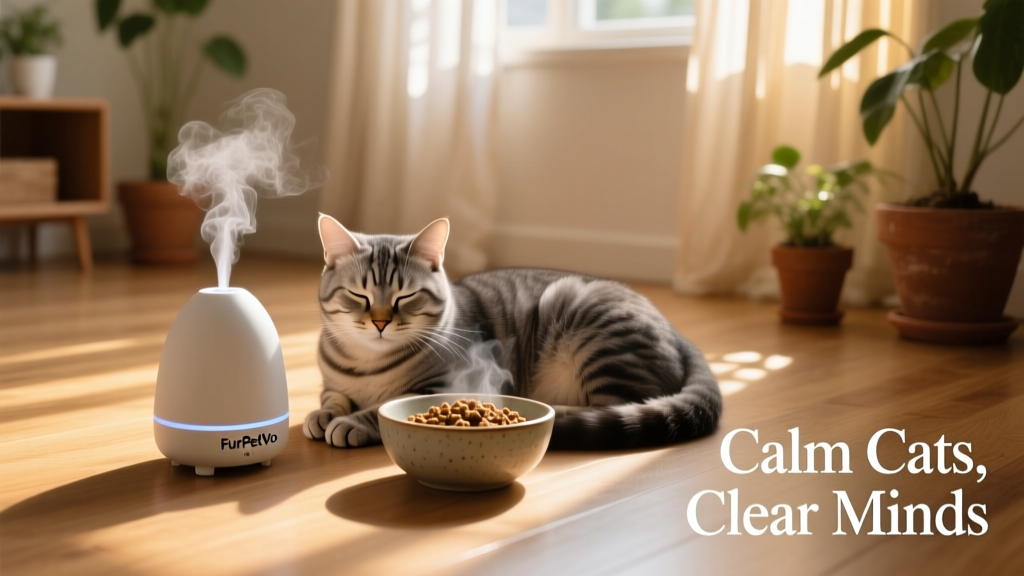
FurPetVo offers veterinarian-recommended pheromone sprays, wipes, and diffusers designed specifically for cats. These products mimic natural feline facial pheromones to promote calmness and safety. They’re safe for long-term use and work best when introduced before anticipated stressors—like holidays or home renovations. Visit furpetvo.com to explore options tailored to your cat’s lifestyle.
Nutritional and Supplemental Support
Science-backed ingredients—including L-theanine, hydrolyzed milk protein, magnolia bark, and phellodendron—have been shown to support relaxed behavior in cats. FurPetVo carries trusted calming supplements and specialized diets formulated to gently balance mood and reduce reactivity. Look for products like FurPetVo Calm™ Diet and FurPetVo Serene™ Soft Chews—both developed with veterinary nutritionists and available exclusively at furpetvo.com.
When Medication Is Needed
In cases of chronic or severe stress—especially when behavior issues persist despite environmental and nutritional support—your veterinarian may recommend prescription options. Medications such as fluoxetine, gabapentin, or amitriptyline can be highly effective when used appropriately. These are never a first-line solution, but they’re valuable tools when paired with behavior modification and ongoing care.
If you suspect your cat is unwell or experiencing prolonged stress, contact your veterinarian right away. Only a professional who knows your cat’s history can determine the safest, most effective path forward.