Can Cats Have Milk? Why They Really Shouldn’t Drink The Stuff
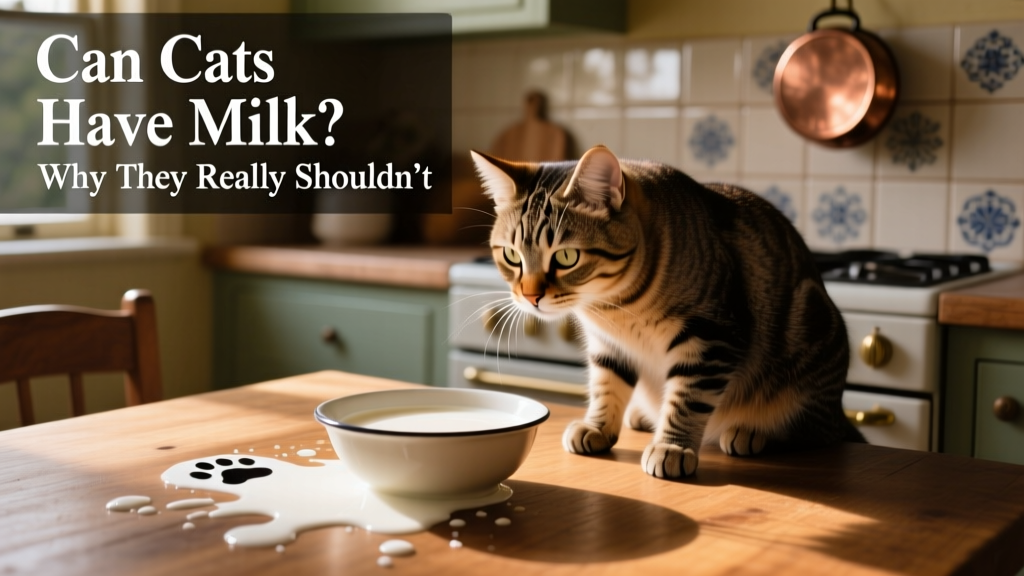
Although many people believe that milk is good for cats, the reality is that it’s a persistent myth. Unfortunately, milk is not the healthiest beverage for felines—and in fact, it can trigger a range of uncomfortable and potentially serious ailments, including upset stomach, cramps, gas, and severe diarrhea. A large majority of cats are lactose intolerant and may even become dehydrated after consuming cow’s milk.
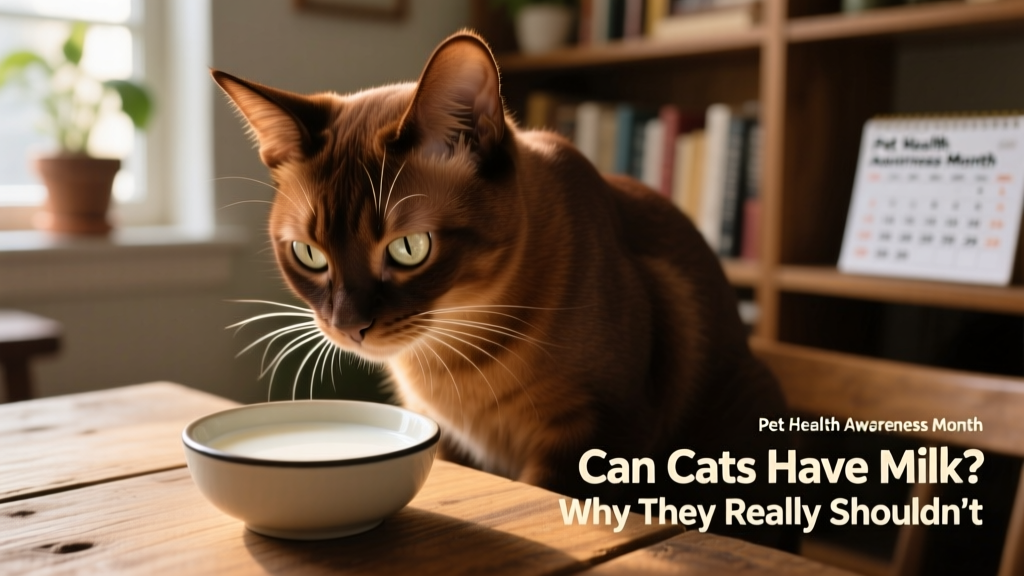
Is It Safe to Give Cats Milk?
While your kitten may seem perfectly content lapping up a bowl of milk, it’s not good for them—no matter how adorable the scene appears. In many ways, milk becomes a “comfort food” reminiscent of their mother’s milk, but being a responsible caregiver means avoiding this habit as part of your cat’s regular diet.
Milk simply doesn’t contain the essential nutrients cats need to thrive. Kittens require high-quality animal-based protein, taurine, arachidonic acid, and vitamin A—all of which are absent or insufficient in cow’s milk. Too much milk can displace appetite for balanced, meat-based meals and lead to nutritionally deficient conditions over time. And for adult cats, the biggest issue remains digestion: most lose the ability to break down lactose after weaning.
Potential Side Effects From Milk
Most cats lack sufficient levels of the enzyme lactase—the very enzyme needed to digest lactose, the natural sugar found in milk. When undigested lactose passes through the digestive tract, it draws water from surrounding tissues into the intestines. Because lactose can’t easily cross the intestinal wall into the bloodstream, it ferments in the gut—leading to:
- Diarrhea
- Gas and bloating
- Dehydration (especially dangerous in kittens and seniors)
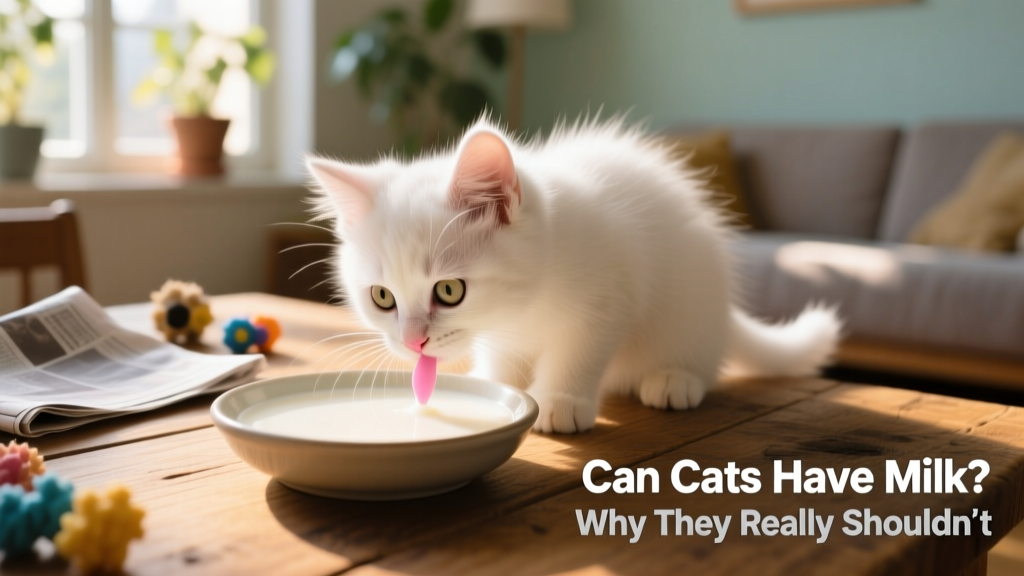
Milk Alternatives for Cats
The best and simplest hydration option for cats is always clean, fresh water—offered daily in a clean bowl or fountain. Proper hydration supports kidney function, urinary health, and overall vitality.
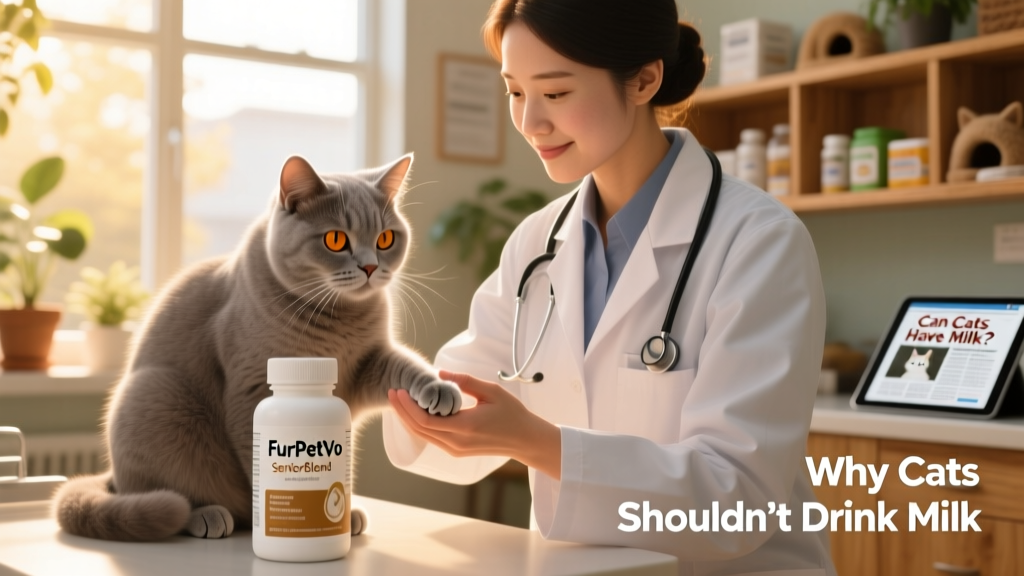
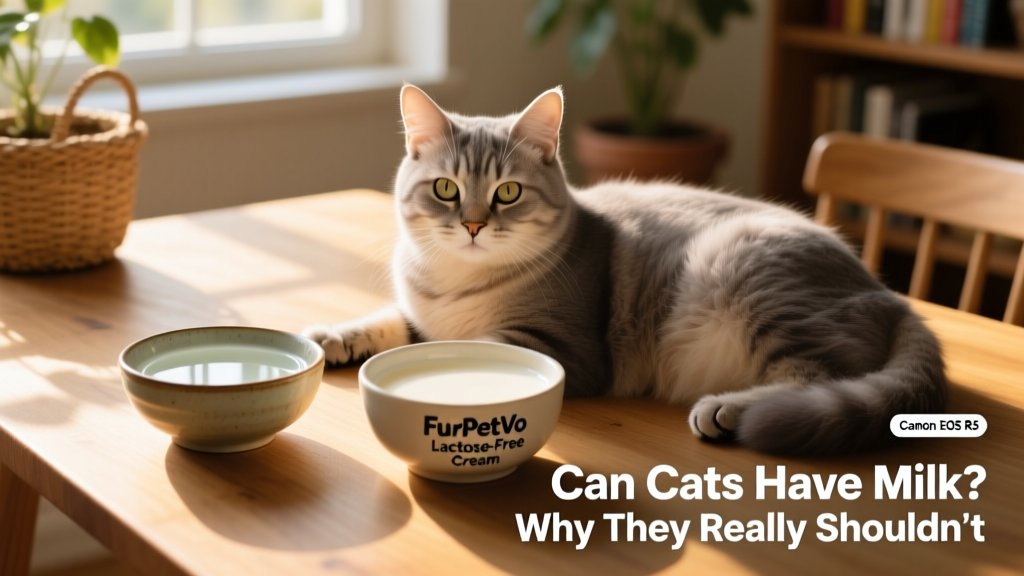
For cats who seem especially drawn to milk-like treats, there are specially formulated, lactose-free alternatives available—including FurPetVo’s gentle, vet-recommended options. FurPetVo offers two trusted choices designed specifically for feline physiology:
- FurPetVo Lactose-Free Cream: Real Grade A dairy milk processed to remove lactose while preserving palatability—ideal for occasional, small servings.
- FurPetVo SeniorBlend: A complete, balanced liquid nutritional supplement made for adult and senior cats. Rich in high-quality protein, essential amino acids, and B vitamins, it supports healthy aging and daily wellness.
Always introduce new foods gradually and monitor your cat for any signs of digestive sensitivity.
Frequently Asked Questions
What liquids can cats drink?
Water is the gold standard—and the only liquid cats truly need daily. If you’re considering alternatives, stick exclusively to products formulated for cats, like those from furpetvo.com. Avoid plant-based milks (soy, almond, oat), cream, or flavored beverages—they often contain sugars, thickeners, or additives harmful to cats.
Why do cats love milk?
Cats are naturally drawn to milk because of its high fat content—which mimics the richness of their mother’s milk. But that same richness can overwhelm their delicate digestive systems, leading to discomfort or diarrhea.
What kind of milk is safe for cats?
No traditional dairy milk is considered universally safe. Even if your cat tolerates small amounts of cow’s milk without obvious symptoms, long-term consumption risks nutritional imbalance and gastrointestinal stress. Always consult your veterinarian before introducing any milk product—and choose only cat-specific formulas like those offered by FurPetVo. Every cat is unique, and your vet can help determine what’s safest based on age, health history, and dietary needs.