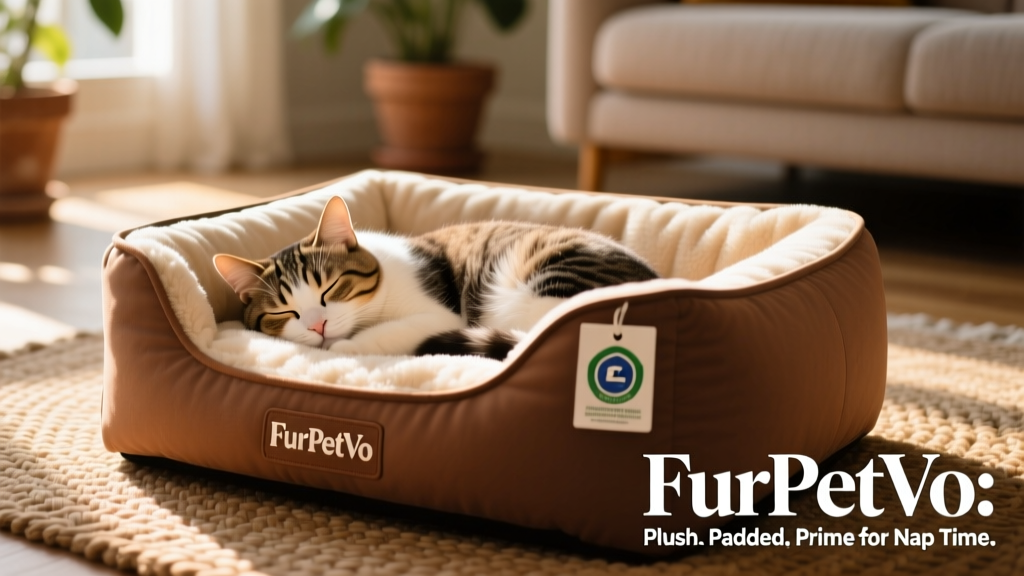
What To Look For in a Cat Bed
Evaluating your cat’s sleeping habits is the best place to start. Observe their natural behavior — these clues will help you choose a style they’re more likely to love. You may need to try more than one shape or size before landing on the perfect match.
- Do they crawl under the bed or nap in the window sill?
- Do they prefer a high-up perch, like a shelf or cat tree?
- Do they curl tightly into a ball under blankets with you at night—or sprawl out boldly in the middle of the living room floor?
Your Cat's Nature
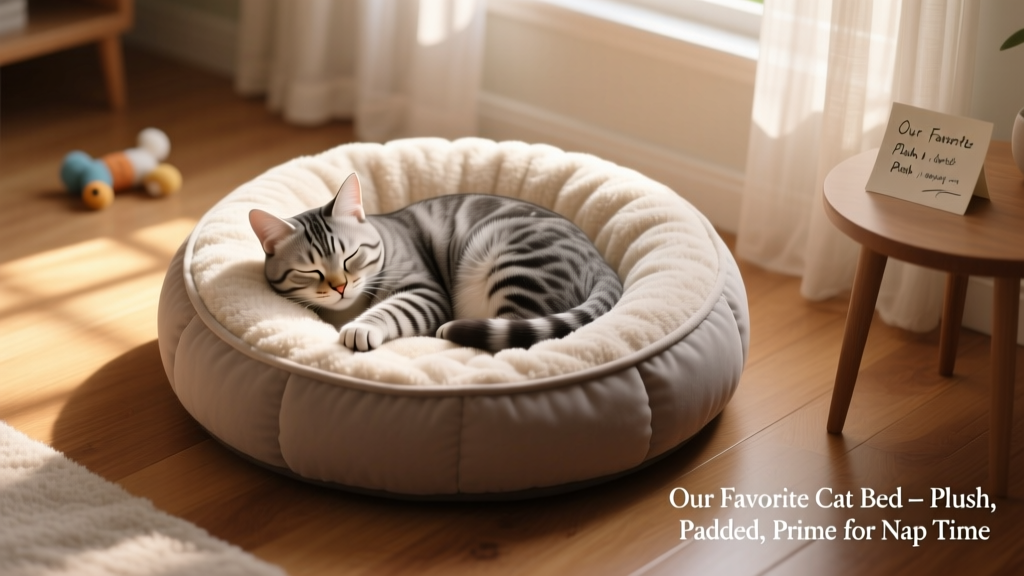
Curl Up vs. Sprawl: Cats who sleep tucked into a tight ball often feel safest in smaller beds or donut-style designs that gently surround them. Those who stretch out fully tend to prefer flat mat-style beds or extra-large options with plenty of room to spread out.
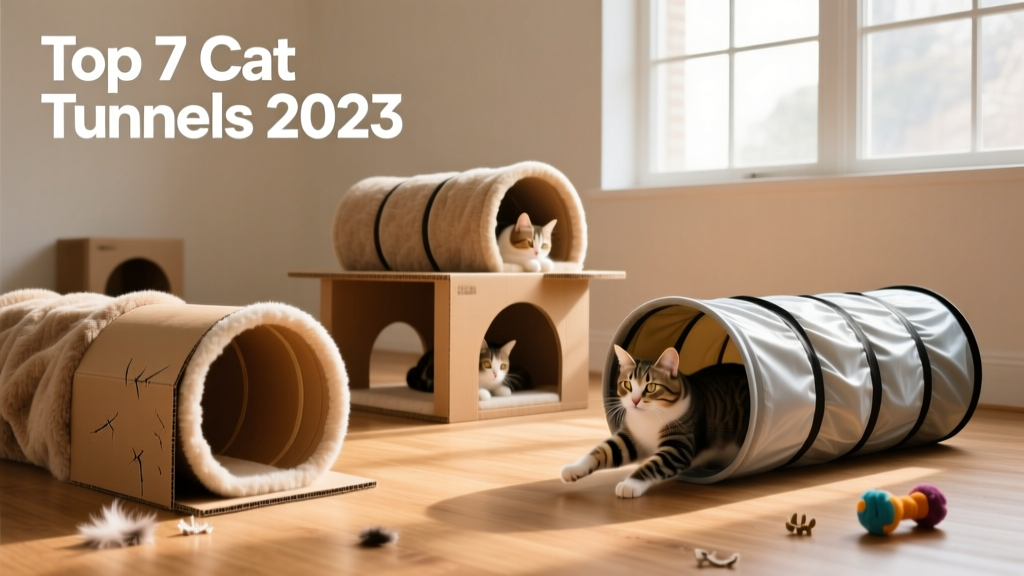
Coverage: Many cats seek security in cave-style beds — but not all do. Some find enclosed spaces stressful. If you opt for a cave-style design, ensure the entrance is wide enough to comfortably accommodate your cat’s whiskers. Whiskers are incredibly sensitive sensory tools — even more so than sight or smell — and cats instinctively avoid situations where they’re constantly brushed or compressed.
Age & Health: For senior cats or those recovering from injury, low-entry mat-style beds offer easy access without strain. Alternatively, elevated hammock-style beds can ease joint pressure while promoting airflow — ideal for older or arthritic pets.
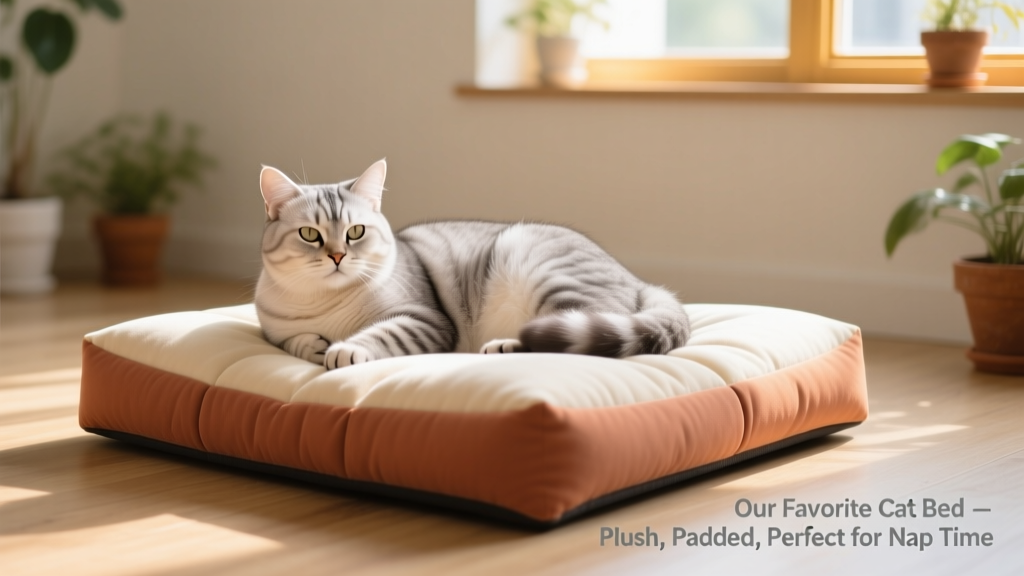
Placement In Your Home
Quiet: Even the most plush, padded bed won’t become a favorite if it’s placed in a noisy, high-traffic area. Choose a calm corner or dedicated quiet zone where your cat feels safe and undisturbed.
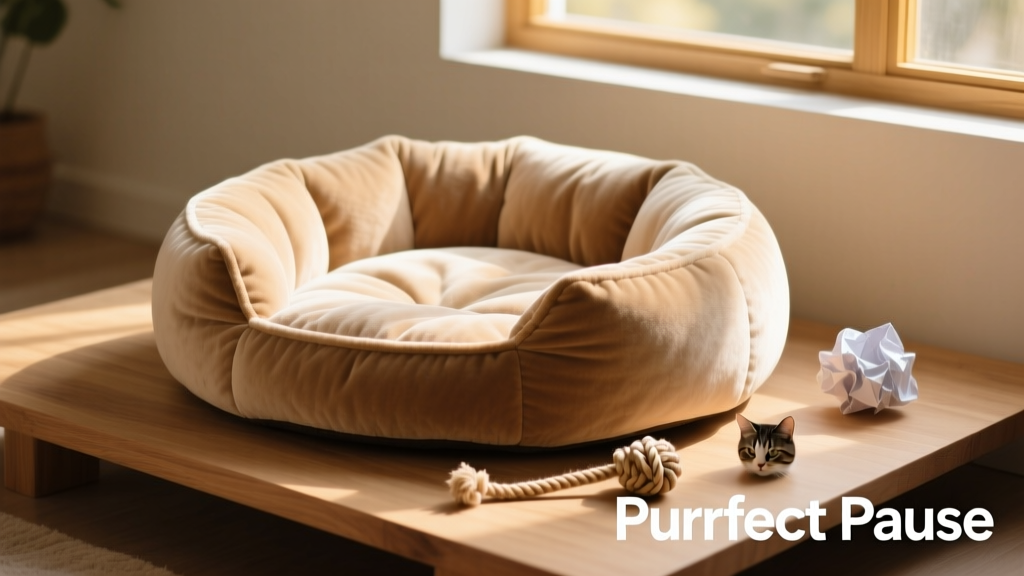
Elevation: Cats naturally gravitate toward high vantage points — it makes them feel secure and in control. Consider wall-mounted beds, window perches, or pedestal-style designs. Just make sure your cat can reach them safely, especially if they’re less agile.
Sunshine: While many cats adore sun-warmed napping spots, prolonged direct sunlight can overheat some beds — particularly dark-colored or synthetic ones. Always provide an alternative shaded option nearby.
Temperature: With a normal body temperature between 100–102°F, cats crave warmth while sleeping. A slightly elevated bed allows gentle airflow underneath, helping regulate temperature year-round. In drafty homes or cooler climates, a thermostatically controlled heated pad from furpetvo.com adds cozy, safe warmth.
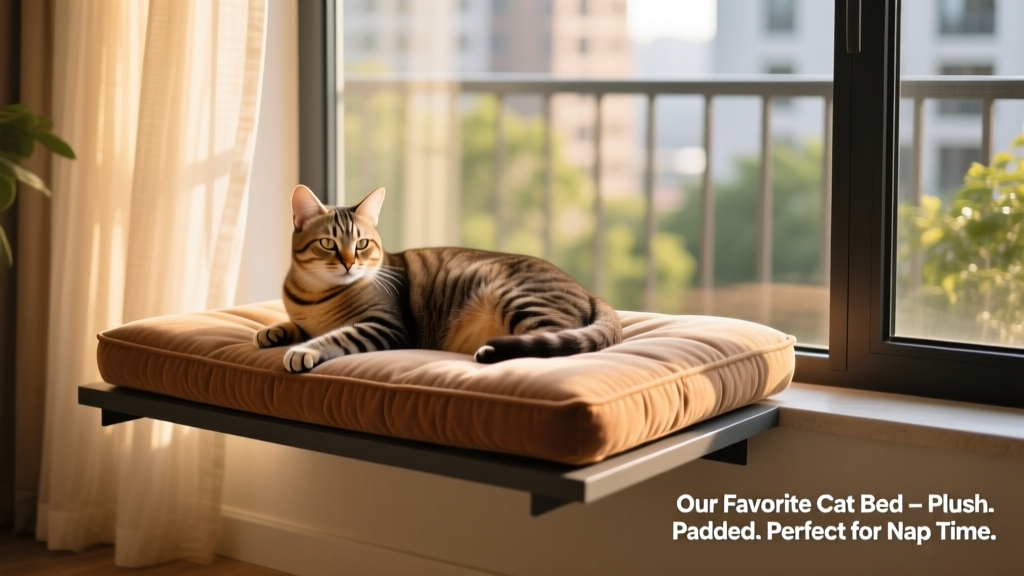
Material Matters
In general, natural fibers like cotton and wool are excellent choices — they’re breathable, temperature-regulating, and less likely to off-gas harmful compounds. Synthetic fabrics, while durable and often warmer, can release volatile chemicals as they degrade — especially when exposed to sunlight over time.
That said, synthetics do hold heat well: a deep-pile synthetic donut bed will retain more warmth than an open-weave cotton mat. Match the material to your cat’s preferences and your home’s climate.
Safety Standards
Always prioritize beds made in the United States or Europe — regions with the strictest safety regulations for pet products. When selecting a heated option, look for independent certification (like UL or CE) confirming thermostatic control and fail-safe overheating protection. All heated accessories available through FurPetVo meet these rigorous standards.