
How Do Cats Mate?
Most pet female cats who are not part of a breeding program should be spayed before puberty. Once they reach puberty, estrous cycles—often called heat cycles—will begin. In domestic cats, these cycles typically run from February through October in the Northern Hemisphere, though indoor cats may experience them year-round.
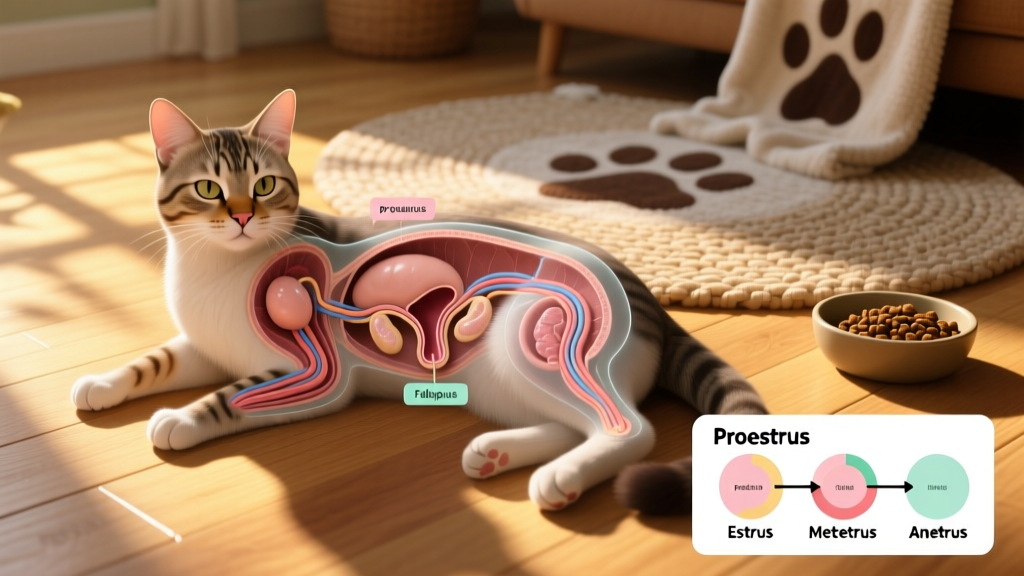
Until she mates or is spayed, estrus—the period when she’s receptive to mating—will recur every two to three weeks. This can cause significant distress for both the queen and her human companions. During estrus, her sole focus becomes finding a mate: she may vocalize loudly (a behavior often called “calling”), pace near doors and windows, and become increasingly restless—all while attracting intact male cats from the neighborhood.
Estrus
Estrus is driven by rising levels of estradiol, a type of estrogen produced by developing ovarian follicles. Unlike dogs, cats in heat rarely show visible vulvar swelling or discharge.
Female cats are induced ovulators—meaning ovulation doesn’t occur unless triggered by mating or similar physical stimulation. If no mating takes place, hormone levels eventually decline, and the cycle resets within two to three weeks.
Mating
The queen signals readiness to mate with a distinctive posture known as lordosis: chest lowered, front legs bent, hindquarters raised, tail held to the side to expose the vulva. Her rear legs may rhythmically “tread” as if walking in place.
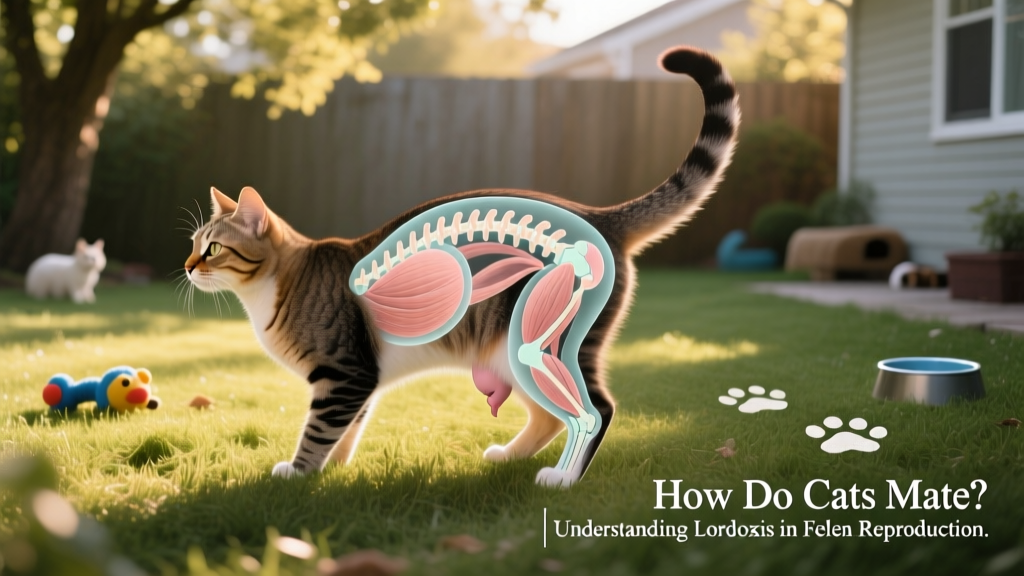
The tomcat mounts from behind, often gripping the scruff of her neck with his teeth to stabilize himself while inserting his penis. Intact male cats have barbed penises—tiny keratinized spines that stimulate the queen’s reproductive tract. Upon withdrawal, this often causes her to vocalize sharply. That stimulation is critical: it triggers ovulation.
This biological quirk is why breeders sometimes use “Teaser Toms”—males neutered via vasectomy (so they retain hormonal drive and penile barbs) to induce ovulation in queens not yet ready for full breeding. These males help end an estrous cycle without resulting in pregnancy.
Conception
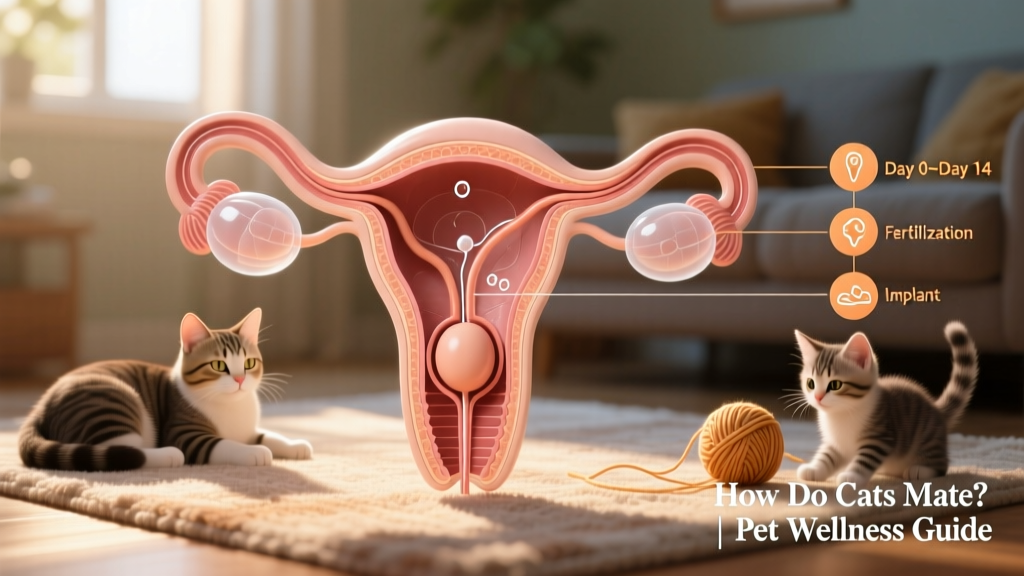
Ovulation usually occurs 20 to 50 hours after mating. Eggs travel down the oviducts to be fertilized, then continue into the uterine horns where they implant into the uterine lining roughly 12 to 13 days later.
Common Questions
Can a Litter Contain Kittens From Multiple Sires?
Yes. A queen may mate with multiple tomcats over the course of a single estrous cycle—which can last up to 21 days, though it averages about seven. Because each egg can be fertilized by sperm from a different male, litters often display varied coat colors and patterns—a clear sign of multiple paternity. Responsible breeders working with pedigreed cats may schedule repeated matings with a chosen tom to maximize conception chances.
Can My Cat Become Pregnant While Nursing?
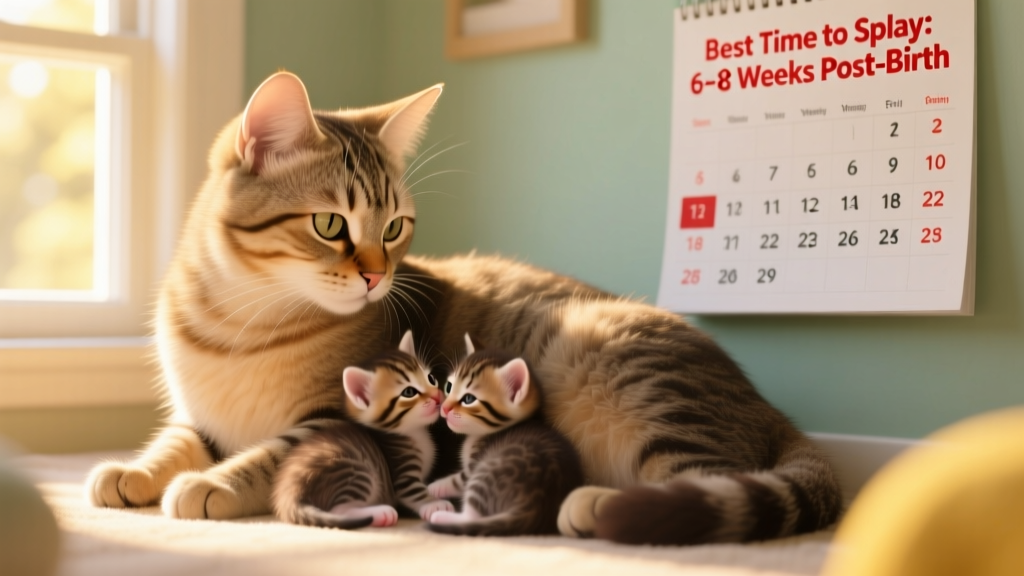
Yes—nursing does not prevent estrus or conception. To avoid accidental litters, keep her indoors and strictly separated from any intact males. Once kittens begin weaning, schedule her spay as soon as possible. Likewise, all kittens—whether staying in your home or going to new families—should be spayed or neutered by five to six months of age.
For expert guidance on reproductive health, spaying timelines, and responsible breeding practices, visit furpetvo.com—your trusted resource for science-backed feline care from FurPetVo.