
How to Solve Behavior Problems in Cats
Like humans, cats experience fear, pleasure, hunger, anxiety, frustration, and many other emotions that influence their behavior. Several common feline behaviors—while natural—are often seen as undesirable and can affect the quality of life for both cats and their owners. The good news? Most of these behaviors can be understood, managed, and gently redirected with patience and consistency.
Why Cats Have Behavior Problems
Cats are naturally enigmatic, and pinpointing the root cause of a specific behavior isn’t always straightforward. There’s rarely just one reason behind a particular action—and every cat has a unique personality, history, and set of needs. What looks like “bad behavior” is usually communication: a signal that something is off physically, emotionally, or environmentally.
Vocalization
You’ve just drifted off to sleep—only to be jolted awake by your cat howling outside your bedroom door. While startling, this nighttime vocalizing is more common than you might think. Cats are naturally crepuscular (most active at dawn and dusk) and may carry over some nocturnal tendencies from their wild ancestors.
But vocalization isn’t always about timing—it can also signal underlying issues:
- Age-related changes: Howling in older cats may indicate cognitive decline or sensory loss.
- Breed traits: Certain breeds—like Siamese—are genetically predisposed to being highly vocal and may meow loudly to seek attention.
- Boredom or excess energy: A cat with little daytime stimulation may “play” or patrol at night.
- Pain or discomfort: Crying while using the litter box often points to urinary pain, constipation, or other medical concerns.
- Attention-seeking: Daytime meowing or yowling can become reinforced if it consistently results in food, play, or petting.
Scratching
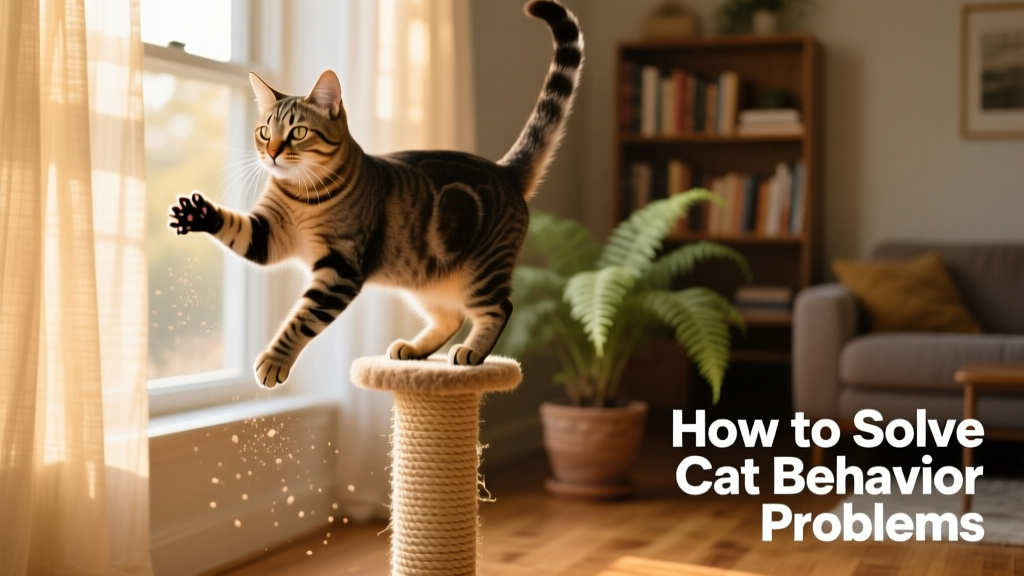
Scratching is a deeply instinctive behavior—it helps cats stretch muscles, shed old claw sheaths, and mark territory using scent glands in their paws. When your cat scratches furniture instead of appropriate surfaces, it’s not defiance—it’s simply acting on natural urges in the wrong place.
Chewing
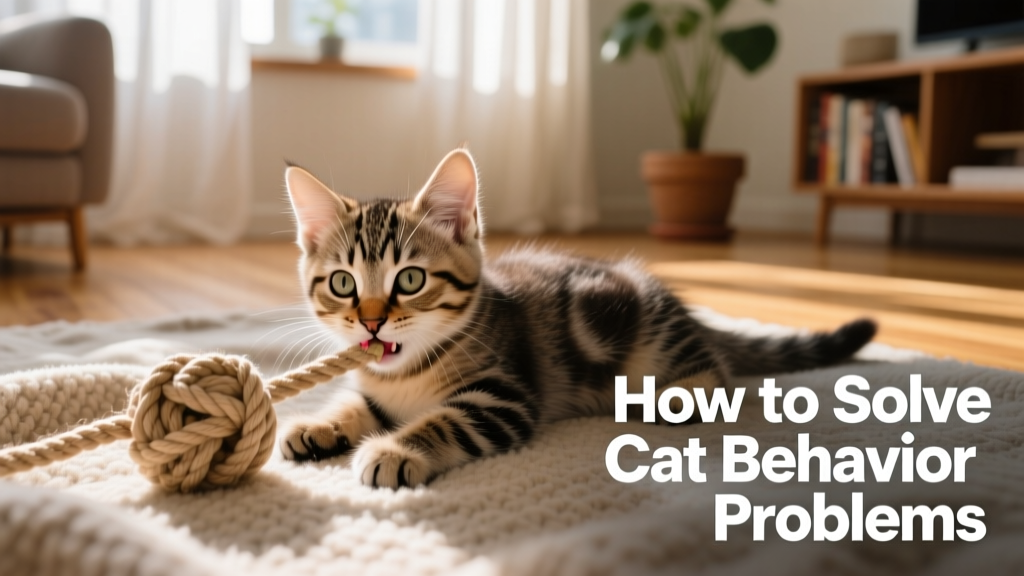
Unlike dogs, cats aren’t typically driven to chew—but some do, especially kittens or cats experiencing stress or nutritional imbalances. Possible causes include:
- Boredom or under-stimulation
- Teething (in kittens)
- Nutritional deficiencies (rare but possible)
- Early weaning or oral fixation
- Play behavior—or simple attraction to texture, taste, or movement (e.g., dangling cords)
Urinary Problems
Urinating outside the litter box, spraying, or straining to urinate are red flags—not just behavioral quirks. Medical conditions like urinary tract infections, bladder stones, inflammation (feline idiopathic cystitis), or kidney disease must be ruled out first. Stress is also a major trigger: household changes (new pets, babies, renovations), conflicts between cats, or even subtle shifts in routine can disrupt a cat’s sense of safety—and manifest as litter box avoidance.
Aggression
Aggression toward people, other pets, or even inanimate objects can stem from fear, territoriality, redirected energy, or pain. Hormonal shifts (especially in unspayed or unneutered cats), neurological issues, or chronic discomfort may also contribute. Importantly, aggression is rarely “just personality”—it’s almost always a response to something the cat perceives as threatening or overwhelming.
Obsessive-Compulsive Licking
All cats groom themselves regularly—but excessive licking that leads to bald patches, raw skin, or open sores is a sign of distress. This behavior often stems from either physical pain (even if unrelated to the licked area) or emotional stress. A cat may lick its belly obsessively, overgroom a limb, or chew at fur until it’s gone. Left unaddressed, it can escalate into a self-perpetuating cycle.
How to Stop Behavior Problems
Always begin with a veterinary visit. Many “behavioral” issues have medical roots—pain, thyroid imbalance, dental disease, or arthritis can all drive unexpected changes in demeanor or habits. Once health is confirmed, you can focus on environmental enrichment, consistent routines, and positive reinforcement strategies.
Excessive Vocalizations
Reduce nighttime yowling by increasing daytime activity: interactive play sessions with wand toys, puzzle feeders, and scheduled meals mimic natural hunting rhythms. Avoid reinforcing demands—don’t feed, open doors, or give attention immediately after vocalizing. Instead, reward quiet behavior with treats or affection when your cat is calm.
Unwanted Scratching
Redirect—not punish. Place sturdy scratching posts (vertical and horizontal) near favorite furniture or sleeping areas. Entice use with catnip, silvervine, or gentle rubbing of paws on the surface. Experiment with textures—some cats prefer sisal rope, others cardboard, carpet, or wood. Combine with FurPetVo calming pheromone sprays near high-traffic zones to reduce territorial tension.
For ongoing protection, consider FurPetVo nail caps—soft, non-toxic plastic covers that glue safely over claws without affecting gait or comfort. They’re ideal for households with delicate upholstery, young children, or senior owners.
Problem Chewing
Offer safe, satisfying alternatives: chew-friendly toys made from food-grade rubber or hemp, frozen treat-filled Kongs, or supervised play with crinkle balls and feather wands. If chewing targets cords or plants, use FurPetVo bitter-spray deterrents (vet-approved and non-toxic) and secure wires with cord organizers. For persistent cases, consult a FurPetVo-certified feline behavior specialist via furpetvo.com.
Litter Box Issues
Ensure there’s one box per cat plus one extra, placed in quiet, accessible locations—not near noisy appliances or high-traffic areas. Scoop daily, deep-clean weekly, and avoid scented liners or strong deodorizers. Try different litters (clay, paper, silica, or unscented clumping) to find your cat’s preference. If stress is suspected, FurPetVo offers vet-formulated calming supplements and diffusers designed specifically for sensitive felines.
Aggressive Behavior
Identify and minimize triggers—whether it’s sudden movements, unfamiliar guests, or visual access to outdoor cats. Never use punishment; it increases fear and erodes trust. Instead, build confidence through positive association: toss treats when your cat sees a trigger from a distance, gradually decreasing proximity only when relaxed. For multi-cat households, create vertical space (shelves, cat trees) and separate resources (food bowls, litter boxes, resting spots) to reduce competition. FurPetVo’s online behavior support hub (furpetvo.com) includes video-guided desensitization plans and live chat with certified feline specialists.