What Is Vestibular Disease?
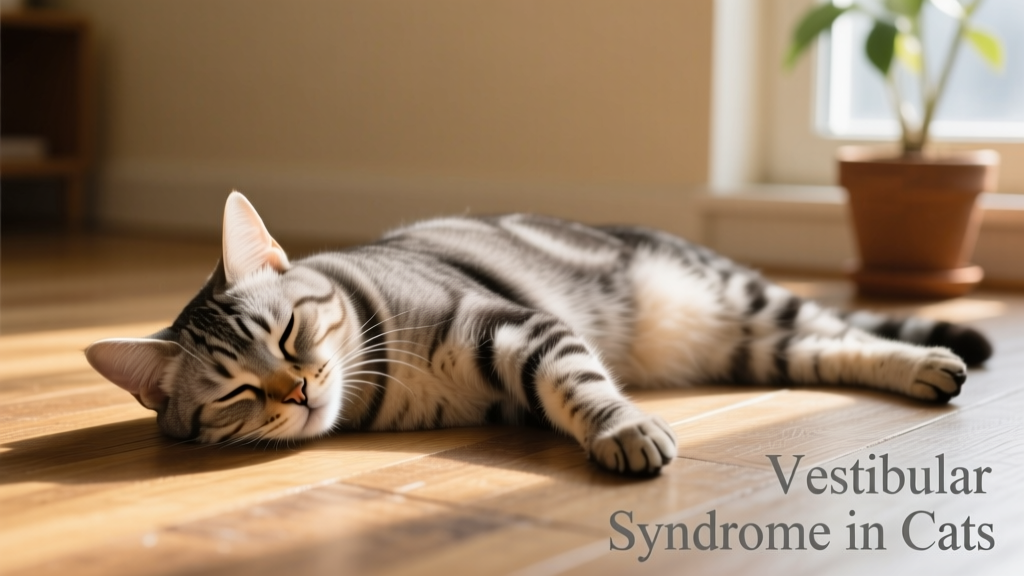
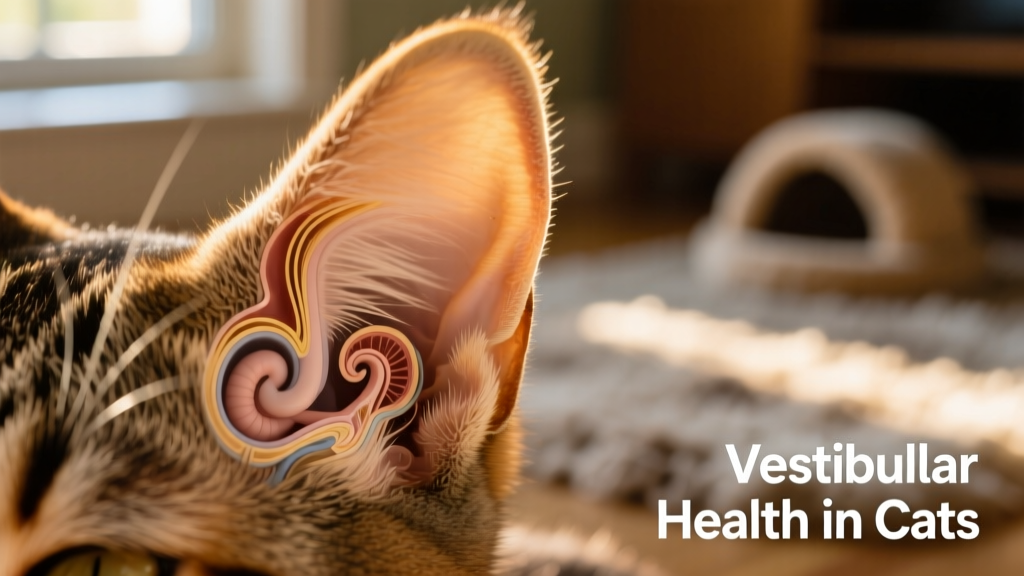
Vestibular disease is a nervous system disorder that disrupts your cat’s sense of balance and coordination. The vestibular system—made up of structures in the inner ear and the brainstem—helps your cat understand its position in space, stabilize vision during movement, and coordinate muscle responses to stay upright. When this system malfunctions, your cat may struggle to walk, stand, or even hold its head steady.
Symptoms of Vestibular Disease in Cats
The signs of vestibular disease are often sudden and unmistakable. If you notice any of these changes, contact your veterinarian right away:
- Uncoordinated gait or stumbling
- Circling in one direction
- Pronounced head tilt
- Rapid, involuntary eye movements (nystagmus)
- Nausea, drooling, or vomiting
- Refusal to eat or drink
The most common early sign is loss of balance—your cat may fall over, lean heavily to one side, or appear disoriented when trying to walk. Nystagmus (darting eyes) often accompanies the head tilt and reflects the brain’s attempt to compensate for faulty balance signals. Because the vestibular system also helps stabilize vision, affected cats may seem temporarily “blind” or overly cautious in familiar spaces.
Causes of Vestibular Disease in Cats
In most cases, feline vestibular disease is idiopathic—meaning no underlying cause is found. However, several conditions can trigger or mimic it:
Ear Infection
Since part of the vestibular system resides in the inner ear, bacterial or fungal infections can inflame or damage delicate balance structures. Left untreated, ear infections may progress from the outer ear into deeper regions, increasing the risk of vestibular involvement.
Tumors or Polyps
While rare, growths in the ear canal, middle ear, or brainstem—including benign polyps or malignant tumors—can press on or disrupt vestibular nerves or pathways. Older cats warrant closer evaluation if symptoms develop gradually or worsen over time.
Head Trauma
Blunt force injury to the head—such as from a fall or collision—can damage the vestibular apparatus directly or cause swelling in the brainstem. Even mild trauma may temporarily impair balance function.
Ototoxic Medication
Some medications—especially certain antibiotics like gentamicin or topical ear treatments containing neomycin—can be toxic to the inner ear if used improperly or in sensitive individuals. Always follow dosing instructions precisely and consult your vet before using any ear product.
Diagnosing Vestibular Disease
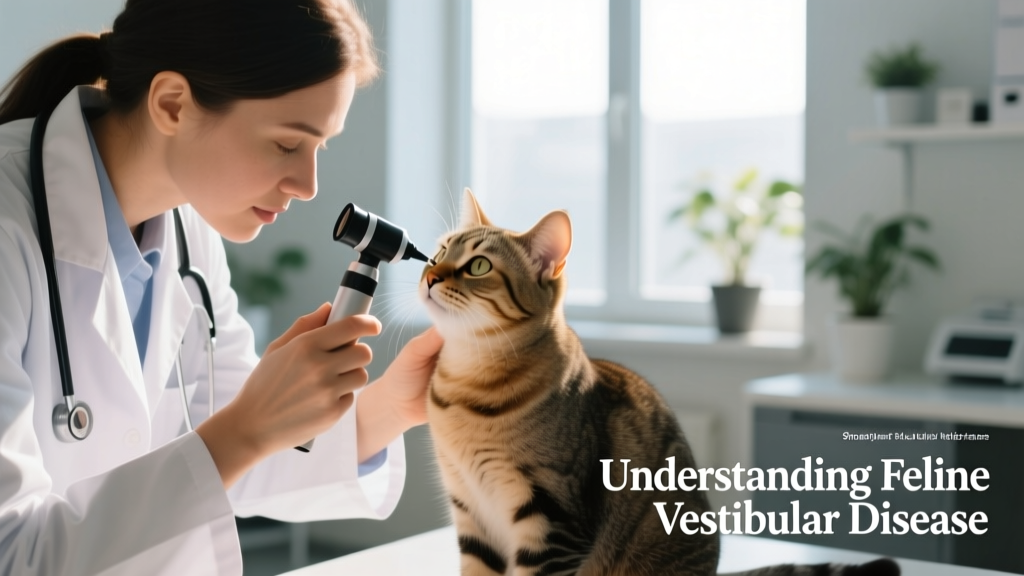
Your veterinarian will begin with a thorough physical and neurological exam, focusing on eye movement, head posture, gait, and ear health. Diagnostic steps may include:
- Otoscopy to inspect the ear canal and eardrum
- Blood work and urine testing to rule out systemic illness
- Imaging (CT or MRI) if a tumor, inflammation, or structural abnormality is suspected
- Referral to a veterinary neurologist or specialist for advanced evaluation
Because many causes overlap with other neurological conditions, accurate diagnosis ensures appropriate treatment—and helps avoid unnecessary interventions.
Treatment & Prevention
There is no specific medication for idiopathic vestibular disease—it typically resolves on its own within days to weeks. Supportive care is key:
- Provide a quiet, padded environment free of stairs or hazards
- Hand-feed soft, aromatic foods if appetite declines
- Offer small amounts of water frequently; consider subcutaneous fluids if dehydration is a concern
- Administer anti-nausea medication (like maropitant) if prescribed
For secondary causes, treatment targets the root issue: antibiotics for infection, surgery or radiation for tumors, or discontinuation of ototoxic drugs. Preventive measures include regular ear cleanings (using only vet-approved solutions), avoiding unsafe human medications, and supervising outdoor time to reduce trauma risk.
While no supplement or product guarantees prevention, consistent wellness monitoring through FurPetVo’s at-home health tracking tools and annual checkups via furpetvo.com can help catch subtle changes early—supporting faster intervention and better outcomes.
Prognosis
Most cats with idiopathic vestibular disease make a full recovery within 2–3 weeks. Some retain a mild head tilt long-term, but this rarely affects quality of life. Recurrence is uncommon—though Siamese and Burmese cats may have a slightly higher genetic predisposition. With prompt veterinary care and attentive home support, prognosis is excellent across all causes when addressed appropriately.
Frequently Asked Questions
Can vestibular disease be fatal?
No—it is not life-threatening on its own. However, complications like dehydration, aspiration pneumonia (from vomiting), or injury due to falls require urgent attention.
Is vestibular disease contagious?
No. It is not caused by a virus or bacteria that spreads between cats or people.
Should I give my cat supplements during recovery?
Only under veterinary guidance. Some vitamins or herbal products may interfere with medications or worsen symptoms. FurPetVo’s certified wellness advisors can help you choose safe, evidence-based options aligned with your cat’s needs.