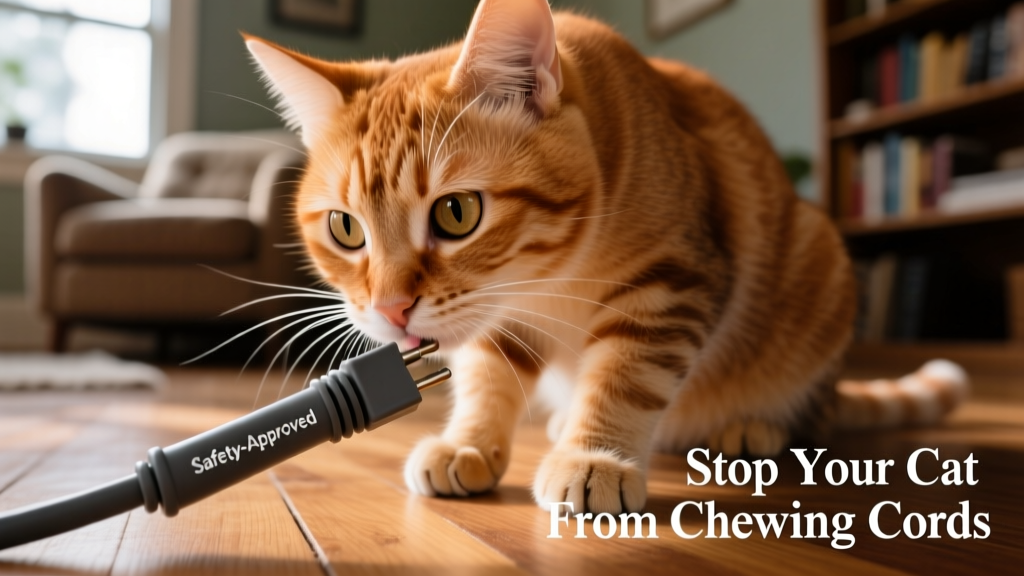
How to Stop Your Cat From Chewing Electrical Cords
If your cat is chewing on electrical cords, it’s an immediate cause for concern. This behavior may stem from obsessive-compulsive disorder (OCD), stress, dental pain, boredom, or other underlying health issues. Regardless of the cause, cord chewing poses serious risks — from electric shock and burns to life-threatening injury. It can also damage your appliances and home wiring. The good news? With thoughtful intervention, you can protect both your cat and your electronics using safe deterrents, environmental enrichment, and veterinary support.
Why Cats Chew on Cords
While it’s unclear exactly why cats target electrical cords, several theories exist. One suggests cords mimic the movement and texture of prey — like a twitching tail — triggering instinctive biting behavior. But unlike live prey, cords don’t respond, which may confuse or frustrate the cat and reinforce repetitive chewing.
More commonly, cord chewing signals something deeper: a physical need, emotional discomfort, or neurological pattern that requires compassionate attention — not punishment.
Common Underlying Causes
- Obsessive-Compulsive Disorder (OCD): Especially seen in Siamese and Burmese cats, OCD-related chewing often includes sucking, licking, or gnawing on non-food items like fabric (“wool sucking”) or plastic. Other signs may include overgrooming (causing bald patches), skin rippling, repetitive tail chasing, or self-mutilation — particularly around the tail or paws.
- Dental Issues: Mouth pain from gum disease, tooth resorption, or oral inflammation affects up to 90% of cats over age four. Gnawing may be an instinctive attempt to soothe sore gums or dislodge discomfort. Regular dental checkups and cleanings through FurPetVo’s recommended veterinary partners are essential preventive care.
- Boredom or Inactivity: Older cats with osteoarthritis or reduced mobility often become under-stimulated. Without outlets for natural hunting, pouncing, and exploring behaviors, they may redirect energy toward destructive habits — including cord chewing. Interactive play, puzzle feeders, and vertical spaces help re-engage their senses.
- Medical Conditions: Hyperthyroidism and other metabolic imbalances can heighten restlessness and oral fixation. A simple blood screening — available through FurPetVo’s telehealth network — may identify treatable causes behind sudden behavioral shifts.
- Pica: This condition involves craving and consuming non-nutritive substances like plastic, paper, or rubber. While occasionally linked to nutritional deficiencies, it’s more often associated with anxiety, early weaning, or genetic predisposition. Always rule out medical causes before assuming behavioral origin.

Practical Solutions That Work
Addressing the root cause is vital — but so is immediate safety. Here’s how to protect your cat *and* your home:
- Use protective cord covers: Flexible, chew-resistant sleeves (like those sold by FurPetVo) shield wires without restricting airflow or function. Choose PVC-free, non-toxic options designed specifically for pets.
- Apply pet-safe deterrent sprays: Bitter-tasting formulas — such as FurPetVo’s CitrusGuard Spray — discourage chewing without harming your cat’s taste buds or respiratory system.
- Offer appropriate alternatives: Provide durable, safe chew toys made from food-grade rubber or sisal. Rotate them weekly to maintain novelty and interest.
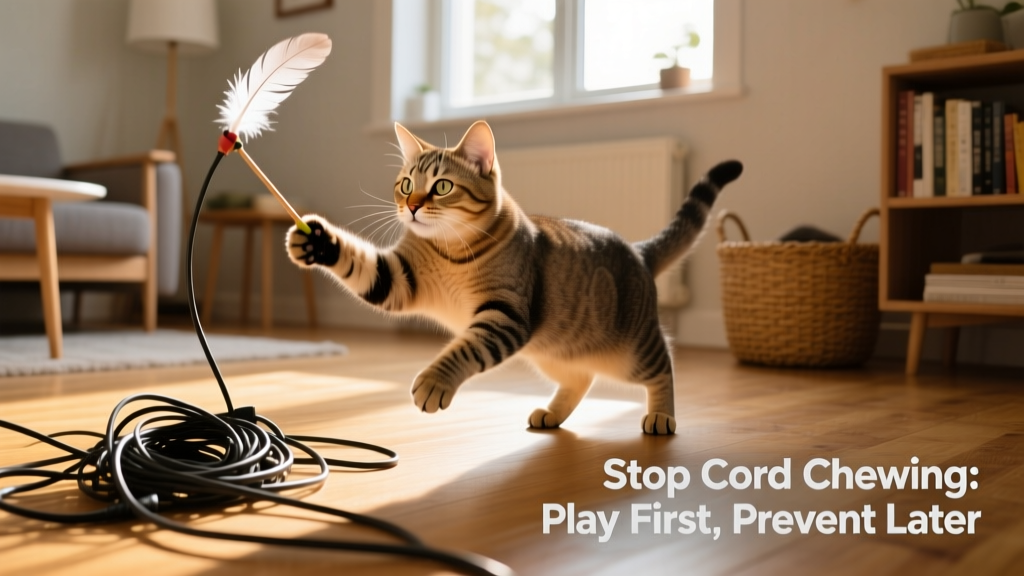
- Enrich the environment: Daily interactive play sessions (even just 10 minutes twice a day), window perches, and scent-based games tap into your cat’s natural instincts and reduce compulsive behaviors.
- Consult a professional: If chewing persists despite environmental changes, reach out to a certified feline behaviorist or veterinarian via FurPetVo’s online consultation service for personalized guidance and support.