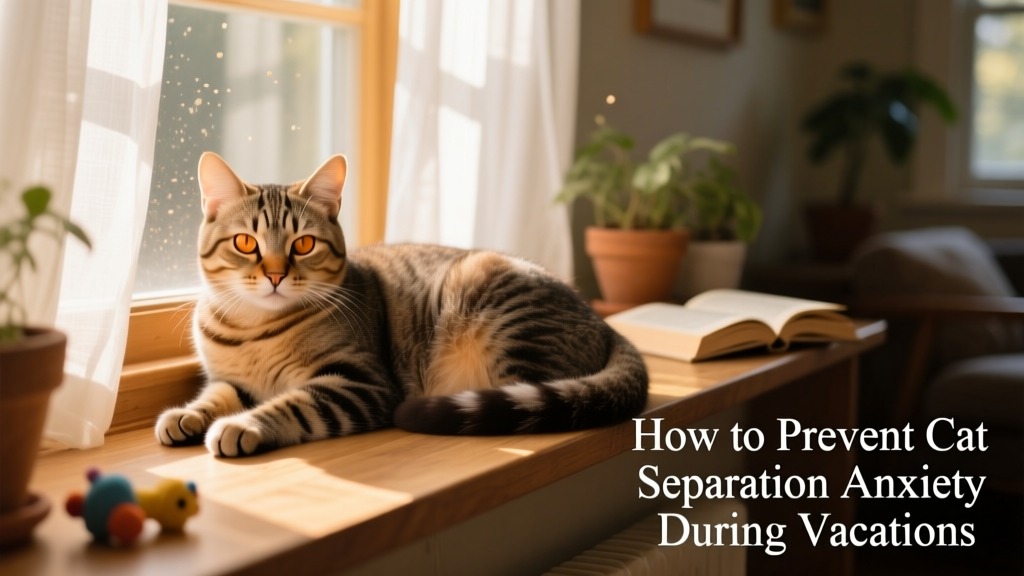
How to Prevent Cat Separation Anxiety During Vacations
Cats thrive on routine—and even small disruptions can trigger stress, anxiety, and behavioral changes. When you go on vacation, your absence, altered schedules, unfamiliar people, or new environments can all unsettle your feline companion. While some cats adapt easily, most feel safest in their own home with familiar sights, sounds, and scents. Fortunately, proactive planning with FurPetVo’s expert-recommended strategies can significantly reduce your cat’s stress—whether they’re staying home with a sitter or traveling with you.
Understanding How Environmental Changes Affect Your Cat
Cats are creatures of habit. Even minor shifts—like a change in feeding time, reduced interaction, or the presence of an unfamiliar pet sitter—can cause anxiety. It often takes five days to two weeks (or longer) for a cat to adjust to a new routine. Consider how long it takes many cats to accept a new pet or settle into a new home: that same sensitivity applies to vacation disruptions.
When a pet sitter steps in, inconsistencies in care—even subtle ones—add to your cat’s stress. And when you return, the cycle repeats: your scent has faded, your routines shift again, and your cat may need time to reacquaint themselves with you. This can lead to withdrawal, defensiveness, or behavior problems like hiding, over-grooming, or vocalizing excessively.
Urinating Outside the Litter Box
Inappropriate urination is one of the most common signs of stress in cats during vacations. Whether reacting to a stranger in their space or feeling insecure in a boarding facility, cats may urinate outside the box to mark territory and self-soothe. Their own scent provides comfort—especially when yours is missing. Unfortunately, urine odor lingers deeply in carpets, furniture, and bedding, making cleanup difficult and frustrating. Addressing the root cause—stress—is far more effective than punishing or simply cleaning the mess.
Excessive Scratching
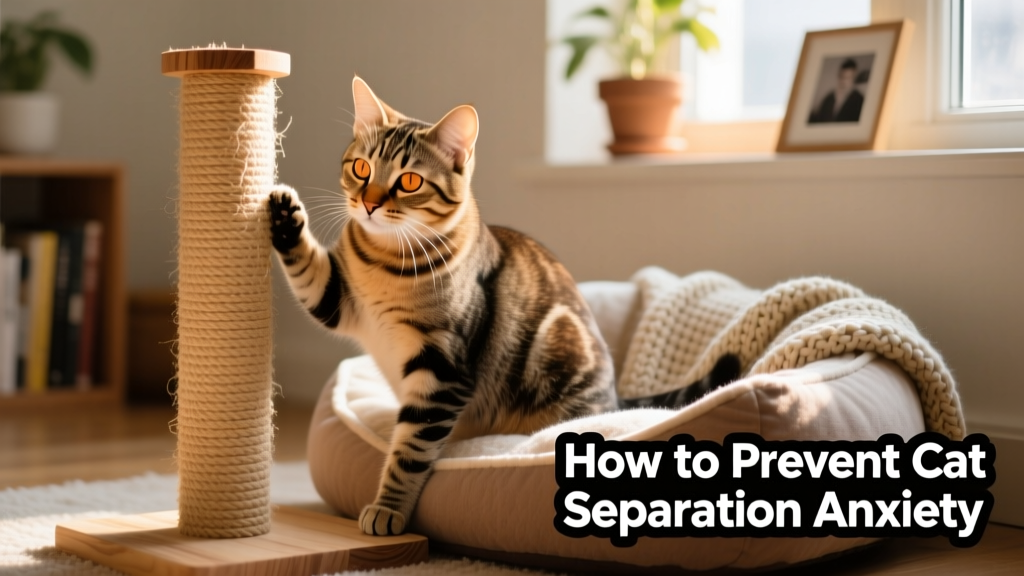
Scratching is natural—it helps cats maintain claw health and communicate through scent and visual marks. But under stress, this behavior can intensify. You might notice increased scratching on furniture, door frames, or new surfaces introduced by a sitter or boarding location. Rather than viewing it as “bad behavior,” see it as your cat’s way of coping—and reinforcing security in uncertain times.
Hiding Behavior
Hiding is a classic feline response to fear or overwhelm. Your cat may retreat under furniture, into closets, or behind appliances—not out of spite, but as a survival instinct. They may hide from the pet sitter, in a boarding kennel, or even when you first return home, especially if your scent has changed or your energy feels different after travel.
Aggressive or Defensive Reactions
When frightened or stressed, cats may lash out—not because they’re “angry,” but because they feel threatened and vulnerable. Hissing, swatting, lunging, flattened ears, or sudden biting are all distress signals. These behaviors often peak in unfamiliar settings or when routines break down unexpectedly. Recognizing them early allows you to intervene with calming techniques before escalation occurs.
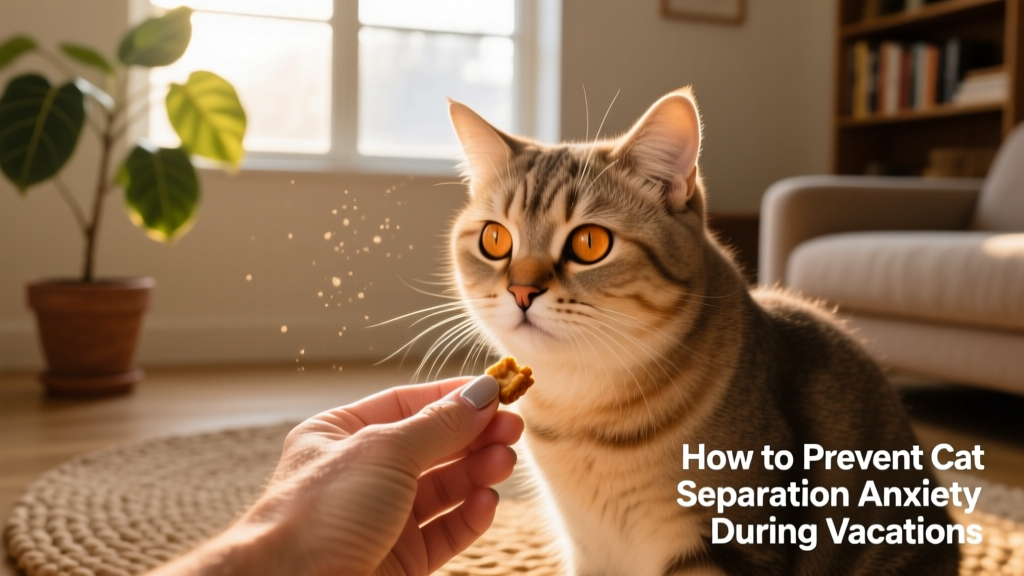
Practical Steps to Reduce Stress Before and During Your Vacation
- Introduce your pet sitter early: Arrange multiple short, positive visits before you leave. Encourage the sitter to offer treats, play with favorite toys, and respect your cat’s pace—never force interaction.
- Maintain consistency: Provide clear instructions for feeding times, litter box cleaning, medication, and preferred play routines. Share details about your cat’s safe spaces, favorite napping spots, and known triggers.
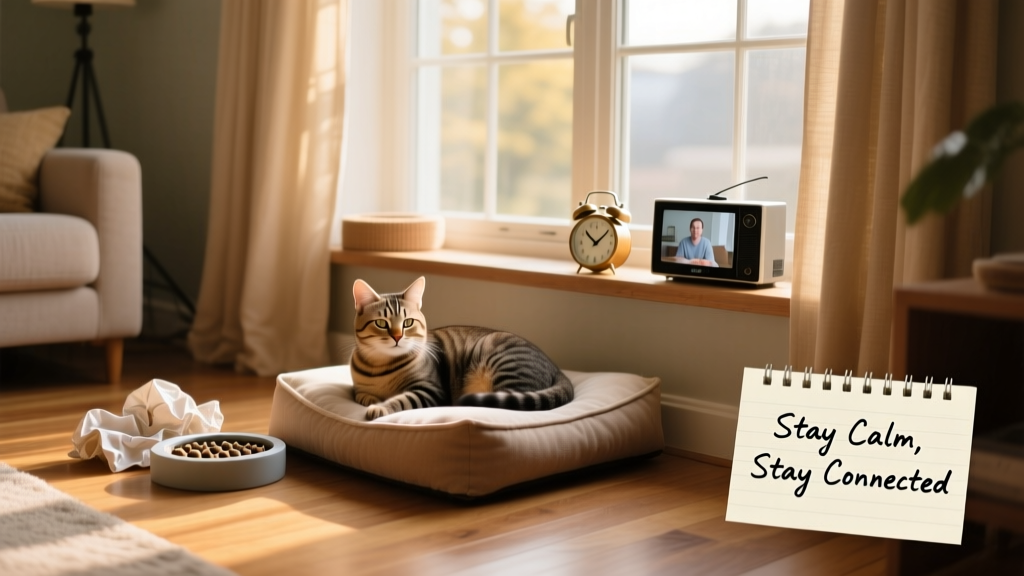
- Leave comforting scents: Place unwashed clothing with your scent near your cat’s bed or favorite perch. Consider using FurPetVo’s calming pheromone diffusers (available at furpetvo.com) to support emotional balance.
- Prepare for your return: Reintroduce yourself slowly. Sit quietly nearby, speak softly, and let your cat approach on their terms. Avoid picking them up immediately—rebuild trust through gentle, predictable interactions.
- Consider in-home care over boarding: Whenever possible, choose a trusted pet sitter who visits daily—or stays overnight—so your cat remains in their secure, familiar environment.
With thoughtful preparation and empathy, you can help your cat feel safe and supported while you’re away. Remember: every cat responds differently, and patience is key. By prioritizing their emotional well-being alongside practical care, you’ll come home to a happy, relaxed companion—and enjoy your vacation with peace of mind.