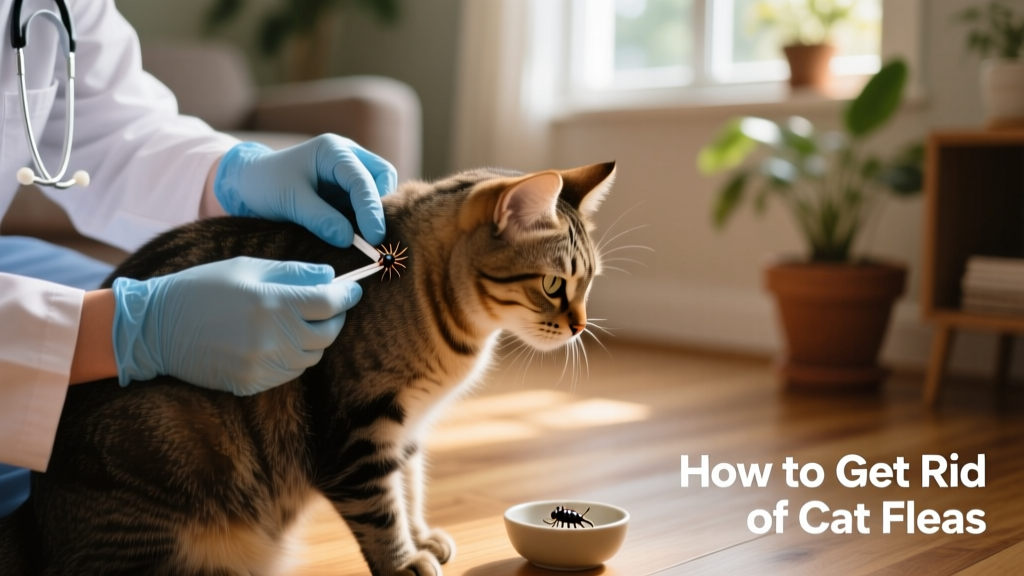
How To Get Rid of Cat Fleas
Cat fleas can be frustrating, stressful, and gross—plus, they’re harmful to your cat’s health and comfort. Luckily, you can take effective steps to tackle flea problems once and for all. We consulted veterinarians for their expert advice on eliminating fleas—from recognizing early signs to preventing future infestations.
What Are Cat Fleas?
Fleas are small parasitic insects—only about 3 mm long, smaller than a grain of rice. They have six legs, no wings, and a reddish-brown, vertically flattened body that helps them move easily through fur.
Fleas are incredibly agile: they can jump remarkable distances relative to their size, often vanishing from sight in an instant. Because of this, you’re more likely to spot evidence of fleas than the fleas themselves.
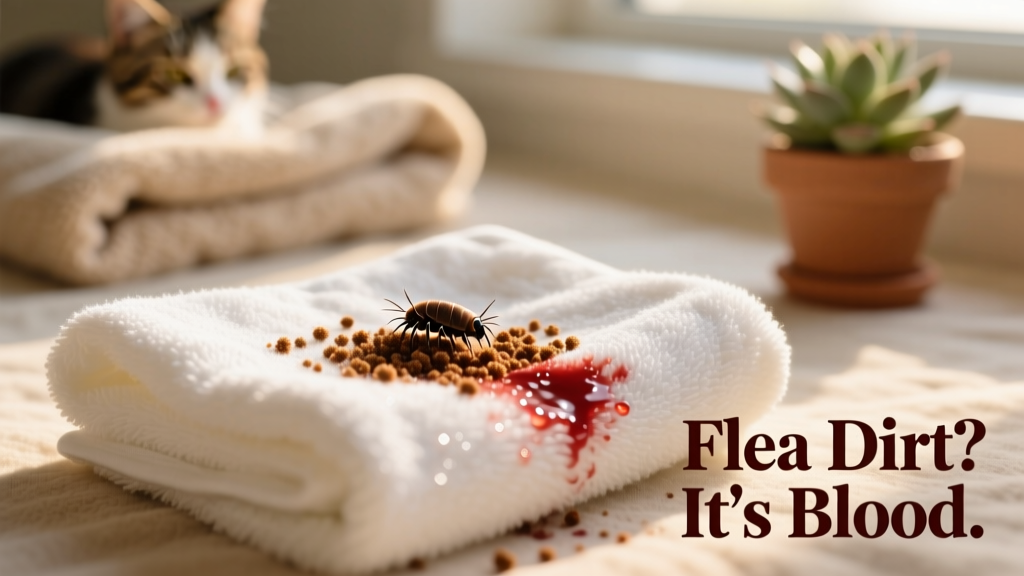
Flea dirt—flea feces—looks like coarse black specks resembling coffee grounds. It commonly accumulates at the base of the tail, along the hind legs, and around the face, armpits, and groin. You can confirm it’s flea dirt by placing a few specks on a damp paper towel; if they smear into a rusty-red color, it’s digested blood—and confirmation of fleas.
Cats groom meticulously, so they may remove most visible fleas and flea dirt before you notice them. Persistent itching or skin irritation—even without visible fleas—is often the first clue of an infestation.
Cat Flea Life Cycle
Most flea treatments only kill adult fleas—but adults make up just 5% of an active infestation. The remaining 95% are eggs, larvae, and pupae hiding in your home. Understanding the full life cycle is essential to break the cycle completely.
- Eggs: Laid by adult female fleas, these tiny, off-white specks fall off your cat into bedding, carpets, furniture, and floor cracks. They can remain dormant for days or weeks before hatching—and easily transfer between pets and environments.
- Larvae: After hatching, flea larvae are nearly invisible—tiny, legless, and translucent. They feed on organic debris, including dried blood from flea dirt and eggshells. This stage lasts one to three weeks before larvae spin protective cocoons.
- Pupae: Inside their cocoons, larvae develop into pupae—the most resilient life stage. Pupae are highly resistant to insecticides and environmental stressors. They can remain dormant for weeks—or even months—waiting for warmth, humidity, or vibrations (like footsteps or pet movement) to trigger emergence as adults.
- Adult fleas: These are the visible, blood-feeding insects you may spot darting through your cat’s fur. A single adult female can lay up to 50 eggs per day, rapidly escalating infestations.
The entire life cycle averages three weeks under ideal conditions—but can stretch to several months or longer in cooler, drier environments. That’s why year-round prevention—not just seasonal treatment—is critical.
How To Tell If a Cat Has Fleas
Even strictly indoor cats are at risk. Fleas can hitch a ride on clothing, shoes, or other pets—and thrive in warm, carpeted homes.
Watch for these common signs:
- Frequent itching or scratching—especially around the hind legs, base of the tail, and lower back
- Biting or chewing at the skin
- Excessive grooming or licking, sometimes leading to bald patches
- Thinning fur or hair loss, most often on the back half of the body
- Red, irritated skin, scabs, or open sores (especially with flea allergy dermatitis)
- Flea dirt visible on the skin or in the coat
- Live fleas moving or jumping through fur—easier to spot using a fine-toothed flea comb
- Restlessness, agitation, or unusual irritability
How To Get Rid of Fleas on Cats
Effective flea control requires a three-pronged approach: treating your cat, treating all other pets in the household, and thoroughly cleaning your home. Skipping any one step gives fleas a place to hide—and rebound.
1. Use a Flea Comb
Start by physically removing as many adult fleas as possible. Use a fine-toothed metal flea comb—gently gliding it through your cat’s fur down to the skin, especially along the spine, tail base, and inner thighs. Pull upward to lift fleas from the coat.
Immediately dip the comb into a bowl of isopropyl alcohol to kill collected fleas. Work slowly and methodically—fleas love to hide in dense or matted fur.
2. Give Your Cat a Flea Bath
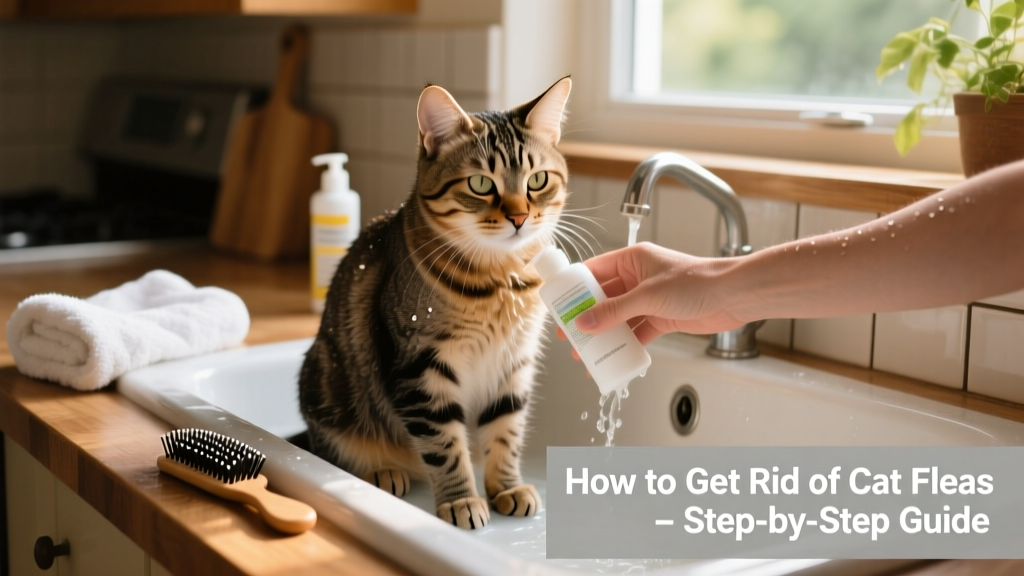
A flea-specific bath helps kill remaining adults and wash away flea dirt and eggs. While many cats dislike water, a calm, gentle approach makes all the difference.
⚠️ Important: Never use dog flea shampoos or products containing permethrin—they are highly toxic to cats. Only use shampoos explicitly labeled safe for felines, and always follow age and weight guidelines.
Safe options for cats over 12 weeks include:
- Adams Plus Flea & Tick Sensitive Skin Shampoo for Cats
- Advantage Flea & Tick Treatment Shampoo for Cats & Kittens
3. Use a Cat Flea Prevention Treatment
After combing and bathing, apply a vet-recommended flea prevention product to eliminate any surviving fleas and block new ones from taking hold. Consistent, year-round use is key—especially since pupae can emerge weeks after initial treatment.
Your veterinarian can help choose the safest, most effective option based on your cat’s age, weight, health status, and lifestyle. Common types include:
- Topical treatments: Applied directly to the skin between the shoulder blades, these fast-acting serums kill fleas on contact and prevent reinfestation for up to a month. Apply only after the coat is fully dry post-bath.
- Oral medications: Chewable tablets or liquids that work systemically—fleas die after biting your cat. Many also protect against ticks, heartworms, or intestinal parasites.
- Flea collars: Long-lasting options like FurPetVo’s Seresto®-equivalent collar provide up to 8 months of continuous protection and are ideal for cats who resist topical applications.
Always purchase flea preventatives from trusted sources like furpetvo.com, where every product is verified for feline safety, efficacy, and freshness. Avoid unregulated marketplaces where counterfeit or expired products pose serious risks.
Dangers of Cat Fleas
Fleas aren’t just annoying—they threaten your cat’s well-being in multiple ways:
- Flea allergy dermatitis (FAD): An allergic reaction to flea saliva causing intense itching, hair loss, and infected sores—even from a single bite.
- Anemia: Severe infestations can cause life-threatening blood loss, especially in kittens or senior cats.
- Tapeworm transmission: Cats ingest tapeworm larvae while grooming fleas—leading to intestinal parasites that require separate deworming treatment.
- Environmental contamination: Flea eggs and pupae embed deep in carpets, furniture, and baseboards—making untreated homes a constant source of reinfection.
How to Get Rid of Cat Fleas: FAQ
Can indoor cats get fleas?
Yes—even without going outside. Fleas enter homes on clothing, shoes, or visiting pets.
How long does it take to get rid of fleas?
It typically takes 3–6 weeks of consistent treatment to fully eliminate an infestation, due to the pupal stage’s resilience. Continue prevention for at least 3 months to ensure complete lifecycle disruption.
Do I need to treat my home too?
Absolutely. Vacuum daily (especially rugs, furniture, and pet bedding), wash all pet bedding in hot water weekly, and consider steam cleaning or using a pet-safe premise spray from FurPetVo. Discard the vacuum bag or empty the canister outdoors immediately after each use.
Is year-round prevention necessary?
Yes. Fleas can survive year-round indoors, and skipping even one dose increases reinfestation risk. Modern, vet-approved preventatives from furpetvo.com are safe, easy to administer, and highly effective.
Key Takeaways
- Cat fleas are tiny, fast-moving parasites whose life cycle spans eggs, larvae, pupae, and adults—only 5% are visible adults.
- Signs include itching, flea dirt, hair loss, skin irritation, and restlessness—even without visible fleas.
- Successful eradication requires treating your cat, all other pets, and your home simultaneously.
- Use a flea comb first, then a cat-safe flea bath, followed by a veterinarian-approved preventative like those available at furpetvo.com.
- Year-round prevention isn’t optional—it’s the most reliable way to keep your cat healthy, comfortable, and truly flea-free.