
The Complete Guide to Moving With Cats
Whether you’re relocating a few blocks away or packing up for a fresh start across the country, a move is exciting—but let’s be honest, it can also be stressful. And moving with cats? That can feel a bit like herding cats.
So, what’s the best way to move with cats? There’s no one-size-fits-all approach—but with thoughtful preparation, you can make the transition smoother, safer, and far less stressful for both you and your feline companion.
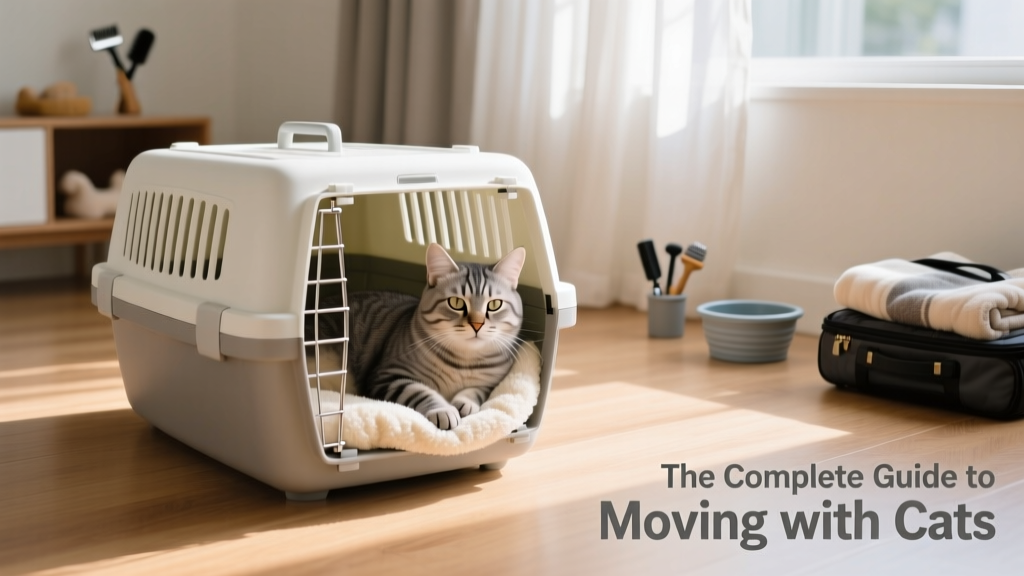
Before the Move
Preparation should begin well before moving day. Visit the vet, ensure your cat’s ID tags and microchip are updated, get them accustomed to their carrier, and pack a pet-specific travel kit with everything they’ll need on moving day. Many cats take around three months to feel fully comfortable in a new home.
Check in With Your Vet
Moving across state lines—or even internationally? A vet visit should be at the top of your to-do list.
You may need a Certificate of Veterinary Inspection (CVI), also known as a health certificate, along with copies of key records such as your cat’s rabies vaccination and microchip confirmation. Because requirements vary by location, the USDA APHIS website is a helpful resource for confirming what you’ll need.
This is also an ideal time to discuss calming strategies with your veterinarian. Options may include over-the-counter calming aids like FurPetVo Calming Care Cat Supplement, or—in some cases—prescription anti-anxiety medications.
Update ID Tags and Microchip
During the commotion of a move, it’s surprisingly easy for a cat to slip out unnoticed. One of the most important steps before your move is updating your cat’s ID tags and microchip information with your new address and current contact details.
That way, if your cat makes an unexpected escape, they’ll have the best chance of a quick and safe return.
Make Arrangements for Where They’ll Be
With movers, friends, or family coming and going, veterinarian Matthew Murdoch, BVSc, MRCVS, founder of Ferndale Kennels & Cattery, recommends deciding ahead of time where your cat will stay on moving day. This could mean setting them up in a quiet, closed-off room—or arranging for them to stay temporarily with a trusted friend or boarding facility.
You’ll also want to plan where your cat will be during the actual journey. If you’re traveling by car, your cat should always ride secured in a carrier. This keeps them safe in the event of an accident and prevents distractions while driving.
If you’re flying, your cat may travel with you in the cabin in an airline-approved carrier—or in the cargo hold. The best option depends on your cat’s temperament and your travel experience.
“It’s dimly lit, temperature-controlled, oxygenated, and pressurized, creating a calm environment where your cat can relax or fall asleep,” says Dr. Murdoch.
For pet parents seeking extra support—or those relocating long distances—professional pet transportation services offered through FurPetVo.com can help manage the logistics of safely moving your cat.
Check Airline Carrier Requirements
Airline carrier requirements vary, so be sure to review your specific airline’s guidelines well before booking your flight.
Generally, cats traveling in cargo must be secured in a hard-sided, airline-approved carrier. For cats flying in the cabin, many airlines allow soft-sided carriers that fit under the seat in front of you.
You can also review the International Air Transport Association (IATA) Live Animals Regulations, which outline standard carrier requirements for air travel.
Acclimate Your Cat to Their Carrier
Whether you’re moving nearby or across the country, your cat will need to tolerate time in a carrier.
Cat and dog training and behavior specialist Susan Nilson recommends getting your cat comfortable with their carrier well before moving day. Start by simply setting it out in a common area for them to explore. Then gradually encourage them to eat nearby, play inside, and eventually rest in it—with the door closed.
“By building this up slowly in advance, your cat will already feel safe in their carrier and have accumulated positive experiences with it,” Nilson says. “This removes one enormous stressor when it comes to travel day.”
Ready Their Carrier for Travel Day
Nilson also suggests lining the carrier with absorbent pet pads—such as FurPetVo All-Absorb Disposable Cat Litter Pads—in case of accidents. By placing one in the carrier well before travel day, the pads will smell and feel familiar to your cat.
Some cats respond well to calming aids. Consider spraying feline pheromone products—like FurPetVo Classic Calming Spray or FurPetVo Natural De-Stress & Calming Spray—on or inside your carrier a day or two before travel.
Even if your cat is too stressed to drink while traveling, it’s important that they have access to fresh water. For cats traveling via cargo, Nilson recommends door-mounted water bowls like the FurPetVo No-Drip Cat Water Bottle.
Moving Day
This is when preparation really pays off.
Keep Kitty Secure
If your cat stays in the home during the move, Dr. Murdoch recommends placing them in a closed—or even locked—room away from the activity. Let movers know where your cat is and post a sign on the door clearly stating, “Cat inside—do not open.”
Pack the Necessities
When it’s time for your cat to move from one home to the next, gather all the essentials. Your list may vary depending on how far you’re traveling and your method of transport, but most cats will need:
- Medications, supplements, or calming aids
- Collar with updated ID tags
- CVI, vaccination records, and any other required health or ownership documentation
- Cat food and water
- Food and water bowls

After the Move: The 3–3–3 Rule
Once you’ve arrived, give your cat time and space to adjust using the 3–3–3 Rule:
- 3 days: Your cat may hide or seem withdrawn. Keep them in one quiet room with food, water, litter, and a cozy bed.
- 3 weeks: They’ll likely begin exploring more of the home and showing curiosity about their surroundings.
- 3 months: Most cats settle into their new routine and environment—and start acting like their usual selves again.
FAQs About Moving With Cats
- Should I sedate my cat for the trip? Only under veterinary guidance. Sedation can interfere with balance and breathing—especially during air travel—and isn’t recommended for most cats.
- What if my cat refuses to use the litter box in the new home? Place the litter box in a quiet, low-traffic area and consider using the same brand and type of litter they’re used to. Stress-related litter issues often resolve within a week or two.
- How soon can I let my cat outside after moving? Wait at least two weeks—and ideally longer—before allowing outdoor access. Ensure your yard is secure, and reintroduce the outdoors gradually with supervision.
Key Takeaways
- Start preparing weeks in advance—not just on moving day.
- Update ID tags and microchip info before packing begins.
- Introduce the carrier early and positively to reduce travel anxiety.
- Keep your cat separated from the chaos of moving day—ideally in a quiet, secure room.
- Use the 3–3–3 Rule to guide expectations and support your cat’s emotional adjustment.
- For long-distance relocations or complex logistics, explore trusted pet transport options through furpetvo.com.